

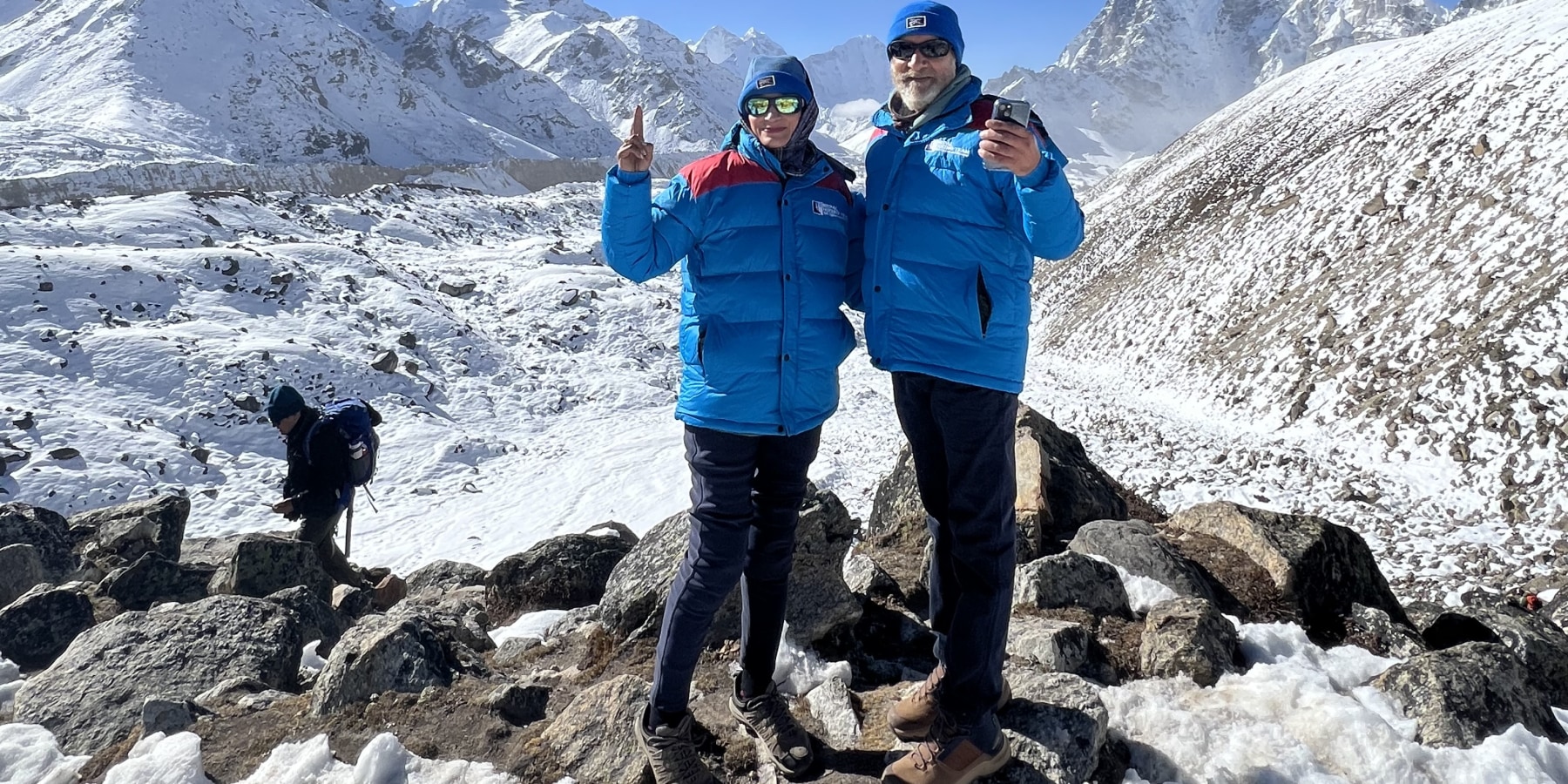

Everest Base Camp: A Guide’s Local Tips for a Safe Trek
The Everest Base Camp trek is one of the most memorable journeys in Nepal. For many travelers, reaching the base of Mount Everest is a lifelong dream. But the trek is not only about standing at Everest Base Camp. It is about the entire journey—the mountain views, Sherpa villages, Buddhist monasteries, suspension bridges, forests, rivers, and the people you meet along the way.
As a trekking guide in Nepal since 2011, I have had the opportunity to guide many travelers through the Himalayas. I started my mountain career as a porter before becoming a licensed trekking guide. These experiences have taught me that a successful trek is not only about walking. It is also about preparation, patience, respect, and understanding the mountains.
The Journey Begins in the Khumbu
For most travelers, the Everest Base Camp journey begins with a flight toward the Everest region and continues on foot through the Khumbu.
The trail passes through beautiful places such as Phakding, Namche Bazaar, Tengboche, Dingboche, Lobuche, and Gorak Shep before reaching Everest Base Camp.
Every village has something different to offer. Namche Bazaar is an important trading and resting town. Tengboche is famous for its monastery and spectacular mountain scenery. As you walk higher, the landscape gradually changes from green forests to rocky Himalayan terrain.
One of the most beautiful parts of the trek is seeing mountains such as Ama Dablam, Thamserku, Lhotse, Nuptse, and Everest appearing along the trail.
Take Acclimatization Seriously
One of my most important recommendations is simple: do not rush the trek.
Altitude is one of the biggest challenges on the Everest Base Camp route. Your body needs time to adjust as you gain elevation.
Acclimatization days are not rest days in the normal sense. They are opportunities to hike higher, explore the surrounding area, and then return to sleep at a lower elevation.
In my experience, walking slowly and listening to your body is much more important than trying to walk fast.
If you have a headache, feel unusually weak, have difficulty breathing, or experience other symptoms of altitude sickness, tell your guide immediately. Never try to hide symptoms just because you want to continue.
Walk Slowly and Enjoy the Trail
Many trekkers make the mistake of thinking that walking fast means they are strong. In the mountains, this is not always true.
A slow and steady pace helps you save energy and enjoy the surroundings. Take short breaks, drink enough water, and eat regularly.
You will see many interesting things along the trail—local people carrying supplies, yaks and other animals, prayer wheels, mani stones, colorful prayer flags, traditional houses, and beautiful mountain landscapes.
Sometimes the best memories come from simply stopping for a few minutes and looking around.
Respect Local Culture
The Everest region is home to the Sherpa community and has a rich Buddhist culture.
You will see monasteries, prayer wheels, prayer flags, mani walls, and other important cultural sites. Please treat these places with respect.
When entering a monastery or visiting a local village, follow local customs and listen to your guide’s advice. Ask before taking photographs of people, especially during religious ceremonies.
A trek becomes much more meaningful when you take time to understand the culture, not only the mountains.
Prepare for Changing Weather
Mountain weather can change quickly.
A morning can be clear and sunny, while clouds, wind, or snow may arrive later in the day. This is why I always recommend carrying suitable layers and keeping important items protected from rain or snow.
Good trekking shoes, warm layers, a waterproof jacket, gloves, a hat, sunglasses, sunscreen, a water bottle, and a comfortable backpack are important.
You do not need to carry everything yourself. Pack wisely and keep your backpack as light as possible.
Your Guide Can Make a Difference
A good guide does more than show you the way.
A guide can help you understand the trail, local culture, weather conditions, altitude, accommodation, food, and daily walking plan. More importantly, an experienced guide can recognize when a traveler may be struggling with altitude or exhaustion.
After many years in the mountains, I have learned that every traveler is different. Some people walk quickly, while others need more time. My goal as a guide is to help travelers enjoy the journey at a comfortable pace while keeping safety as the priority.
The Best Part Is Not Only Reaching Base Camp
Finally, remember that Everest Base Camp is only one part of the journey.
The sunrise over the mountains, walking through the forests, crossing suspension bridges, sharing tea in a mountain lodge, meeting local people, and seeing Ama Dablam in clear weather can become just as memorable as reaching Base Camp.
The mountains teach us patience. They remind us to walk one step at a time.
If you are planning an Everest Base Camp trek, prepare well, respect the mountains, take your time, and enjoy every step of the journey.
I would be happy to share my local knowledge and experience with travelers who want to explore the Everest region in a safe, comfortable, and meaningful way.