


Gaya and Bodh Gaya are two of India’s most important spiritual destinations. Although they are located only a short drive apart, they offer two distinct experiences. Gaya is one of Hinduism’s most sacred pilgrimage centres, while Bodh Gaya is revered worldwide as the place where Gautama Buddha attained enlightenment. Together, they make an enriching destination for pilgrims, history lovers and international travellers.
Mahabodhi Temple and the Sacred Bodhi Tree
The UNESCO World Heritage-listed Mahabodhi Temple is the spiritual heart of Bodh Gaya. The temple complex marks the place where Prince Siddhartha meditated and attained enlightenment more than 2,500 years ago.
Inside the complex, visitors can see the magnificent Mahabodhi Temple, the sacred Bodhi Tree, Vajrasana or Diamond Throne, Animesh Lochana Chaitya, Mucalinda Lake and several ancient meditation sites. Early morning and evening are especially peaceful times to visit. Visitors should dress respectfully, maintain silence and follow the security and photography instructions displayed at the entrance.
International Monasteries in Bodh Gaya
Bodh Gaya is home to monasteries established by Buddhist communities from Thailand, Japan, Bhutan, Tibet, Myanmar, Vietnam and several other countries. Each monastery presents a different architectural style and spiritual tradition.
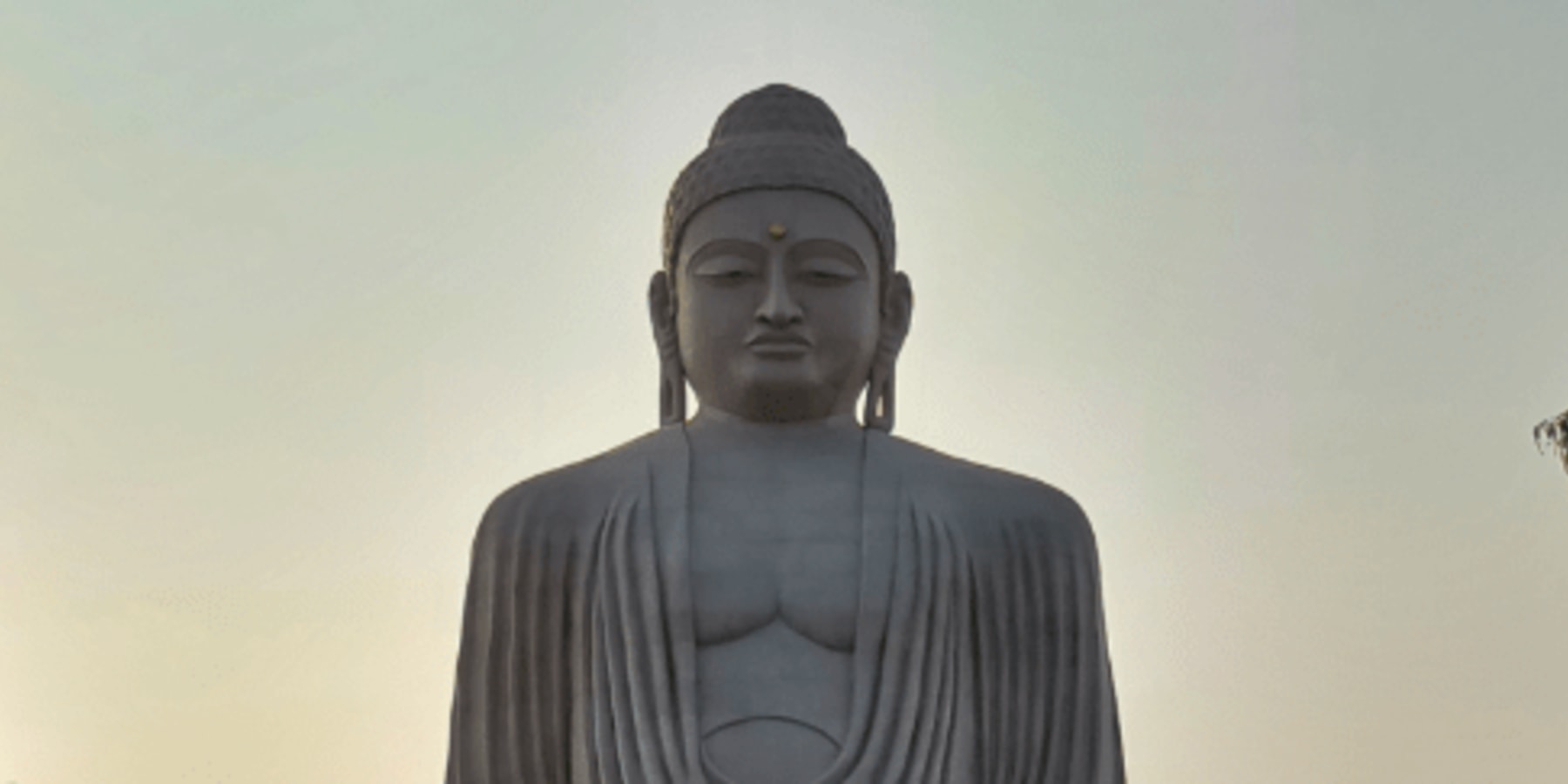
The Great Buddha Statue, Royal Bhutan Monastery, Thai Monastery, Japanese Temple, Tibetan monasteries and Archaeological Museum are among the most popular attractions. As monasteries may follow different opening hours, travellers should check locally before visiting.
Vishnupad Temple and the Spiritual Heritage of Gaya
Vishnupad Temple is the principal pilgrimage site in Gaya. The temple is dedicated to Lord Vishnu and is associated with a sacred footprint believed to be that of the deity. The nearby Falgu River, Devghat and Akshay Vat are also important religious locations.
Gaya is particularly known for Pind Daan, a Hindu ritual performed in memory of departed ancestors. Families visiting for this purpose should make arrangements with a trusted priest in advance, particularly during Pitru Paksha, when the city receives a very large number of pilgrims. Entry rules at certain religious sites should always be respected.
How Many Days Are Required?
Two days are generally sufficient for the main attractions of Gaya and Bodh Gaya. One day can be devoted to the Mahabodhi Temple, monasteries and other sites in Bodh Gaya. The second day can cover Vishnupad Temple and the important spiritual locations of Gaya.
Travellers with an additional day may visit Rajgir and Nalanda. Rajgir is known for Vishwa Shanti Stupa, Venu Van and its ancient Buddhist and Jain heritage. Nalanda is famous for the archaeological remains of the ancient Nalanda Mahavihara, another UNESCO World Heritage Site.
Best Time to Visit
October to March offers the most comfortable weather for sightseeing. December and January can be cold during the early morning and evening, so warm clothing is advisable. The summer months are generally hot, while the monsoon season brings humidity and occasional heavy rain.
Bodh Gaya becomes especially busy during major Buddhist events, and Gaya experiences heavy pilgrimage traffic during Pitru Paksha. Hotels and transportation should be reserved well in advance during these periods.
Getting Around
Gaya Junction is the main railway station, while Gaya International Airport serves selected domestic and international flights. Patna Airport is another important arrival point, approximately several hours away by road depending on traffic.
Gaya and Bodh Gaya are around 15 kilometres apart. Local taxis are convenient for families, senior citizens and travellers covering several attractions in one day. Visitors should confirm the itinerary, vehicle type, total charges and any parking or toll expenses before beginning their journey.
Practical Local Tips
Carry a valid photo identity document, drinking water and comfortable footwear. Shoes must be removed before entering temples and monasteries. Modest clothing is recommended at all religious sites. Avoid engaging with unauthorised intermediaries, and confirm temple timings because they may change during festivals, ceremonies or security arrangements.
A journey through Gaya and Bodh Gaya is much more than ordinary sightseeing. It offers visitors an opportunity to experience living traditions, ancient history and the peaceful spiritual character of Bihar.