

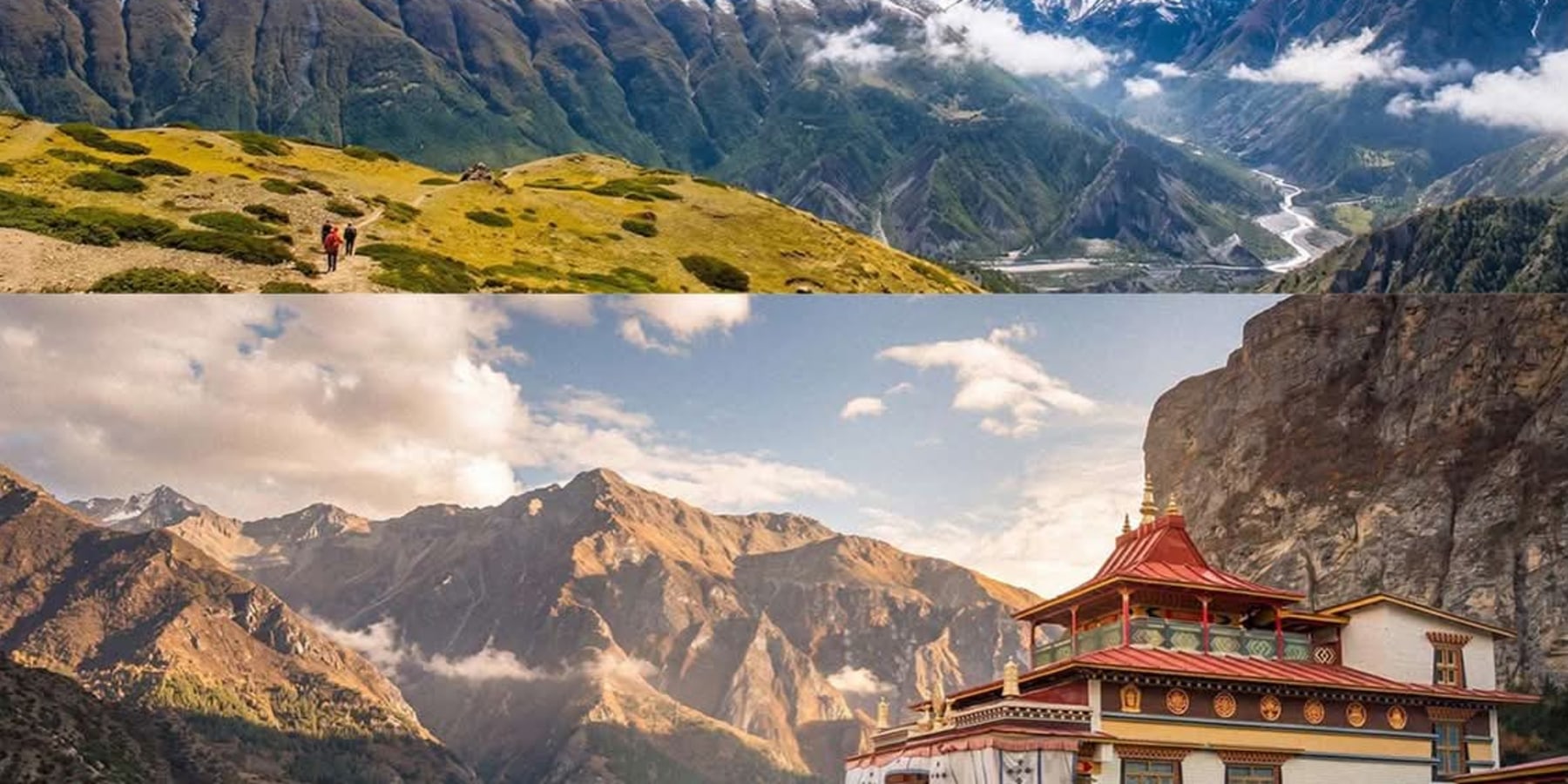

Nepal is home to eight of the world's fourteen highest mountains and offers some of the most spectacular trekking routes on Earth. From the legendary Everest Base Camp Trek to the peaceful Langtang Valley and the remote Manaslu Circuit, Nepal has an adventure for every type of traveler.
As a local trekking company based in Kathmandu, we have welcomed trekkers from around the world and have seen firsthand how the Himalayas leave a lasting impression. Whether you are planning your first trek or returning for another adventure, this guide will help you choose the right trek and prepare for your journey in 2026.
Why Trek in Nepal?
Nepal is one of the few places where you can walk through ancient villages, cross suspension bridges, visit Buddhist monasteries, and stand beneath some of the highest mountains in the world—all in one trip.
Reasons to trek in Nepal include:
Incredible Himalayan mountain views
Rich Sherpa and local mountain cultures
Friendly hospitality
Diverse trekking routes for every fitness level
Affordable adventure compared to many other mountain destinations
Well-established teahouse trekking system
Every trail offers a different experience, making Nepal a destination many travelers return to again and again.
Best Treks in Nepal
1. Everest Base Camp Trek
One of the world's most famous trekking adventures.
Duration: 12 Days
Maximum Altitude: 5,545 m (Kala Patthar)
Difficulty: Moderate to Challenging
Best For: First-time Everest visitors and adventure lovers.
Highlights include:
Lukla flight
Namche Bazaar
Tengboche Monastery
Everest Base Camp
Kala Patthar sunrise
2. Annapurna Base Camp Trek
A beautiful journey through forests, villages, waterfalls, and the Annapurna Sanctuary.
Duration: 8 Days
Maximum Altitude: 4,130 m
Difficulty: Moderate
Perfect for travelers wanting mountain scenery without spending two weeks trekking.
3. Annapurna Circuit Trek
One of the world's classic long-distance treks.
Duration: 12 Days
Highest Point: Thorong La Pass (5,416 m)
Highlights include:
Manang
Thorong La Pass
Muktinath Temple
Beautiful Himalayan landscapes
4. Manaslu Circuit Trek
Ideal for travelers looking for fewer crowds and authentic Himalayan culture.
Duration: 12 Days
Highest Point: Larke Pass (5,106 m)
Highlights include:
Remote villages
Tibetan Buddhist culture
Stunning mountain scenery
Peaceful trekking trails
5. Langtang Valley Trek
A shorter trek close to Kathmandu with beautiful mountain scenery and Tamang culture.
Duration: 7–9 Days
Perfect for those with limited time.
6. Mardi Himal Trek
A hidden gem offering spectacular views of Machhapuchhre (Fishtail) and Annapurna South.
Duration: 5–7 Days
Suitable for beginners and photographers.
Best Time for Trekking in Nepal
Spring (March–May)
Spring is one of the most popular trekking seasons.
Advantages:
Rhododendron forests in bloom
Pleasant temperatures
Excellent mountain views
Autumn (September–November)
Autumn is widely considered the best trekking season.
Benefits:
Crystal-clear skies
Stable weather
Comfortable temperatures
Excellent visibility
Major festivals such as Dashain and Tihar
Winter (December–February)
Suitable for lower-altitude treks with fewer crowds. High mountain passes may be affected by snow.
Monsoon (June–August)
Lush landscapes and fewer trekkers, but expect rain and leeches in many regions. Upper Mustang and Dolpo remain excellent choices during this season.
How Much Does Trekking in Nepal Cost?
Costs vary depending on the trek, duration, accommodation, transportation, and services included.
Generally, trekking packages include:
Licensed guide
Accommodation during the trek
Domestic transportation or flights
Necessary permits
Some meals (depending on the package)
Additional expenses may include:
International flights
Nepal visa
Travel insurance
Personal equipment
Drinks and snacks
Tips for guides and porters
Choosing a reputable local trekking company helps ensure transparent pricing and quality service.
Do You Need a Guide?
Many trekking regions now require licensed guides or strongly recommend them for safety and navigation.
A professional local guide can:
Handle permits and logistics
Monitor altitude-related health
Share local culture and history
Assist during emergencies
Make your trek more enjoyable and worry-free
Essential Packing List
Don't forget:
Trekking boots
Down jacket
Sleeping bag
Waterproof jacket
Trekking poles
Warm gloves
Sunglasses
Sunscreen
Water bottle
Headlamp
Personal medication
Power bank
Pack light but be prepared for changing mountain weather.
Fitness for Trekking
Most popular treks do not require climbing experience.
To prepare:
Walk regularly
Hike with a backpack
Improve your cardio fitness
Practice climbing stairs
Stay hydrated
Walking at your own pace is the secret to enjoying the Himalayas.
Permits
Most trekking regions require permits.
Depending on your destination, you may need:
TIMS Card (where applicable)
National Park Permit
Conservation Area Permit
Restricted Area Permit (for places like Manaslu and Upper Mustang)
Your trekking agency can arrange these permits before your trip.
Responsible Trekking
Help preserve Nepal's beautiful mountains by:
Carrying reusable water bottles
Avoiding plastic waste
Respecting local customs
Supporting local businesses
Staying on marked trails
Following your guide's instructions
Responsible tourism protects both nature and local communities.
Why Choose Nepal Boundary Trekking?
At Nepal Boundary Trekking, we believe every traveler deserves a safe, enjoyable, and authentic Himalayan experience. Our experienced local team provides personalized service, carefully planned itineraries, and knowledgeable guides who are passionate about sharing Nepal's mountains, culture, and traditions.
Whether you dream of reaching Everest Base Camp, crossing the Thorong La Pass, exploring the remote Manaslu region, or discovering hidden trails, we are committed to making your journey memorable from beginning to end.
Final Thoughts
Trekking in Nepal is more than just a holiday—it is an unforgettable journey through some of the most spectacular landscapes on Earth. Every trail offers breathtaking mountain views, welcoming local communities, and experiences that stay with you long after the trek ends.
If 2026 is the year you finally explore the Himalayas, start planning early, choose the trek that matches your interests and fitness level, and travel with experienced local professionals who understand the mountains.
We look forward to welcoming you to Nepal and helping you experience the adventure of a lifetime.