


Combining a wildlife safari with a beach holiday is one of East Africa’s greatest travel advantages. In a single trip, you can watch lions at sunrise and relax by the Indian Ocean a few days later. Yet, despite its popularity, many travelers end up disappointed—not because the destination isn’t spectacular, but because the trip is poorly planned.
Based on years of on-the-ground experience, here are the most common mistakes travelers make when combining safari and beach in East Africa—and how to avoid them.
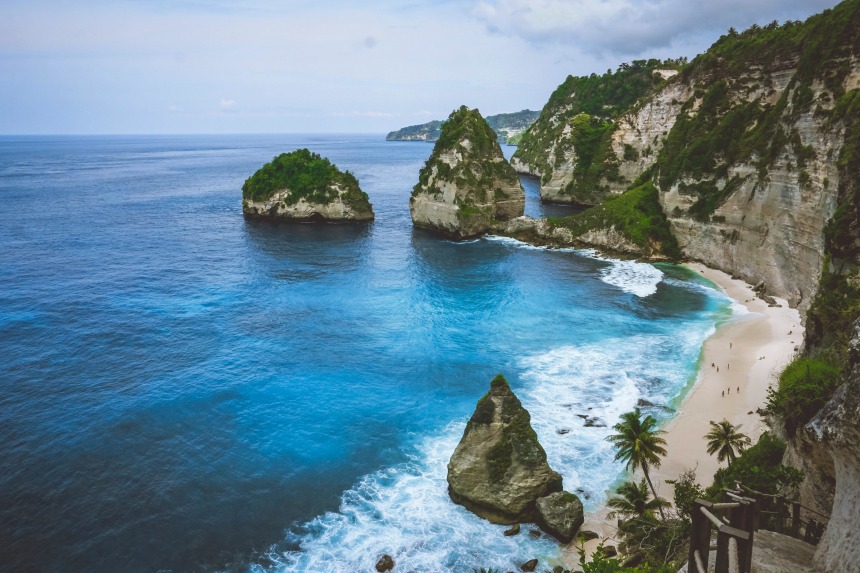
Mistake 1: Rushing the Safari to “Get to the Beach”
One of the biggest mistakes is treating the safari as something to “get through” before relaxing at the beach.
Wildlife safaris are immersive experiences that require time. Animals don’t follow schedules, and the magic often happens when you slow down—watching behavior, tracking movements, and spending unhurried time in each park.
What goes wrong:
Too many parks squeezed into too few days
Long driving distances with little time for actual game viewing
Exhaustion before reaching the beach
A better approach:
For a combined trip, 5–7 days is ideal for safari. Choose fewer parks and spend at least 2 nights per location. A well-paced safari makes the beach extension more enjoyable rather than a recovery period from fatigue.
Mistake 2: Choosing the Wrong Safari–Beach Order
Many travelers don’t realize that the order of the trip matters more than they expect.
Safari first, beach second is almost always the better option.
Why?
Safaris start early and involve long days—hard to enjoy after beach relaxation
Beach destinations encourage late mornings and slow rhythms
Ending at the beach allows you to decompress before flying home
Starting with the beach often makes travelers feel rushed or unmotivated during the safari portion.
Rule of thumb: Safari first, beach last—unless you have a very specific reason to reverse it.
Mistake 3: Assuming Zanzibar and Diani Beach Are Interchangeable
While both are beautiful Indian Ocean destinations, Zanzibar (Tanzania) and Diani Beach (Kenya) offer very different experiences.
Zanzibar
Best paired with Tanzania safaris (Serengeti, Ngorongoro)
Strong cultural element: Stone Town, spice farms
Wide range of resorts, from budget to high-end
Requires international or regional flights
Diani Beach
Best paired with Kenya safaris (Masai Mara, Amboseli, Tsavo)
Quieter, less crowded, more relaxed
Easier logistics when traveling within Kenya
Excellent for travelers who want minimal transfers
Common mistake: Choosing a beach purely based on photos, not logistics or travel flow.
Mistake 4: Underestimating Transfer Time and Logistics

A safari-beach combination looks simple on a map, but travel time adds up quickly.
Common issues include:
Long road transfers after early-morning game drives
Multiple domestic flights with tight connections
Border crossings that eat into travel days
For example, traveling from the Serengeti to Zanzibar involves:
A light aircraft flight
Possibly a connection via Arusha or Dar es Salaam
Luggage weight restrictions
Smarter planning tips:
Use internal flights to reduce fatigue
Avoid changing accommodation on consecutive days
Build buffer time, especially during peak seasons
Mistake 5: Spending Too Little (or Too Much) Time at the Beach
Some travelers add a beach stay almost as an afterthought—2 or 3 nights squeezed in at the end. Others stay so long that the safari feels disconnected from the trip.
Ideal balance for most travelers:
Safari: 5–7 days
Beach: 4–7 days
This allows time to truly unwind without losing the adventure focus of the journey.
Remember: a safari is mentally and physically stimulating. The beach isn’t just a luxury—it’s part of the recovery and reflection.
Mistake 6: Expecting Luxury at Mid-Range Prices (or Vice Versa)
Another common misunderstanding is around expectations.
A mid-range safari + beach trip in East Africa typically includes:
Comfortable lodges or tented camps (not luxury, not basic)
Shared or private 4x4 vehicles depending on budget
Well-trained English-speaking guides
Beach resorts that are relaxed rather than ultra-exclusive
Problems arise when travelers expect:
Private flights, five-star resorts, and exclusive vehicles—on a mid-range budget
Or, on the other hand, are unprepared for the true value and cost of park fees and conservation charges
Clear expectations lead to better experiences and fewer surprises.
Mistake 7: Not Accounting for Seasonality
Safari and beach seasons don’t always align perfectly.
Peak safari seasons (July–October, Christmas & New Year) mean higher prices and limited availability
Beach destinations are generally good year-round but can be affected by short rains
Booking late—especially for December travel—often leads to compromised choices.
Planning tip:
For peak periods, start planning 9–12 months in advance, especially when combining safari and beach.
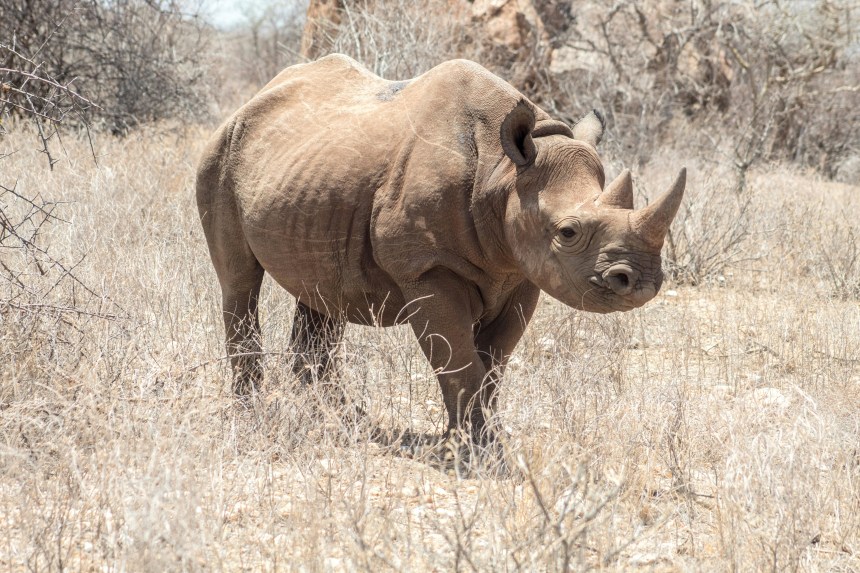
Plan Your African Safari Well: Experience Unforgettable Adventures
The most successful safari-and-beach trips aren’t defined by how many places you visit, but by how smoothly the journey flows.
When done right, the transition from dusty savannahs to white-sand beaches feels natural and rewarding—not rushed or exhausting. By avoiding these common mistakes and planning with pacing, logistics, and realistic expectations in mind, you can enjoy the very best of East Africa including thrilling wildlife encounters and world-class coastal relaxation—all in one unforgettable journey.