
Mount Kilimanjaro, Africa’s highest peak, rises from the plains of northern Tanzania to a height of 5,895 meters above sea level. One of its most fascinating features is the variety of climatic zones that climbers pass through on their journey to the summit. These zones range from tropical rainforest at the base to arctic conditions at the peak, creating unique landscapes and ecosystems along the way.
1. Cultivation Zone (800–1,800 meters)
The base of Kilimanjaro consists of farmland and cultivated areas. This zone is warm and humid, with small villages and agricultural fields surrounding the mountain. Crops such as coffee, bananas, maize, and vegetables are commonly grown here. The temperature is generally mild, making it comfortable for starting the trek.
2. Rainforest Zone (1,800–2,800 meters)
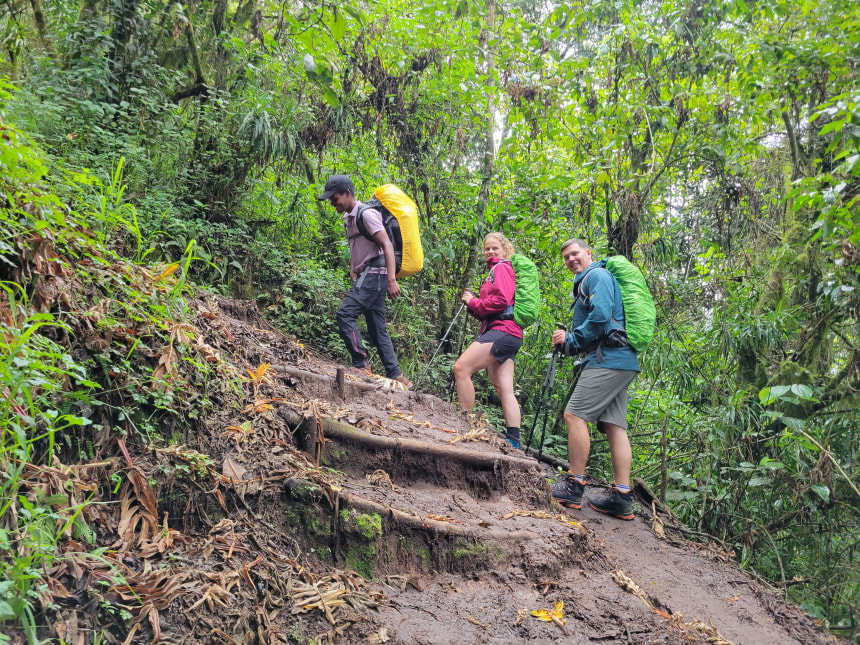
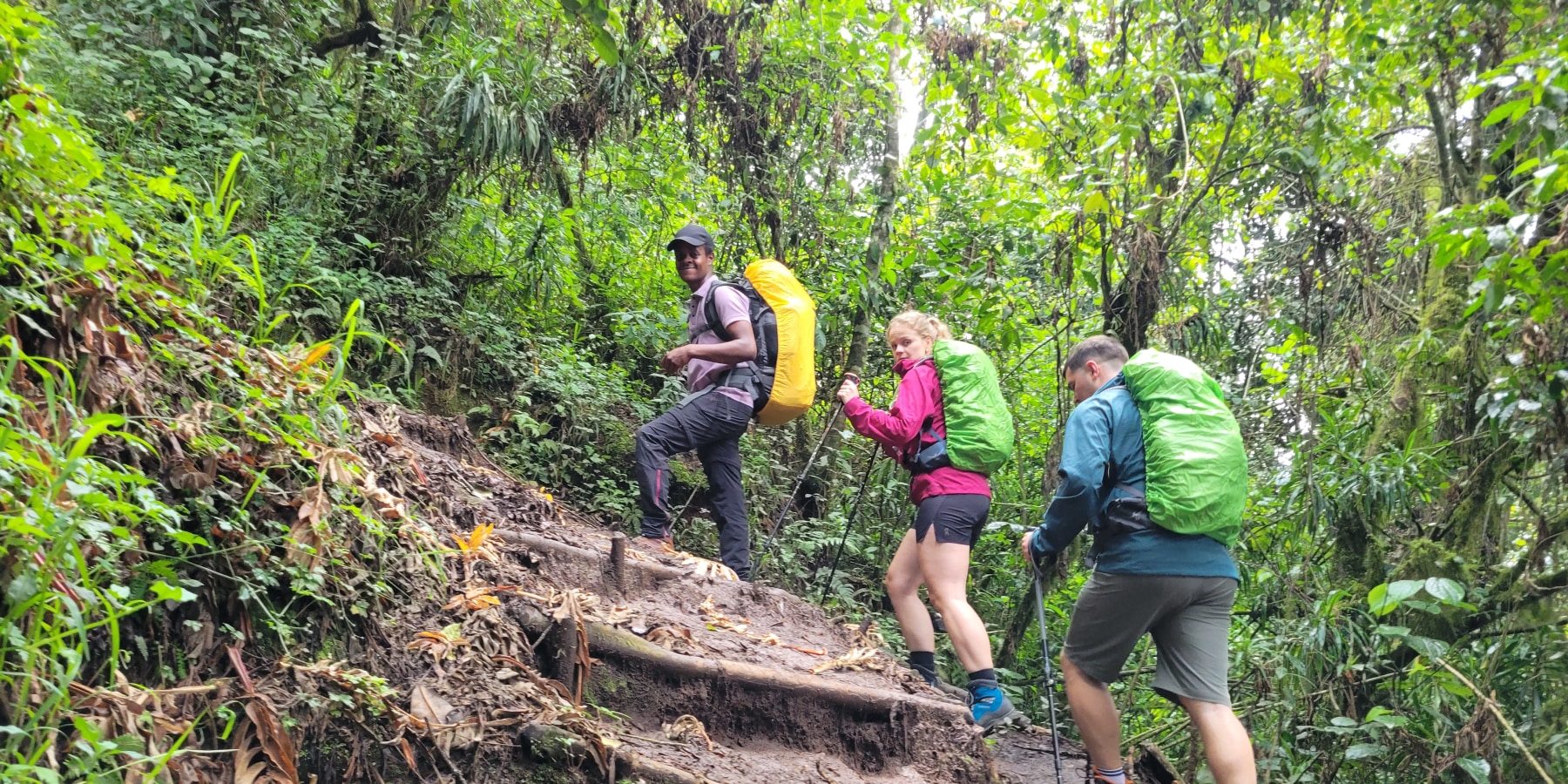
Above the cultivation zone, climbers enter dense tropical rainforest. This zone is humid with frequent rainfall and thick vegetation, including giant ferns and tall trees. Monkeys and various bird species inhabit this area. Trails in this zone are shaded and often muddy, offering a cool and lush environment for trekkers.
3. Moorland Zone (2,800–4,000 meters)
The moorland zone is characterized by open landscapes, shrubs, and unique giant plants such as lobelias and groundsels. Temperatures start to drop, and the environment becomes drier. This zone provides spectacular views of the mountain and surrounding areas, and it is often used as an acclimatization area for climbers.
4. Alpine Desert Zone (4,000–5,000 meters)
The terrain becomes rocky and barren with little vegetation. Temperatures fluctuate significantly between day and night, often dropping below freezing. This zone is dry and exposed, requiring trekkers to prepare for harsh sunlight during the day and extreme cold at night.
5. Arctic Zone (5,000–5,895 meters)
The summit zone is covered with ice and snow, with temperatures often below freezing. Oxygen levels are low, and the terrain is icy and challenging. Climbers face extreme conditions, making proper acclimatization and preparation essential for a successful ascent to Uhuru Peak.
Understanding these climatic zones is essential for planning a Kilimanjaro trek. Each zone offers unique landscapes, wildlife, and challenges, contributing to the mountain’s reputation as one of the most diverse and extraordinary trekking experiences in the world.