


China is one of the safest countries in the world, for both travelers and residents. According to the 2025 Global Safety Report released by Gallup, China's sense of safety among residents reached 94%, tying for third globally with Oman; China scored 93 points on the "Law and Order Index," tying for fourth globally with Iceland and Vietnam. Among 144 countries and regions, China ranked third.
However, this doesn't mean you can let your guard down completely. As with traveling in any country, understanding potential risks and being well-prepared will make your journey more worry-free. This guide covers crime and safety, common scams, women's travel safety, natural disasters, traffic safety, digital security, and emergency contacts – giving you a complete picture of safety in China.
- How Safe Is China Really? – Data and Real Experiences
1. What do the official numbers say?
In 2025, criminal cases nationwide decreased by 12.8% year-on-year, reaching their lowest level since 2000; public security cases fell by 3.5%. Violent crime rates are extremely low, and violent crimes against foreigners are nearly non-existent.
2. Real experiences from foreign travelers

Canadian traveler Dave Mani said on his YouTube video: "I've been to 55 countries, and China is probably in my top three safest places I've ever visited."
German tourist Lukas Schmidt forgot his phone at a restaurant in Shanghai. When he returned 30 minutes later, the restaurant staff had kept it safe and returned it to him. He said: "It makes people less worried about losing things. I feel safety is part of everyday life in China."
Australian blogger Phoebe said: "As a woman traveling alone, I felt very safe in China. Not once did a man intentionally touch me or say anything inappropriate. I never worried about pickpockets."
American backpacker Christian Grossi recorded from a public square in Chongqing on a Saturday night: "It feels super peaceful and super safe. Many people are filming with their phones without worrying about them being snatched. I never felt any danger here. People are just enjoying life."
Foreign netizen Lena Hartley said: "China is very safe for women traveling alone. You can walk down a deep alley in Shanghai at 3 AM with a stack of cash and not worry about getting robbed."
In many global cities, after sunset comes with a sense of caution. But in China, travelers report a different scene: brightly lit streets, late-night joggers, and bustling night markets.
- Crime and Scams Targeting Tourists: Rare but Worth Knowing
1. Pickpocketing and minor crime
Pickpocketing can happen in big cities and crowded areas, but overall it's relatively uncommon in China. Common hotspots include:
• Subway peak hours
• Tourist attractions and markets
• Passages at major train stations or airports
Prevention tips:
• Keep your bag in front of you in crowds
• Avoid pulling out large amounts of cash in public
• Hold your phone firmly or keep it in a zippered pocket
2. Common travel scams
The average amount involved in Chinese travel scams is around 2,000–10,000 RMB. Here are some of the most common:
Tea house / bar scam: A "student" or friendly local (especially near tourist sites) approaches you and invites you for a drink. The venue is often a private tea house or bar with hidden exorbitant prices, and you end up with a huge bill.
Fake taxis: Unlicensed vehicles charge outrageous fares or take deliberately long detours.
Restaurants or shops with unclear pricing: Items are not clearly marked, and you find the price is far higher than expected when the bill comes.
Low-cost tour group traps: In typical cases released by the Ministry of Culture and Tourism in 2026, examples include low-cost senior tour groups being "dumped," low-cost "insurance groups" forcing tourists to shop, and guides coercing purchases with threats like "if you don't buy, I'll leave you at the roadside." Promotions like "zero-yuan tours, 99-yuan cheap tours" and "internal special prices" often come with mandatory shopping, hidden fees, and last-minute price hikes.
3. How to protect yourself
• Politely refuse any aggressive invitations
• Confirm prices before ordering
• Use licensed taxis or ride-hailing apps like DiDi
• Choose reputable travel agencies and sign the standard group tour contract (2026 version issued by the Ministry of Culture and Tourism)
• For any deal that feels off, confirm the price before paying
- Women Traveling Alone: Very Safe

China is considered one of the safest destinations in the world for solo travelers, including women.
A Dutch student said: "Compared to my country, I think the best part is that many girls in my country are afraid to go out at night. In China, girls can walk safely at any time of night."
An Albanian student said: "In some other countries, I can't go out alone – I must have friends, preferably male friends, to feel safe. But in China, I'm perfectly fine on my own."
Practical tips for female travelers:
• Prioritize cities with good public security, convenient transport, and mature tourism infrastructure, such as Hangzhou, Suzhou, Nanjing, Xi'an, Dali, Qingdao, etc.
• Choose well-lit main streets for nighttime walks
• Use licensed taxis or ride-hailing services when returning late at night
• Maintain basic travel common sense – just as you would in any country
- Natural Disasters and Environmental Safety
This is one of the most important safety topics to consider when traveling in China. China's vast territory spans multiple climate zones and geological regions, making natural disasters relatively common.
1. Flood season and geological hazards
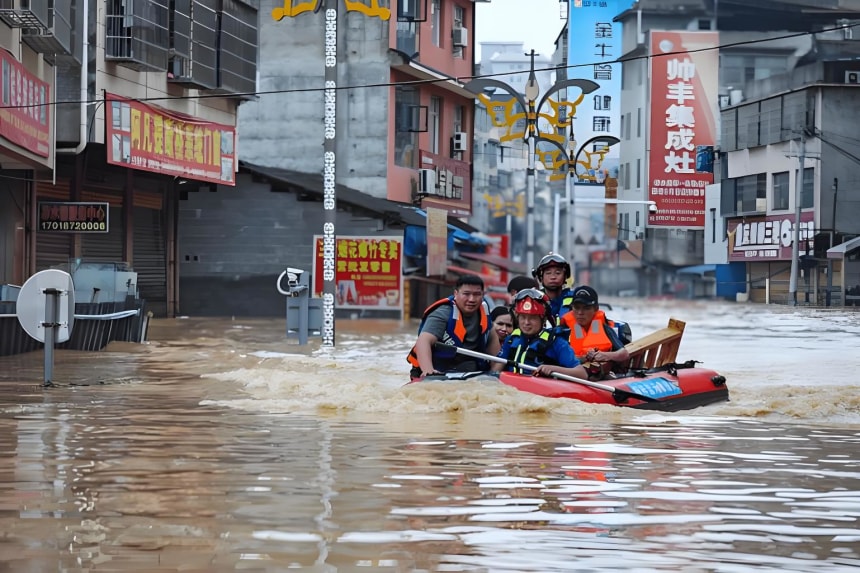
The period from the second half of July to the first half of August is China's critical flood control season, when localized heavy rains and floods are frequent. In July 2026, due to heavy rainfall, many areas in southern and central China issued orange-level geological disaster alerts. During Typhoon Bavi's landfall, nearly 103,000 people in Beijing and over 11,000 in Zhejiang were evacuated.
Tips for travelers:
• Check official sources for weather conditions and geological disaster warnings along your route before departure
• Confirm attraction opening status in advance and plan your itinerary accordingly
• If you receive risk alerts, decisively adjust or cancel your plans – never take unnecessary risks
• Avoid undeveloped or off-limits areas
• Exercise extra caution in disaster-prone areas like mountain regions, canyons, rivers, lakes, and coastlines
• For self-drive trips, watch for waterlogged roads, falling rocks, and landslides in mountain areas – never force your way across flooded bridges or unknown waterlogged sections
2. Air pollution
Major cities still face smog issues. While air quality has improved significantly over the past 20 years, sensitive individuals should still take precautions. Travelers with respiratory sensitivities or asthma are advised to wear FFP2 or FFP3 masks, monitor air quality via AQI apps, and avoid unnecessary outdoor activities when air quality is poor.
- Traffic Safety
Traffic is probably the most practical safety risk you'll encounter while traveling. China's traffic rules differ significantly from those in Western countries, and crossing the street requires extra caution.
1. Pedestrian safety
• Cars often turn right on red without yielding to pedestrians
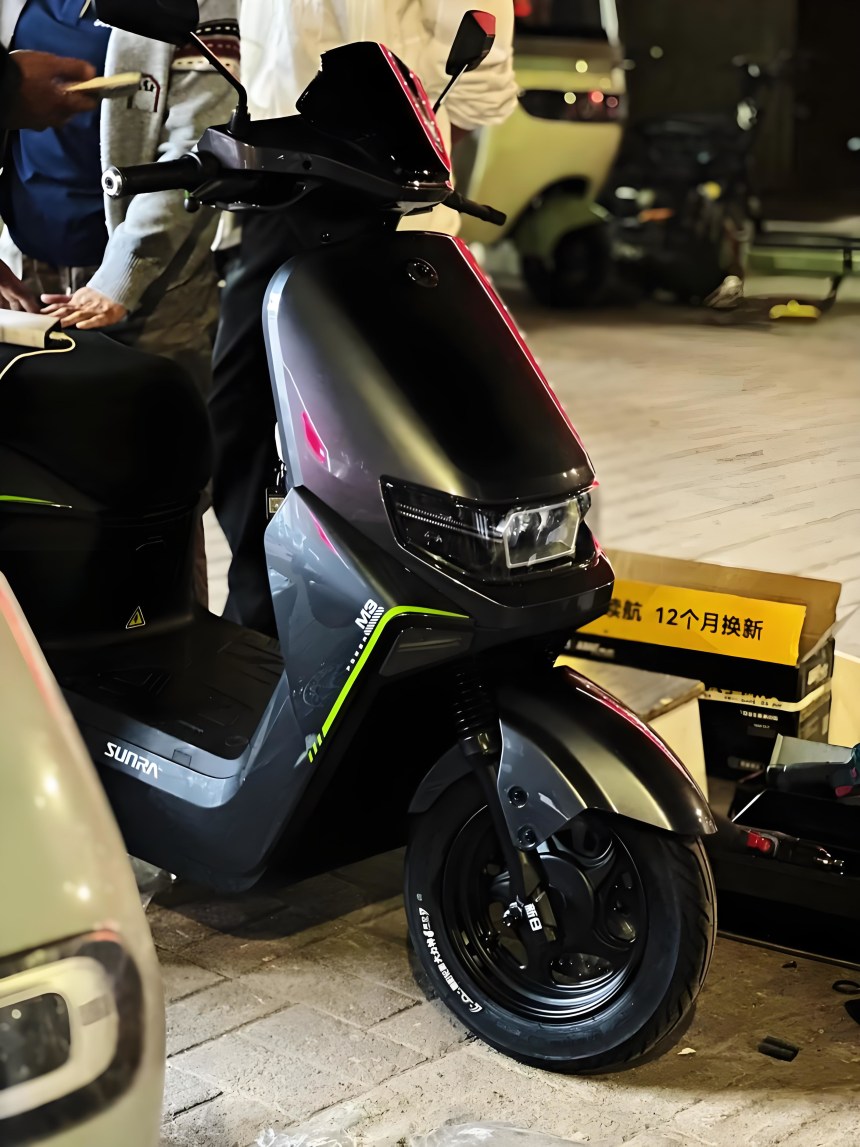
• E-scooters and motorcycles sometimes ride on sidewalks
• Always look both ways before crossing – don't rely solely on traffic lights
2. Riding safety
• Use licensed ride-hailing apps like DiDi instead of hailing taxis on the street
• For long trips, plan for adequate rest breaks
• For self-drive trips, check your vehicle beforehand and follow traffic rules
3. Water safety
Wear life jackets when taking sightseeing boats. In July 2026, a foreign tourist in Sanya's Dadonghai area wandered into a riptide zone and was rescued by lifeguards. Pay attention to safety warnings when visiting coastal areas.
- Digital Security and Internet Use
1. Internet environment
China's "Great Firewall" blocks most Western apps, and public Wi-Fi is monitored. Many travelers use travel eSIMs to stay connected for maps, translation, and real-time travel updates.
2. Telecom scams
Telecom scams targeting foreigners in China do occur. Common forms include:
• Calls claiming to be from embassies or consulates, stating you're involved in illegal activities
• Job scams offering "high-paying work"
• Online dating or "international matchmaking" traps
Prevention tips:
• If you receive a call claiming to be from an embassy or consulate, hang up and verify through official channels
• Never transfer money to unknown accounts
• Be wary of unofficial overseas job offers or invitations
- Special Regional Safety Considerations
1. Tibet Autonomous Region
Entry to Tibet requires a Tibet Travel Permit arranged through a travel agency. Independent travel is not permitted. Some areas may impose temporary curfews and travel restrictions.
2. Xinjiang Uygur Autonomous Region
Xinjiang is open to tourists, but security measures are strict, with frequent police checkpoints. Authorities may inspect your phone and passport.
3. Sensitive areas
• Do not take photos or videos in sensitive areas
• If flying drones, strictly follow local regulations
• Comply with national security regulations regarding出境 restrictions
- Practical Safety Tips
1. Before you depart
• Take personal responsibility for your own safety overseas
• Consider purchasing travel insurance for your trip
• Research risk alerts and regulations for foreigners in your destination
• Ensure your passport has at least 6 months of validity and blank visa pages
• Have printed copies of round-trip flight tickets, hotel confirmations, and your itinerary
2. During your trip
• Comply with local laws and regulations; respect local customs
• Behave appropriately at tourist sites; avoid taking photos in sensitive areas
• Keep your documents and valuables secure
• Avoid wearing expensive jewelry or displaying wealth
• Choose reputable hotels, restaurants, and transportation options
• Avoid remote or high-crime neighborhoods
3. Participating in high-risk activities
• For high-risk activities like rafting, rock climbing, expeditions, or outdoor sports, ensure you receive proper training
• Do not participate in unassessed high-risk activities
- Emergency Contact Numbers
Save these numbers in your phone:
| Emergency | Number |
|---|---|
| Police | 110 |
| Fire | 119 |
| Ambulance | 120 |
| Traffic Accident | 122 |
| National Immigration Administration Hotline | 12367 |
| Global Consular Protection and Service Hotline (Ministry of Foreign Affairs) | +86-10-12308 |
Important: The 12308 consular protection hotline will not proactively call citizens to inform them of personal matters or legal violations. It will not transfer calls to other departments or ask for transfers to designated accounts. If you receive a call claiming to be from 12308, hang up and verify through official channels.
- Final Thoughts
The vast majority of China is completely open to travelers and very safe. From the rice terraces of Yunnan to the Great Wall, from the grasslands of Inner Mongolia to the karst peaks of Guangxi, countless beautiful destinations await.
The principle is simple: plan ahead, stay aware, respect local laws, and use common sense. China is vast, with countless safe and beautiful travel destinations – enough to keep you exploring for years.
Got more questions about your trip to China? Drop them below – I'm happy to help!

I'm Yuan, a local tour guide registered on tourHQ, based in Shanghai and covering the Yangtze River Delta region (including Suzhou, Hangzhou, Nanjing, and beyond). I don't just take you to the famous sights – I'll bring you to hidden alleyway eateries, share stories that never make it into guidebooks, and craft a journey that fits your pace and interests.
Ready to explore the real China with a local? Click on my profile now to learn more!
My profile: https://www.tourhq.com/guide/CN38750/yuan-shen
Let me help make your China trip truly unforgettable – see you soon!