


First time in China? Beyond visas and flights, there's one more thing worth knowing about in advance — cultural differences. Many things that are perfectly polite in your country might backfire here; conversely, some Chinese-style "warmth" might strike you as a bit odd.
This guide isn't meant to make you nervous — it's here to help you avoid unnecessary pitfalls and have a richer experience. Most Chinese people are incredibly friendly and forgiving toward foreign visitors — they understand you're not familiar with the local ways and won't get upset if you make a mistake. But if you show respect and curiosity about their culture, they'll appreciate it all the more. When in Rome, do as the Romans do — it'll make your trip smoother and open the door to more kindness and warm encounters.
- Social Etiquette: Greetings, Titles, and "Face"
1. Greetings – A handshake is enough

In China, the simplest and most appropriate greeting is a handshake — a light grip, a smile, and a simple "ni hao" (hello) are all you need. No hugs, no cheek kisses — these can make Chinese people feel awkward in public. If the other person is a woman, let her extend her hand first.
If you're meeting a group, greet the eldest or highest-ranking person first. In Chinese culture, respecting elders and superiors is important.
2. Titles – Don't use first names
In China, avoid using someone's first name alone (especially with elders or people you've just met) — it's considered disrespectful. The proper way is to use their title or surname plus title — for example, "Mr. Wang," "Manager Li," "Professor Zhang." If you're unsure, "Mr." or "Ms./Mrs." is always safe.
3. "Face" culture – never embarrass someone in public
"Face" (mianzi) is a core concept in Chinese culture. Simply put: never put someone in an awkward position in public. If you're unhappy with a service, price, or situation, address it privately rather than blowing up on the spot. Public anger not only fails to solve problems but also makes everyone around you — including yourself — feel deeply uncomfortable.
If something goes wrong with a friend or guide, speak calmly in private — they'll be much more willing to help.
4. Conversation topics – what's okay and what's best avoided
Chinese people can be more "direct" in conversation than Westerners. You might be asked: "Where are you from?" "What do you do?" "Are you married?" "How much do you earn?" These questions might feel private to you, but in China, they're often just genuine curiosity and care — not meant to offend. You can answer briefly, or deflect with a lighthearted joke.
Safe topics: Chinese food, places you've visited, your impressions of China, your hometown.
Best not to ask: income, age (especially of women), political views, religious beliefs.
5. Giving and receiving gifts
If invited to a Chinese home, bringing a small gift is a thoughtful gesture.
Good gift ideas: tea, specialty foods from your hometown, souvenirs, fruit.
Avoid these:
Clocks — the word sounds like "attending a funeral"
Umbrellas — the word sounds like "separation"
Pears — the word sounds like "leaving"
Shoes — the word sounds like "evil"
Green hats — carries a very specific and negative meaning in Chinese culture
White or black wrapping paper — these colors are associated with funerals
Chrysanthemums — used mainly for funerals and graves
Odd numbers of gifts — "good things come in pairs" is the Chinese belief
When receiving a gift: Chinese people usually don't open it in front of you — this doesn't mean they don't like it. It's a traditional sign of modesty and politeness; they'll open it after you leave.
6. Numbers with meanings
In Chinese culture, numbers carry more than their face value:
Lucky 6 and 8 — 6 means "smooth going," 8 means "wealth"
Unlucky 4 — sounds like "death"
- Dining Etiquette: From Chopsticks to Toasting
Chinese dining culture is rich. Knowing a few basic rules will greatly enhance your experience.
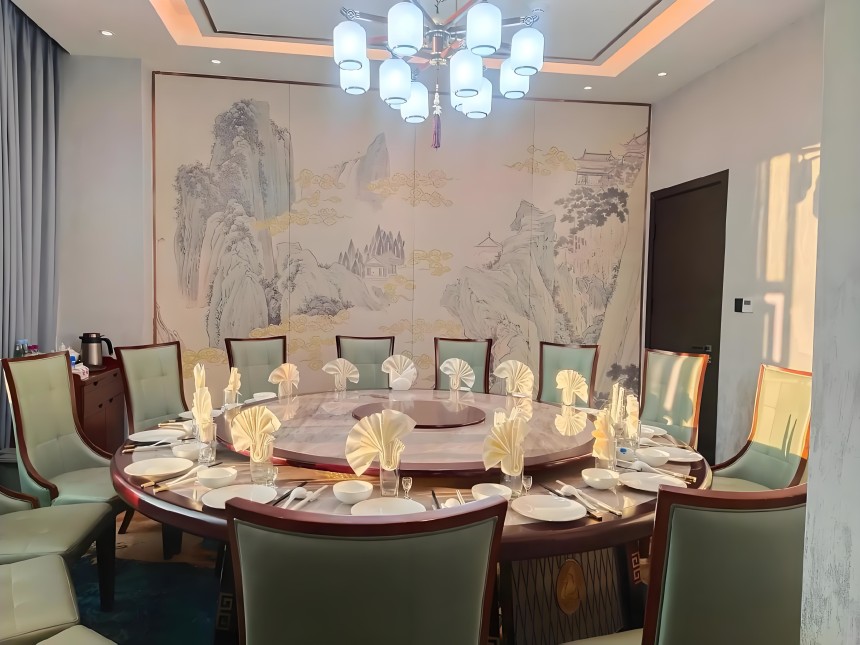
1. Seating – the seat facing the door is the main seat
If invited to a formal Chinese banquet, seating matters. The seat directly facing the entrance is the main seat, reserved for the most important guest or host. If you're the guest, the host will likely seat you there or beside it — this is a sign of respect. Don't over-polite refuse; just accept graciously.
2. Chopsticks – things you must never do
Chopsticks are central to Chinese dining — and also the easiest place to make a faux pas:
❌ Never:
Stick chopsticks upright into your rice bowl — this resembles incense sticks at a funeral, very unlucky
Point at someone with chopsticks — seen as aggressive or disrespectful
Tap your bowl or plate with chopsticks — mimics a beggar asking for food
✅ Do:
When not using them, place them flat on the table or on a chopstick rest
Don't rummage through dishes to pick and choose
Don't use your own chopsticks to serve others — use serving chopsticks (if available)
3. Eating sounds – try to keep it quiet
Making loud eating sounds (like slurping soup or noodles) is generally considered rude in China. Eat quietly, and don't talk with food in your mouth.
4. Toasting – lower your glass to show respect
At formal dinners, toasting is common. When toasting an elder or superior, lower your glass slightly below theirs — this shows respect. If they lower theirs below yours, they're returning the respect; you can lower yours a little more in return.
If you don't drink alcohol, it's perfectly fine to toast with tea or a soft drink — just say "I'll substitute tea for wine."
5. Paying the bill – a friendly "battle"
Among friends or colleagues, fighting over who pays the bill is very common. It's not an act — people genuinely want to treat you. As a guest, the host will usually insist on paying. You can offer once or twice, but if they insist, let them — and treat them next time.
6. Tipping – generally not needed
This confuses many foreign visitors. Here's the short version: in most places in China, tipping is not required.
No need to tip:
Restaurants (unless a 10% service fee is already included on the bill)
Taxis and ride-hailing
Hotels (generally)
Occasionally acceptable:
Private tour guides — if you're very happy with the service, a small tip at the end is a nice gesture
Hotel porters who help with luggage
Restaurants with exceptionally attentive service (if you wish)
Bottom line: Not tipping in China is not considered rude. If you do tip, it's seen as an extra kindness, but never mandatory.
- Temples and Religious Sites: Respect and Quiet
China is home to Buddhism, Taoism, Islam, Christianity, and other religions. When visiting religious sites, please be respectful:
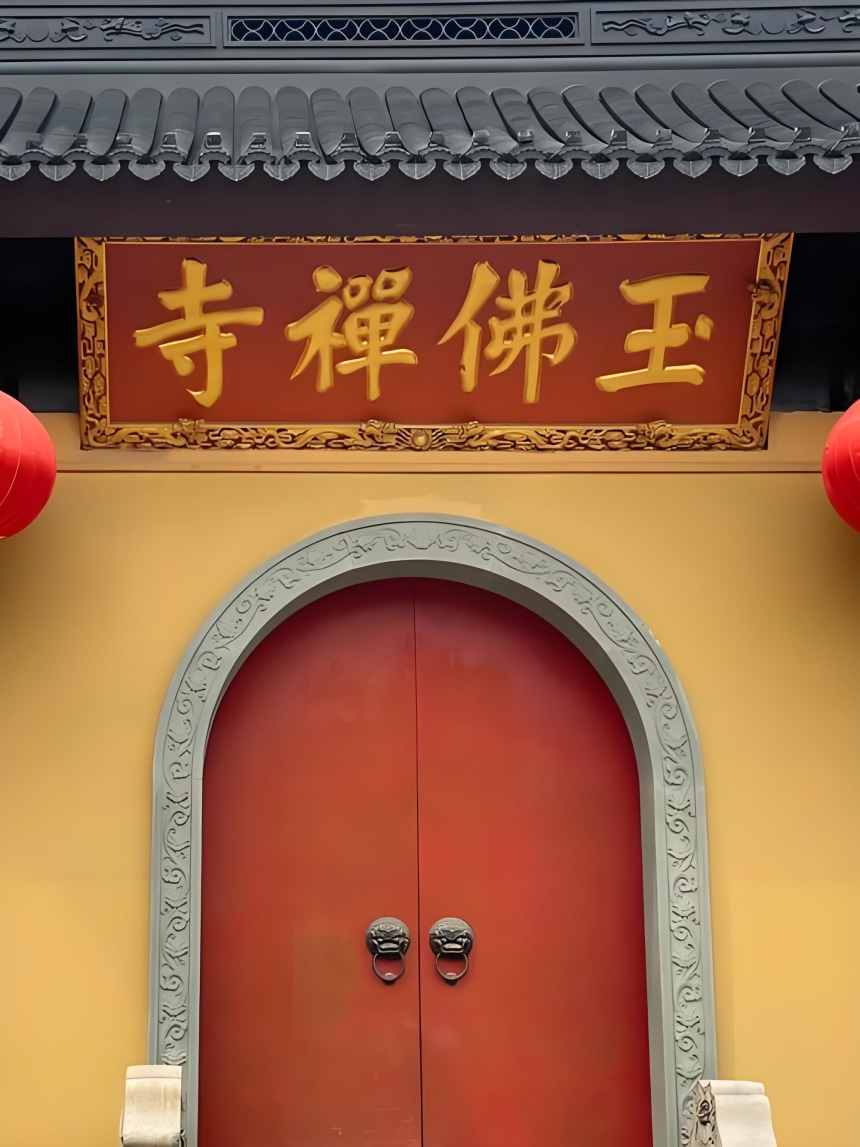
Keep quiet — no loud talking or joking
Follow photography rules — many temples prohibit photos inside, especially of statues. Look for signs or ask staff
Dress modestly — avoid revealing clothing
Don't touch — don't touch statues, scriptures, or ancient artifacts
Follow local customs — you may need to remove shoes before entering some halls
- Behavior in Public Spaces
1. Queuing and order
Queuing is increasingly the norm in China — at subways, attractions, restaurants. Cutting in line is considered rude. On public transport, don't push for seats.
2. Smoking and no-smoking areas
Many public places (restaurants, malls, public transport) are non-smoking. Smoking in restricted areas may result in fines. If you need to smoke, find designated areas.
3. Noise control
Avoid loud talking in public places. In enclosed spaces like trains, subways, museums, and restaurants, keep your voice down.
4. Spitting and littering
Spitting or littering in public is considered uncivilized. Cities are becoming cleaner, and spitting may incur fines.
5. Dress code
For sightseeing and shopping, casual but neat attire is fine. However, for religious sites, government buildings, or formal occasions, avoid overly casual clothing (e.g., tank tops, shorts, flip-flops).
6. Keep your cool in public
If something unpleasant happens (poor service, price disputes), stay calm and don't lose your temper in public. Chinese culture values "harmony"; losing your temper makes everyone uncomfortable and rarely helps resolve the issue.
- Photography and Filming: Where Not to Shoot
Most places in China are photo-friendly, but pay attention to these:
1. Religious sites — many temples and churches prohibit interior photography, especially of statues. Look for signs.
2. Military and government areas — don't take photos near military bases, government buildings, or border checkpoints.
3. Artifacts and antiquities — flash can damage artifacts; many museums ban flash photography. Carving on artifacts is not only uncivilized but illegal.
4. Local people — if you want to photograph locals, ask first — "May I take a photo?" If they shake their head or wave, don't. Using a telephoto lens to sneak photos is considered impolite.
5. Drones — drone regulations are increasingly strict. Before flying, always check local rules — especially in cities, near airports, military zones, and scenic areas.
- Temple Visit Etiquette: What Not to Do
We've touched on some, but here's a complete checklist:
Dress appropriately — no short skirts, shorts, or tank tops
Stay quiet — temples are places of practice, not playgrounds
Don't touch — don't touch statues, murals, scriptures, etc.
Follow photography rules — many temples ban photography, especially inside halls
Walk clockwise — around pagodas or prayer wheels, typically clockwise is the respectful direction
Respect the faith — don't mock or comment disrespectfully on religious rituals
- Border and Entry Considerations
1. Carry your passport
While traveling, always carry your passport. You'll need it for attraction security, hotel check-in, train ticket purchase, and boarding. Keep it in a safe place, and have a photo of it on your phone as backup.
2. Prohibited items
Don't carry political or sensitive items into attractions — even if bought outside the gate.
3. Follow park rules
Watch for signs and follow staff guidance. Don't enter off-limits areas or zones closed to foreigners — especially in border regions.
- Frequently Asked Questions
1. Why do Chinese people keep putting food on my plate?
This is a sign of hospitality and warmth, not because they think you're not eating enough. If you don't want more, politely say "Thank you, I've had enough."
2. Why don't Chinese people just say "no"?
In Chinese culture, a direct "no" can feel impolite. People might use softer expressions — like "I'll think about it" or "It might not be convenient." This isn't evasion; it's a cultural habit. If you need a clear answer, you can gently follow up.
3. What if I'm asked about my income or age?
As mentioned earlier, these questions are often just curiosity and concern. You can give a brief answer, or deflect with humor — "Enough to get by" or "That's a secret." No need to feel offended.
- Final Thoughts
There's an old Chinese saying: "When you enter a village, follow its customs." The best way to travel is with an open mind and respect for local culture. Most Chinese are incredibly friendly to foreign visitors — they won't be upset by small mistakes. But when you show that you've made an effort to understand their ways, they'll be especially warm in return.
Don't stress, and don't aim for perfection. With goodwill, respect, and curiosity, your trip to China will be a great one. This is a country with five thousand years of culture, and countless stories waiting for you — and these cultural details are exactly what will make your journey truly unforgettable.
Got more questions about your trip to China? Drop them below – I'm happy to help!
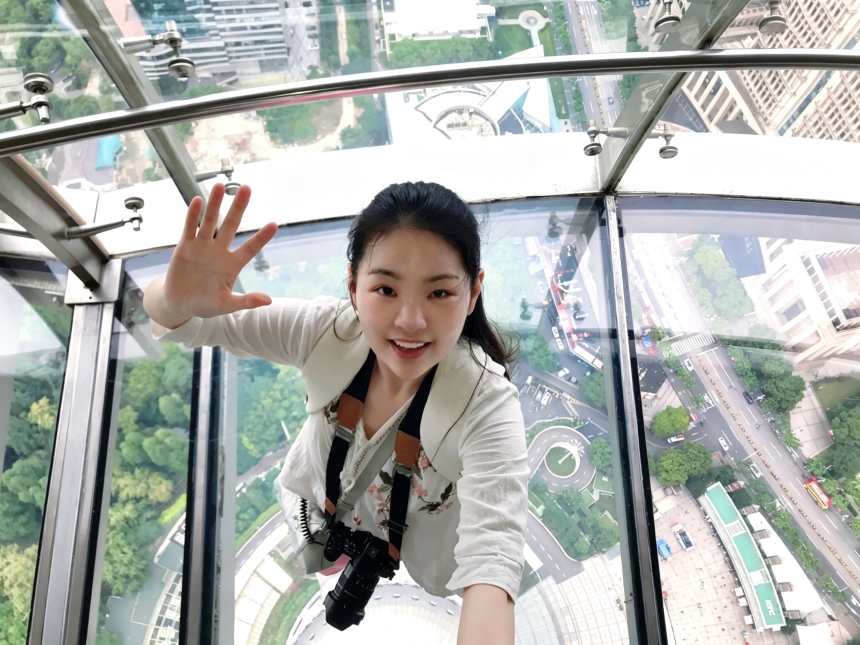
I'm Yuan, a local tour guide registered on tourHQ, based in Shanghai and covering the Yangtze River Delta region (including Suzhou, Hangzhou, Nanjing, and beyond). I don't just take you to the famous sights – I'll bring you to hidden alleyway eateries, share stories that never make it into guidebooks, and craft a journey that fits your pace and interests.
Ready to explore the real China with a local? Click on my profile now to learn more!
My profile: https://www.tourhq.com/guide/CN38750/yuan-shen
Let me help make your China trip truly unforgettable – see you soon!