



China's public transportation system is one of the most advanced, efficient, and traveler-friendly in the world. Even first-time visitors can navigate it with ease. From high-speed trains linking major cities to clean and comfortable subway systems, getting around China is often faster and more convenient than in many Western countries. This guide covers trains, subways, buses, ride‑hailing, shared bikes, e‑bikes, and even some local transport quirks – all in one place.
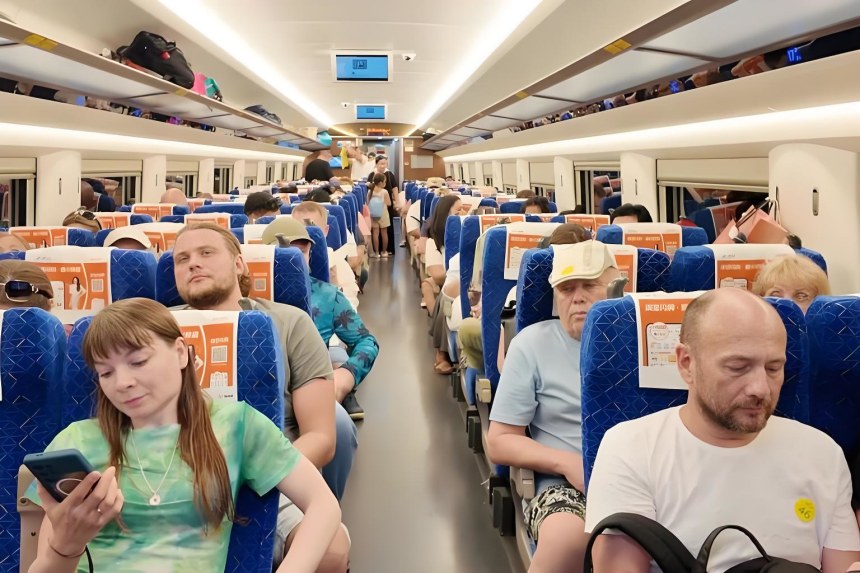
- High-Speed Rail: The Best Way to Travel China
China operates the world's largest high‑speed rail network, making train travel one of the most efficient, comfortable, and reliable ways to explore the country. For both domestic and international travelers, it offers a convenient way to move seamlessly between cities without the hassle of airports.
All major cities are connected by high‑speed rail, and many smaller cities and towns now have train stations too. For shorter distances (typically under 1,000 km), the train is often just as fast as flying – and sometimes even faster when you factor in airport transfers, security checks, and boarding time. It is also more comfortable, more convenient, and usually cheaper.
1. Service Facilities
• Full air‑conditioning – comfortable in both summer and winter.
• Charging outlets under each seat or beside the armrest (USB ports and standard power sockets); some trains also have wireless charging areas.
• You can order meals in advance via the 12306 app – restaurants at stations along the route will deliver the food directly to your seat.
• A dining car is available on most trains, offering hot meals, boxed lunches, snacks, and drinks, with prices ranging from 20 to 60 RMB.
• Seat classes include second class, first class, and business class – choose according to your budget and comfort needs.
2. How Foreigners Can Buy Train Tickets
• The official railway ticketing platform 12306 offers an English version (website and app).
• Foreign travelers can purchase tickets using their passport or Foreign Permanent Resident ID Card.
• Passport holders must complete identity verification through 12306 or at a station ticket window before purchasing tickets.
• For group travelers, the single‑purchase limit has been raised to 19 tickets per transaction.
3. Important Reminders
• Arrive at the train station early – security checks are mandatory and can take time.
• Always carry your original passport when traveling by train – it will be checked.
• Book tickets well in advance during Chinese holidays (Spring Festival, National Day, etc.).
- Subway: Clean, Fast, and Foreigner‑Friendly
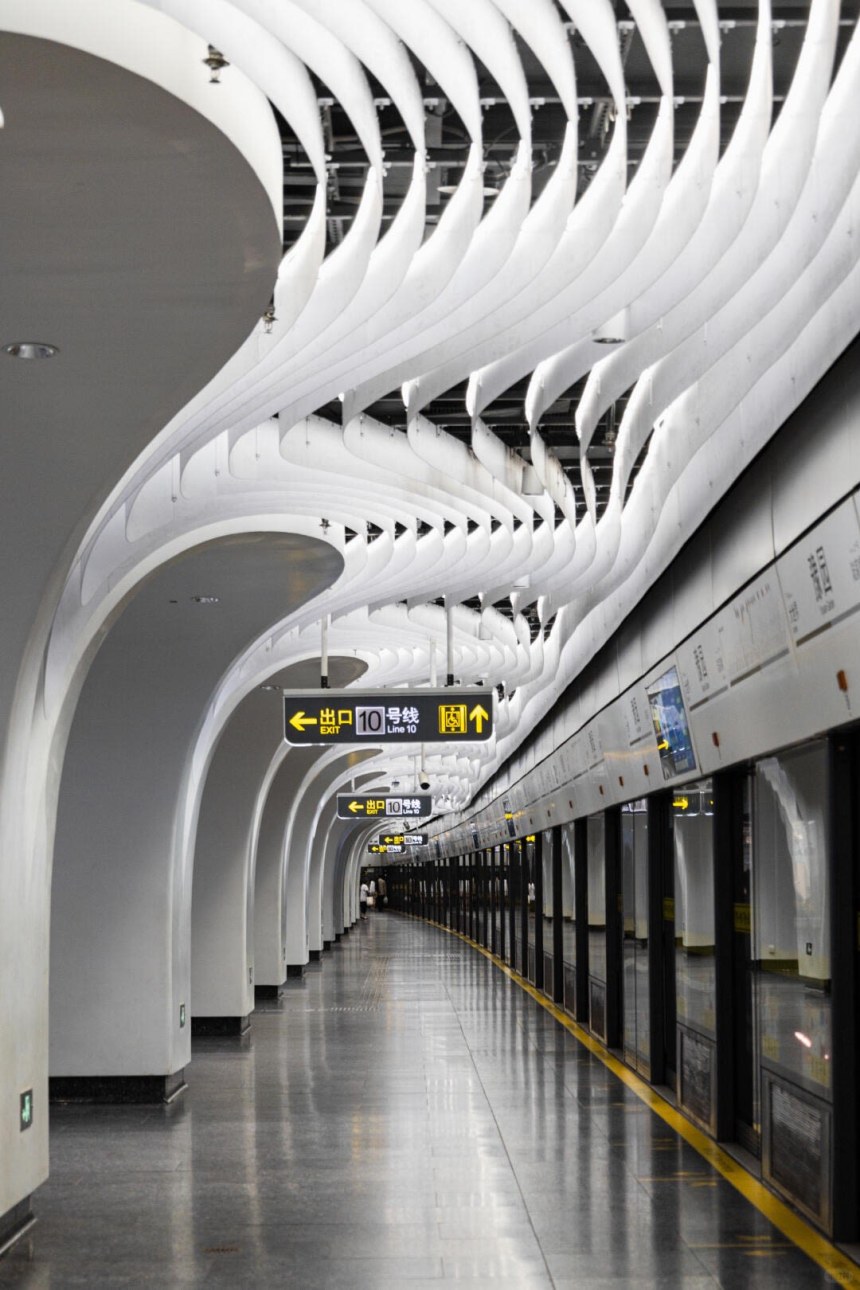
Most major Chinese cities have highly developed subway systems that are clean, modern, and efficient. They offer a reliable way to get around and avoid traffic jams. Fares are very affordable – typically between $0.30 and $1.00 USD, depending on distance.
1. Why Foreigners Love Chinese Subways
• Signs and announcements are usually in both Chinese and English, so you can find your way even without speaking the language.
• Stations are clearly marked and logically laid out.
• Trains run frequently and are considered very safe, with good security measures.
2. Payment Methods
• Mobile payment: Use Alipay or WeChat to generate a QR code and scan it at the gate.
• International bank cards: Major cities now support contactless payment with international cards. Shenzhen Metro accepts Visa, Mastercard, American Express, and JCB across all 432 stations on 17 lines. Suzhou Metro has POS machines at all stations accepting 6 major international card networks.
• Cash: Ticket vending machines at stations accept cash (exact change recommended).
• Travel wallets: Beijing's "GOBEIJING" platform offers a travel wallet feature that lets you pay for metro rides without linking a bank card. Shanghai also allows bank card tap‑to‑pay at metro gates.
• Changsongtong (畅游通): An all‑in‑one device that integrates payment, communication, ride‑hailing, translation, and maps – available at Beijing Capital Airport and Daxing Airport with just your passport.
• Mifang Card (米方卡): A Bank of China card that combines payment, communication, and transport – available at Beijing airports with a passport.
- Buses: The Most Budget‑Friendly Option
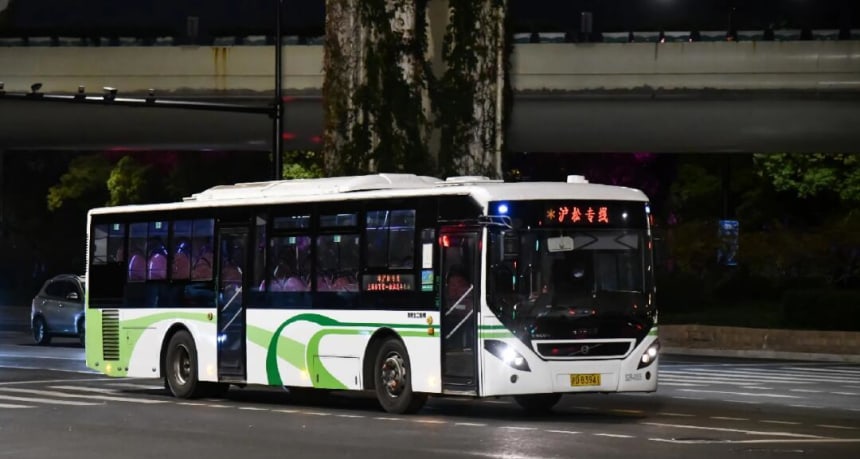
Buses in China offer the widest coverage and are the cheapest way to get around – especially in smaller cities without subways. Many rural areas are only accessible by bus.
1. Pros
• Extremely cheap – many rides cost under $0.50 USD.
• Extensive coverage – reaches nearly every city block and many rural areas.
• Frequent service in urban areas.
2. Challenges
• Bus information is usually only in Chinese, which can be tricky for first‑time riders.
• Routes and stops aren't always intuitive.
3. How to Navigate Buses
• Use apps like Amap (English version available) for real‑time route info and navigation.
• Payment options include cash (exact change required), transit cards, mobile payment apps, and bank cards. Some buses now allow you to tap your bank card / credit card / mobile Pay directly at the POS terminal – no ticket purchase or app download needed.
- Ride‑Hailing and Taxis
When public transport is not the most convenient option, ride‑hailing services are a great alternative.
DiDi is the most popular platform – often described as the Chinese Uber. It operates in most cities across China and is widely used by both locals and tourists.
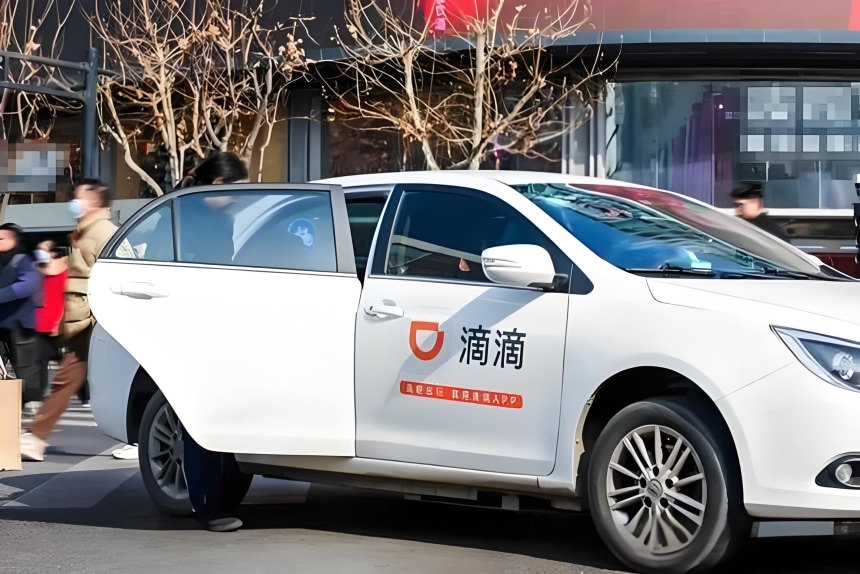
1. Why DiDi is Great for Travelers
• Very affordable compared to traditional taxis.
• The app auto‑locates your position – no need to explain where you are in Chinese.
• Transparent pricing with upfront fare estimates.
• Multiple vehicle options to choose from based on budget and comfort.
While traditional taxis are available in almost every city, DiDi is usually the better choice for international travelers – it eliminates language barriers and makes the whole process smoother.
Note: DiDi offers an English version of its app. You can also book rides through Alipay's transport tab.
- Shared Bikes: The Ultimate Short‑Distance Solution
If you've spent any time in a Chinese city, you've probably noticed the sea of blue, yellow, and turquoise bikes parked everywhere. Bike sharing is huge in China – and foreigners can use it too.
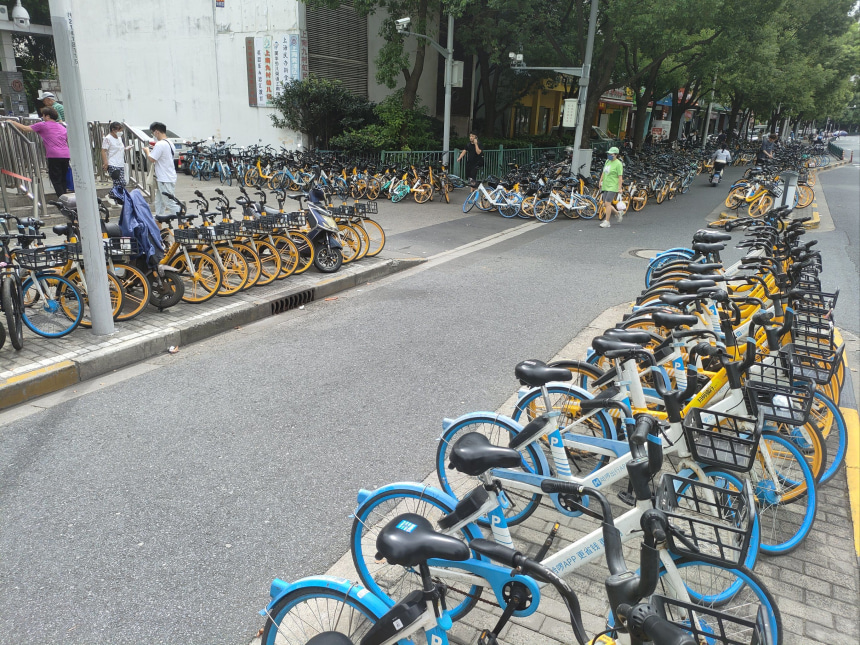
1. Which Apps Work for Foreigners?
• HelloRide (哈啰) – embedded in Alipay, the earliest company to allow foreigners to use shared bikes.
• Meituan Bike (美团单车) – also now open to foreign users.
2. How to Rent a Shared Bike
Option 1 – Through Alipay (Recommended)
1.Open Alipay and search for the "HelloRide" mini‑program.
2.Alternatively, click the "Transport" tab and select "HelloRide".
3.Click the QR scan icon and scan the code on the bike.
4.The bike will unlock automatically – payment is processed through Alipay.
Option 2 – Through Meituan
Open the Meituan app and scan the QR code on a yellow Meituan bike.
3. Important Notes
• Real‑name verification is required. Foreigners can use their passport for authentication.
• You may need to enable Bluetooth for the bike to unlock.
• Without a Chinese phone number, you might not be able to complete registration – so it's best to set this up after getting your local SIM card.
• Bikes must be returned to designated parking areas – the app will show you where.
Where to Find Shared Bikes:
Shared bikes are available in urban public areas and near most tourist attractions.
- Shared E‑Bikes: A Faster Option
For slightly longer trips within the city, shared e‑bikes (electric bikes) are becoming increasingly popular. They are faster than regular bikes and require less pedaling effort.
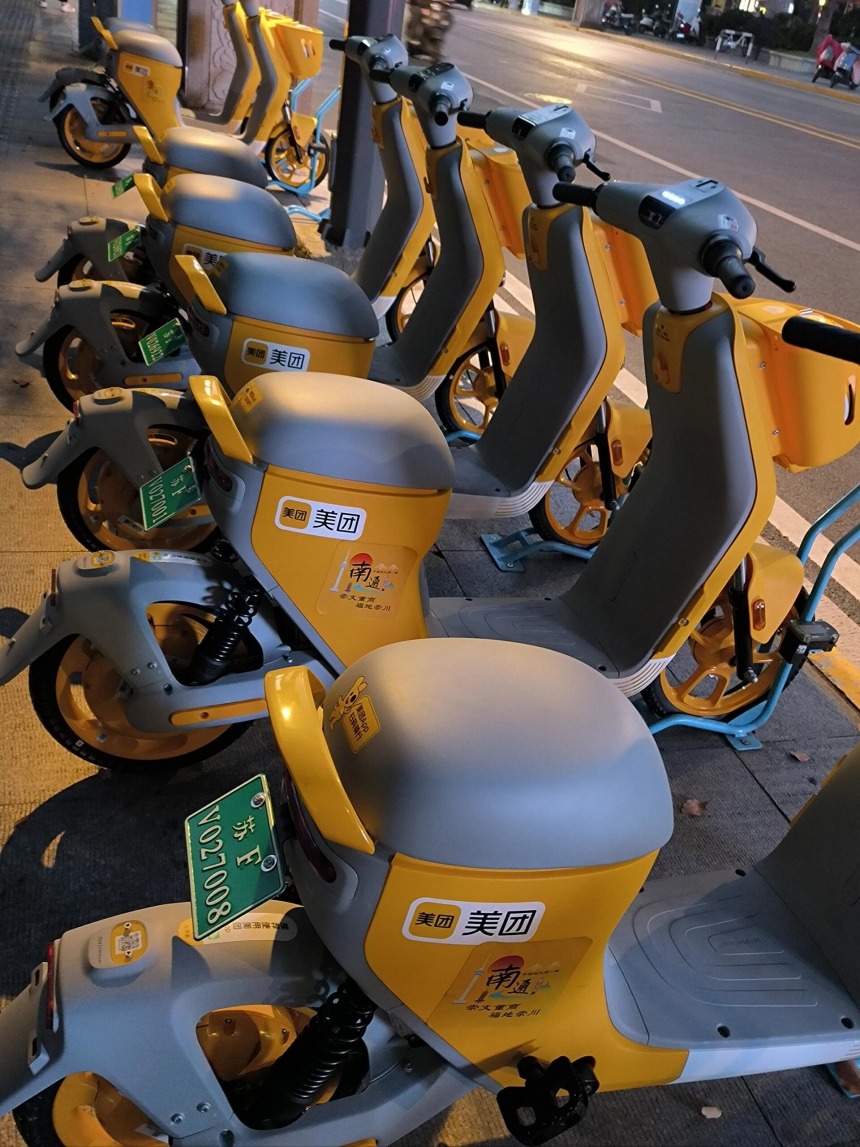
1. How to Rent Shared E‑Bikes
• The process is similar to renting a shared bike – scan the QR code on the e‑bike through Alipay or the relevant app.
• Some cities allow e‑bike rentals through DiDi as well.
• Like shared bikes, real‑name verification with a passport is required.
2. Regional Differences
• Not all cities have shared e‑bikes. Cities like Jinan (Licheng District), Changchun (Jingyue High‑tech Zone), Beijing (Tongzhou Sub‑center), and Zhengzhou (near subway exits) have implemented regulated e‑bike operations.
• Different cities have different management policies – some control the total number of e‑bikes allowed.
• Many scenic areas also offer e‑bike rentals – for example, some tourist spots charge around 50–80 RMB for 2 hours.
3. E‑Bike Regulations to Know
• Some cities require e‑bikes to have dedicated license plates and smart helmets with "no helmet, no power" functionality.
• Many places have made helmet‑wearing a legal requirement, not just a recommendation.
• E‑bikes must be parked in designated areas – the app will show you where.
- Local Gems: "Bengbeng Che" (蹦蹦车) in Hainan
If you're visiting Hainan, you'll encounter a unique local transport option: the "bengbeng che" (蹦蹦车) – also known as the "fengcai che" (风采车).
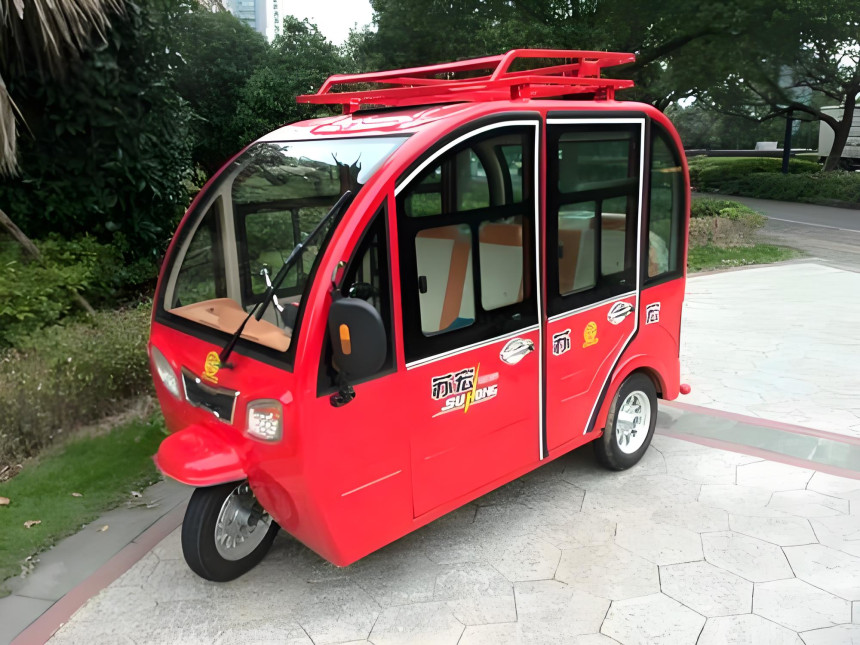
What Is It?
A three‑wheeled sidecar or open‑back vehicle that operates within city limits. It's a fun and budget‑friendly way to get around, especially in places like Wanning and Lingshui.
Fare Reference:
• Short trips within the city: 1–3 RMB.
• Longer trips (up to 10 km): around 10+ RMB.
Other Local Options:
• "Sanjiaomao" (三脚猫) – a three‑wheeled motorcycle used for passenger and cargo transport between villages and towns. Fares: 0.5–3 RMB depending on distance.
• "Modi" (摩的) – two‑wheeled motorcycles that can cover up to 20 km. Fares: 2–4 RMB, negotiable for longer trips.
These are informal transport options – agree on the fare before you get in, and enjoy the ride!
- Air Travel: Best for Long Distances
China has a well‑developed domestic aviation network, making long‑distance travel between major regions quick and easy.
Major Hubs: Beijing, Shanghai, Guangzhou, and Chengdu.
1. When to Fly vs. When to Take the Train
• For distances over 1,000 km, flying is usually faster.
• For distances under 1,000 km, high‑speed rail is often the better choice – it's faster when you factor in airport time, more comfortable, and usually cheaper.
Important: If you're traveling with a power bank, make sure it has CCC certification – otherwise, you won't be allowed to take it on the plane.
- How to Pay for Public Transport
China's public transport system has gone almost entirely cashless. Here's how to pay:
1. Mobile Payment (Most Common)
• Alipay: Open the app → click "Transport" → generate a QR code for subway, bus, or bike sharing.
• WeChat: Similar QR code payment system.
2. International Bank Cards
• Shenzhen Metro now accepts Visa, Mastercard, American Express, and JCB across all stations.
• Suzhou Metro has POS machines at all stations accepting 6 major international card networks.
3. Transit Cards
• Available at metro stations – load money onto the card and tap to ride.
4. Cash
• Accepted at ticket vending machines (exact change recommended).
5. Travel Wallets
• Beijing's "GOBEIJING" platform offers a travel wallet that doesn't require linking a bank card.
• "Changsongtong" integrates payment, communication, ride‑hailing, translation, and maps in one device.
• Bank of China's "Mifang Card" combines payment, communication, and transport – available at Beijing airports with just a passport.
- Practical Travel Tips
1. Avoid peak hours – subways and buses get extremely crowded during rush hours (roughly 7:30–9:30 AM and 5:30–7:30 PM).
2. Download Amap – it's the best alternative to Google Maps in China, with English navigation and real‑time transport info.
3.Book train tickets early during holidays – Chinese Golden Weeks (Spring Festival, National Day) see massive travel surges.
4.Arrive early for trains and flights – security checks are thorough – give yourself extra time.
5.Always carry your passport – you'll need it for train travel, hotel check‑ins, and some transport registrations.
6.Is public transport safe? Yes – Chinese public transport is very safe, clean, and well‑regulated. Stations are orderly, signs are clear, and trains run on time with high‑standard facilities.
Got more questions about your trip to China? Drop them below – I'm happy to help!

I'm Yuan, a local tour guide registered on tourHQ, based in Shanghai and covering the Yangtze River Delta region (including Suzhou, Hangzhou, Nanjing, and beyond). I don't just take you to the famous sights – I'll bring you to hidden alleyway eateries, share stories that never make it into guidebooks, and craft a journey that fits your pace and interests.
Ready to explore the real China with a local? Click on my profile now to learn more!
My profile: https://www.tourhq.com/guide/CN38750/yuan-shen
Let me help make your China trip truly unforgettable – see you soon!