



When you plan to explore beyond China's main tourist routes, understanding which areas have restrictions for foreigners and how to legally visit them is a crucial part of trip preparation. Most of China is completely open to travelers, but a few regions have special rules due to ecological protection, border security, or special administrative requirements. This detailed guide helps you identify where you can go, what permits you need, and how to complete your journey legally and smoothly.
- Tibet Autonomous Region: Tibet Travel Permit Is Mandatory
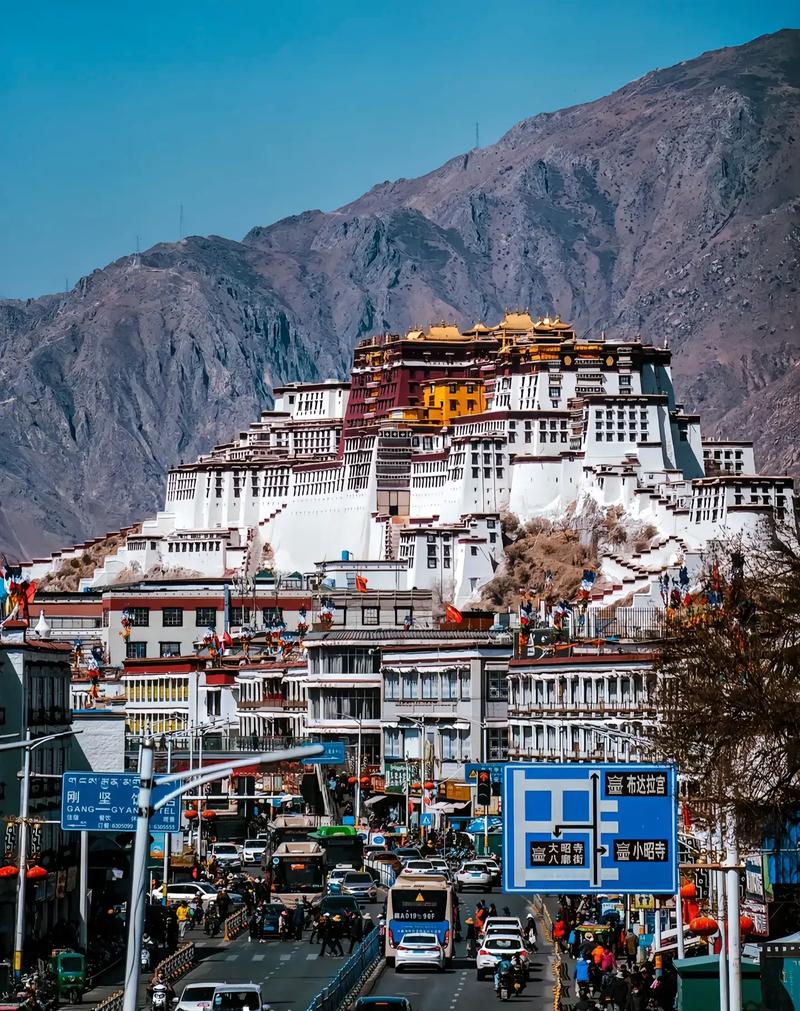
Tibet is one of China's most famous travel destinations, but it also requires the most advance planning. Foreign tourists cannot enter Tibet independently – they must go through a licensed travel agency and join an organized tour.
1. What is the Tibet Travel Permit?
The Tibet Travel Permit (officially the "Foreigners' Travel Permit to Tibet", or TTP) is issued by the Tibet Tourism Development Bureau. It is not a visa, but a specific government-issued travel permit.
Who needs it?
• All foreign passport holders (including ethnic Chinese with foreign passports)
• Taiwanese compatriots holding Mainland Travel Permits
• Residents of Hong Kong and Macau with SAR passports or Home Return Permits do not need it.
2. Application process
Foreign tourists cannot apply on their own – they must use a local Tibet travel agency with foreign guest reception qualifications.
Required documents:
• Scanned copy or clear photo of passport bio page
• Scanned copy of Chinese visa page
• Personal details (name, nationality, gender, date of birth, occupation, passport number)
• Planned entry date, duration, and rough itinerary
Processing time:
Normally 2–4 working days. But it's strongly recommended to start at least 20–30 days in advance to arrange flights, hotels, and other logistics.
Current policy updates:
• Since March 2026, both train and air passengers entering Tibet must present the original Tibet Travel Permit to purchase tickets and board – in previous years, a copy sufficed for train travel.
• In previous years, March was a "special month" when permits were not issued, but as of March 13, 2026, normal processing has resumed.
3. Travel restrictions
• Must be on a group tour – independent travel is not allowed; your agency arranges transport, accommodation, guide, and itinerary.
• Minimum group size of 2 – generally you need at least two people to form a group.
• Permit is itinerary-bound – your actual route must match the permit; changes must be coordinated with the agency in advance.
4. Which areas are open?
Not all of Tibet is open to foreign tourists. Currently, the main accessible areas include:
• Lhasa (Potala Palace, Jokhang Temple, etc.)
• Namtso Lake
• Shigatse (Tashilhunpo Monastery, Gyantse old town, etc.)
• Everest Base Camp
• Nyingchi region (Basumtso, Bomi, Midui Glacier, Ranwu Lake, etc.)
• Some parts of Ngari (Mount Kailash, Lake Manasarovar – certain areas require additional approval)
Since June 2025, additional Foreigner Travel Permits are no longer required for some standard routes:
• Nyingchi (e.g., Basumtso, glaciers in Bomi County)
• Shigatse (e.g., Everest Base Camp and Gyirong)
• Shannan (e.g., Samye Monastery)
• The classic G318 Sichuan-Tibet highway route
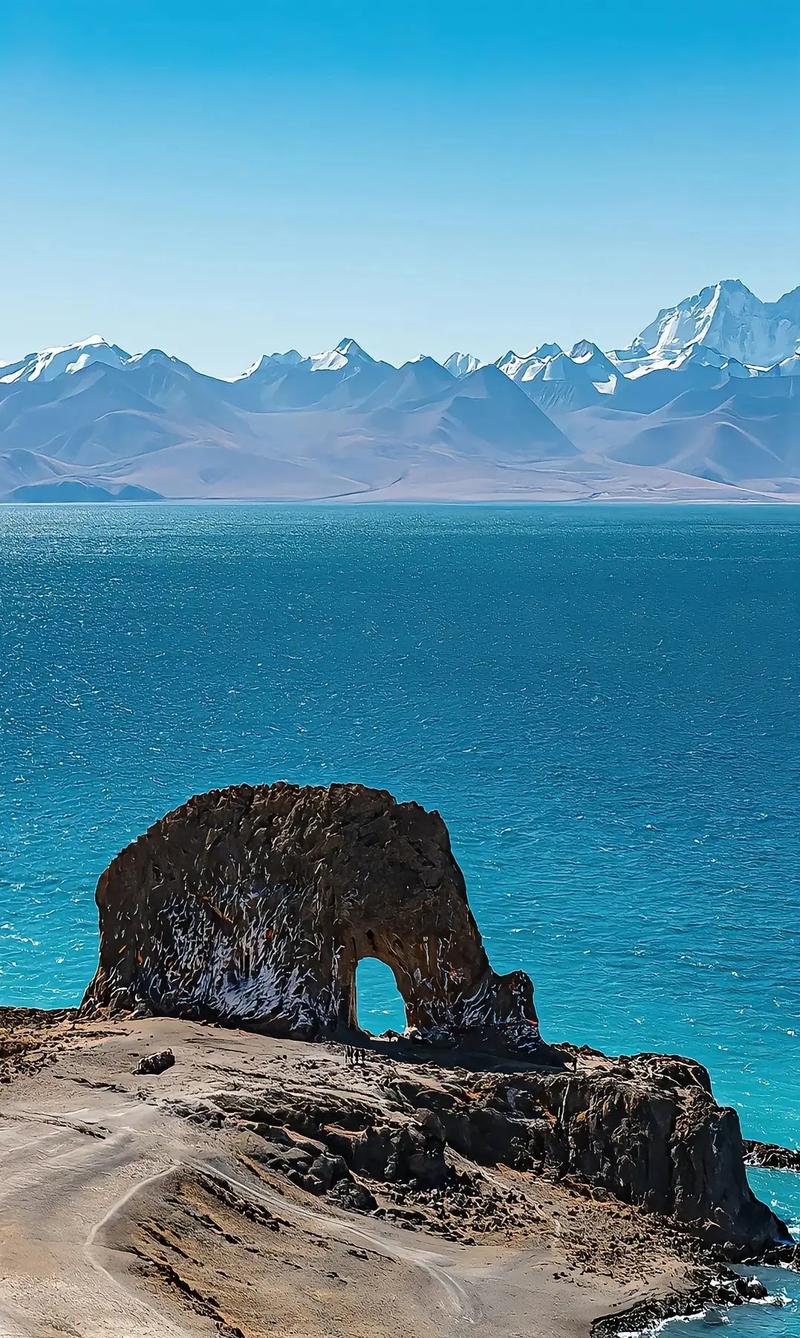
5. Important reminders
• The permit is usually held by your tour guide during the trip and collected by the agency at the end.
• Foreign journalists and diplomats cannot enter Tibet as tourists – they must apply through foreign affairs channels.
• For border areas like Everest or Ngari, you'll also need a Border Defense Permit.
- Xinjiang Uygur Autonomous Region: Mostly Open, Border Areas Need Permits
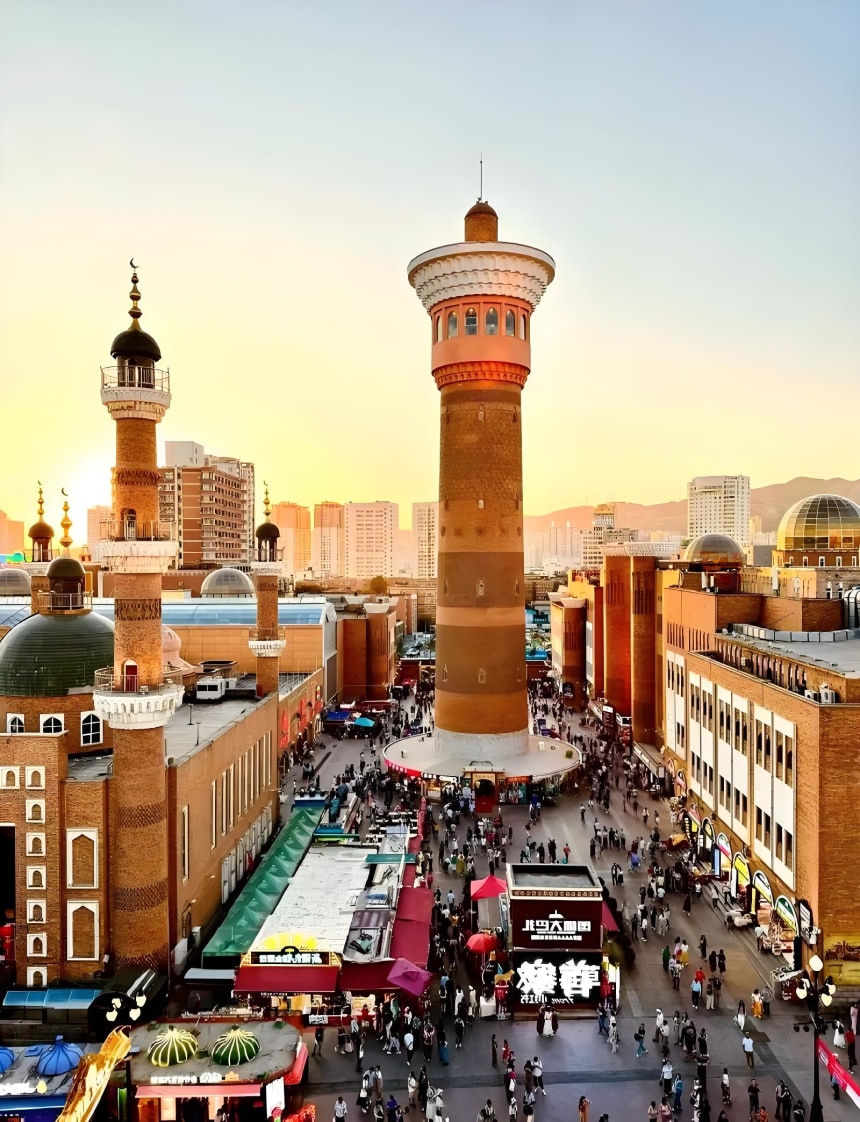
Xinjiang is open to both domestic and foreign tourists – there are no special restrictions targeting foreigners. You can freely visit major cities and popular attractions such as Ürümqi, Kashgar, Turpan, and Karamay.
1. Visa first
The basic requirement for visiting Xinjiang is a valid passport and Chinese visa. A tourist visa (L-visa) is typically valid for 3 months with a 30-day stay.
Many nationalities enjoy visa-free access:
• Mutual visa exemption – Kazakhstan, Uzbekistan, Azerbaijan, UAE, Malaysia, Singapore, Thailand, etc.
• Unilateral visa exemption (valid until December 31, 2026) – France, Germany, Italy, Spain, Netherlands, South Korea, etc.
2. Border areas require an electronic Border Defense Permit
If you plan to visit Xinjiang's border management zones (such as Tashkurgan County in Kashgar, Khunjerab Pass, Baihaba Village, the Pamir Plateau, etc.), you must obtain an electronic Border Defense Permit.
Areas completely off-limits to foreigners:
• Habahe County and Baihaba Village
• Bayinbuluke
• Lop Nur core zone
• Militarily controlled border areas and closed sections of G217/G219 highways
Duku Highway – foreign tourists can currently only travel the northern section (Dushanzi → Nalati) ; the middle and southern sections are completely closed due to the Bayinbuluke restricted zone.
Yizhao Highway – fully open to permit-holding foreign tourists, but you need both an electronic Border Defense Permit and a Temporary Driving Permit.
Wakhan Corridor – foreign tourists can only reach the designated viewing platform within Tashkurgan County; the deeper areas, the border line, and surrounding valleys are permanently off-limits.
3. How to apply for the Border Defense Permit
• Location – apply in person at the Border Management Brigade in Ürümqi, Kashgar, or other cities
• Documents – passport, 1 passport-sized photo
• Fee – approximately 20–50 RMB, issued on the same day
• Important – foreigners cannot apply online; you must visit the designated public security exit-entry department in person.
4. Group tour or independent travel?
In open areas, foreign tourists can travel independently. However, in border zones and mountain highways (like Duku Highway and Yizhao Highway), foreign tourists generally need to register through a licensed travel agency, especially for self-drive trips. Most local Xinjiang tour groups do not accept foreign guests (due to hotel and attraction restrictions), so you need to confirm this when booking.
- Border Defense Permit System (Fully Digitalized in 2026)
Beyond Tibet and Xinjiang, China borders 14 countries, and many border areas are designated as border management zones requiring permits for entry.
1. Major change in 2026: Electronic Border Defense Permit fully launched
From April 15, 2026, the National Immigration Administration officially launched the Electronic Border Defense Permit nationwide, while ceasing issuance of paper permits. Existing paper permits remain valid until expiry.
This marks the digitalization of the decades-old paper-based border permit system.
2. Who needs it?
Anyone aged 16 or above visiting a border management zone for family visits, study, tourism, business, or official purposes must apply for an Electronic Border Defense Permit.
3. How foreigners apply
Foreigners cannot apply online – they must visit a public security exit-entry department or designated police station at or above county level in person.
Required documents:
• Valid passport
• Or other international travel document
• Or Mainland Travel Permit for Hong Kong/Macau Residents (non-Chinese citizens)
• Or Foreign Permanent Resident ID Card
Processing time:
• If documents are complete and compliant, issued on the spot
• If further verification is needed, decision within 10 working days from submission
• Free of charge
4. Which border areas require a permit?
Northeast China – Liaoning, Jilin, Heilongjiang (China-North Korea and China-Russia border areas)
Northwest China – Xinjiang, Gansu, Inner Mongolia (border areas)
Southwest China – Tibet, Yunnan, Guangxi (border areas)
Common border zones requiring permits include:
• China-North Korea border – near Tumen River, parts of Dandong outskirts
• China-Myanmar border – parts of Dehong and Nujiang in Yunnan
• China-India/Bhutan/Nepal border – parts of Tibet and southern Xinjiang
• China-Afghanistan border – the Wakhan Corridor area in western Xinjiang
5. Special note: Foreigner Travel Permit
In addition to the Electronic Border Defense Permit, foreigners visiting border management zones not open to foreigners must also hold a Foreigner Travel Permit issued by the public security authorities. This means some border zones still require additional clearance even with the standard permit.
6. What happens if you enter a restricted zone without permission?
• Immediate removal or deportation
• Fines of 500–5,000 RMB
• Possible placement on a no-entry blacklist
- Other Restricted Areas to Be Aware Of
1. Tibetan autonomous prefectures outside Tibet
Tibetan culture extends beyond Tibet into western Sichuan, Qinghai, Gansu, and Yunnan. These areas are generally open to foreigners without a Tibet Travel Permit, but some locations have temporary restrictions.
• Serthar Buddhist Institute (Larung Gar) in western Sichuan – certain areas periodically close or restrict foreign visitors due to construction or other reasons
• Yarchen Buddhist Institute – similar restrictions apply
• Amdo and Kham regions – sometimes restrict photography or access to certain monasteries
These restrictions are usually temporary. Check with locals or your travel agency before departure.
2. Military zones and special security areas
China has certain areas that are not open to the public, including:
• Military bases and installations
• Ammunition depots and fuel storage
• Military airfields, naval bases, strategic missile bases
• Certain islands and coastal areas
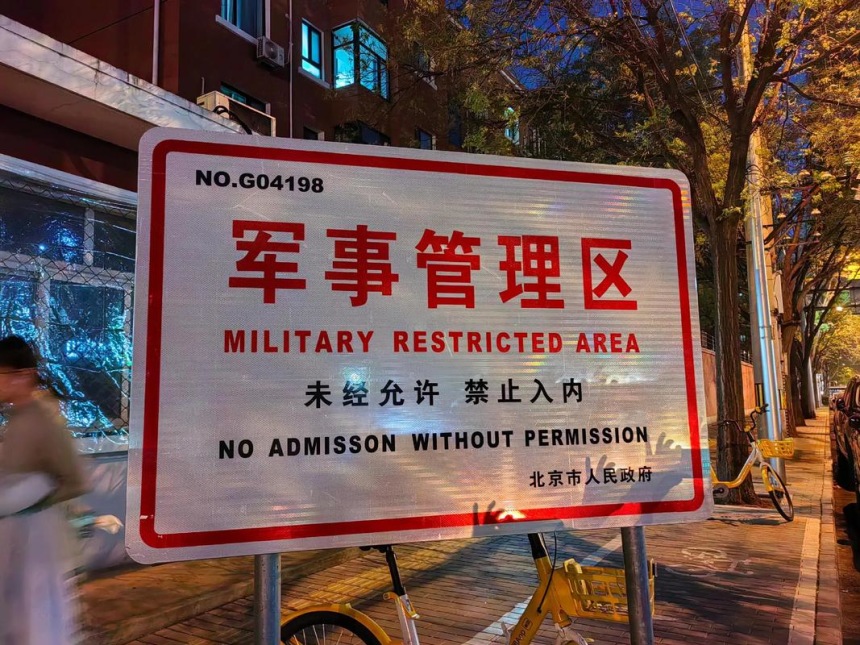
These areas are rarely marked on maps, but on-site signs will indicate "No Entry" or "No Photography." Accidental entry usually results in a polite request to leave and no serious penalties, but it's always best to stick to marked trails and scenic areas.
3. Special considerations for Hong Kong and Macau
Although Hong Kong and Macau are part of China, they operate separate immigration systems. Travel between mainland China and Hong Kong/Macau requires crossing checkpoints.
Critical reminder: Most foreigners can visit Hong Kong or Macau visa-free, but if you plan to re-enter mainland China afterward , make sure your Chinese visa is multiple-entry. Many travelers are caught off guard when their single-entry visa becomes invalid after a side trip to Hong Kong.
- How to Plan Your Trip
1. Do your homework in advance
• Tibet: start your permit application at least 1 month before departure
• Border areas: confirm whether you need an Electronic Border Defense Permit or Foreigner Travel Permit
• Call the 12367 National Immigration Administration hotline for the latest policy updates
2. Choose the right travel agency
• Tibet permits must be arranged through a licensed local Tibet travel agency
• For Xinjiang border tours, confirm the agency has experience hosting foreign guests
• Verify the agency's license before booking
3. Carry your documents at all times
• In Tibet, carry your passport and a copy of your Tibet Travel Permit
• In border areas, carry your passport and Electronic Border Defense Permit (on your phone or printed)
• Cooperate with inspections at checkpoints – border checks are routine, not personal
4. Stay aware of temporary changes
• After natural disasters (earthquakes, floods), some areas may temporarily restrict foreign access
• In winter, remote areas may be closed for safety reasons
• These restrictions often appear without warning and disappear quietly – check with local hotels or tourism bureaus before you go
- Final Thoughts
From the rice terraces of Yunnan to the Great Wall, from the grasslands of Inner Mongolia to the karst peaks of Guangxi, the vast majority of China is completely open to travelers. Only a small number of areas are restricted, mostly in remote regions or for understandable protection and management reasons.
The principle is simple: plan ahead, stay informed, respect local laws, and don't try to enter restricted areas without permission. China is vast, with countless spectacular places to explore without special permits – enough to keep you traveling for years.
Got more questions about your trip to China? Drop them below – I'm happy to help!

I'm Yuan, a local tour guide registered on tourHQ, based in Shanghai and covering the Yangtze River Delta region (including Suzhou, Hangzhou, Nanjing, and beyond). I don't just take you to the famous sights – I'll bring you to hidden alleyway eateries, share stories that never make it into guidebooks, and craft a journey that fits your pace and interests.
Ready to explore the real China with a local? Click on my profile now to learn more!
Let me help make your China trip truly unforgettable – see you soon!