


- Understanding China‘s Climate: What to Pack by Season
China’s weather varies dramatically by region and season. Here‘s what to pack for each season:

1. Spring (March to May)
Spring weather can be unpredictable. Pack a light windbreaker or denim jacket, long-sleeve T-shirts, thin sweaters, and jeans. In southern areas like Guangdong, frequent rain means a compact umbrella is useful. In northern regions, occasional dust storms may occur — a dust mask can be helpful.
2. Summer (June to August)
Summer in China is generally hot and humid. Bring breathable T-shirts, shorts, dresses, and sun-protective clothing. Essentials include sunscreen (SPF 50+), insect repellent, sunglasses, and a sunhat. Flip-flops are convenient for hotels or beach destinations. Don‘t forget a portable fan — handheld fans are allowed on trains (just don’t use them onboard).
3. Autumn (September to October)
Days are mild with cooler evenings. Pack knit cardigans, a lightweight down jacket, comfortable sneakers for walking, and a scarf for temperature changes. This is arguably the best time to visit most of China — comfortable weather and beautiful fall colors.
4. Winter (November to February)
In northern China, temperatures can drop below freezing. Bring a thick down coat, thermal underwear, a wool scarf, gloves, and snow boots. Southern cities are milder but often damp and lack indoor heating — a lined jacket and warm layers are recommended. Hand warmers and heat patches can make a big difference.
- Regional Considerations
• Northern China (Beijing, Xi‘an, Harbin, etc.) — Staying warm in winter is essential. Down jackets, thick hats, gloves, and insulated boots are necessary. The air is dry, so moisturizer and lip balm are highly recommended.

• Southern China (Guangzhou, Shenzhen, Hainan, etc.) — Hot and humid year-round. Pack breathable, lightweight clothing and extra changes. During the rainy season, waterproof shoes and a foldable umbrella are essential.

• High-altitude regions (Tibet, Qinghai, Yunnan, Guizhou, Sichuan) — Regardless of season, bring a warm jacket, sun-protective clothing, sunglasses, and a wide-brimmed hat. UV radiation is strong, and day-night temperature differences can be significant. Some travelers take Rhodiola supplements about a week before arrival to help reduce the risk of altitude sickness.
- The Essentials: What You Absolutely Must Bring
1. Documents and Money
Here‘s the non-negotiable list:
• Passport — valid for at least 6 months with at least 2 blank visa pages
• Visa — printed copy of your visa or visa-free entry confirmation
• Printed flight itinerary and hotel bookings — border officers may ask to see them
• Travel insurance — medical coverage is strongly advised
• Cash — 1,000–2,000 RMB in small bills as backup (around $140–280 USD)
• International credit/debit cards — Visa and Mastercard are best
• Hotel address in Chinese characters — saved on your phone to show taxi drivers
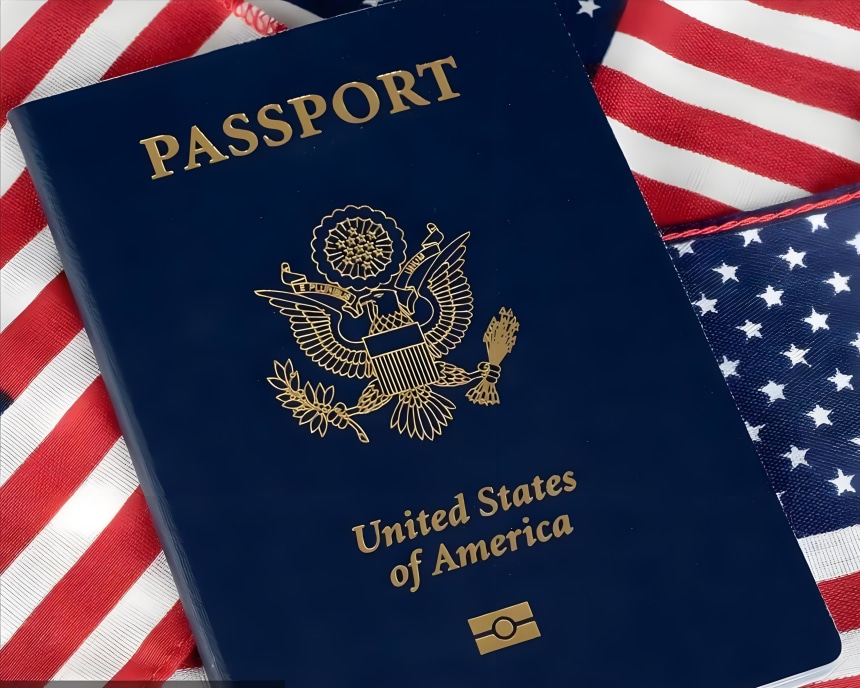
Pro tip: Keep all documents in a waterproof document pouch and carry it in your daypack, not your checked luggage.
2. Electronics and Connectivity
• Smartphone — your most important travel tool
• Charging cables — bring extras; they‘re small and easy to lose
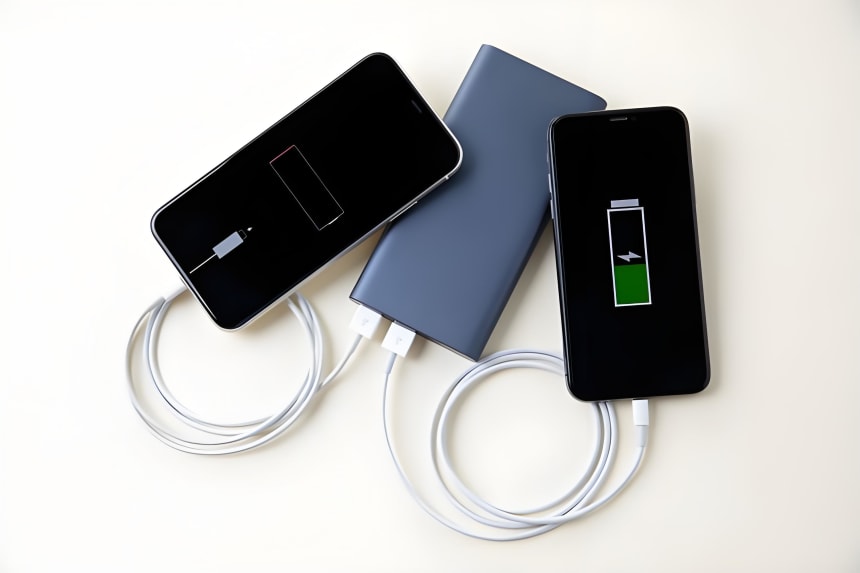
• Power bank — under 100Wh, carry-on only, with clear 3C certification mark. China’s domestic flights have strict rules on this
• Universal travel adapter — China uses Type A (two flat pins) and Type I (three flat pins) plugs, 220V
• Pre-paid SIM card or eSIM — set up before you fly so you‘re connected on arrival
• VPN — set up BEFORE you arrive in China
3. Health and Toiletries
• Personal medications — pain relief, allergies, digesti
ve iss
ues, and any prescription drugs. Bring enough for your entire trip
• Aspirin/Paracetamol — sometimes hard to buy at Chinese drugstores (they may refuse foreign passports)
• Hand sanitizer, tissues, and wet wipes — many public toilets don‘t provide toilet paper
• Travel-size toiletries — single bottles must be under 100ml for carry-on
• Insect repellent — essential for southern regions
• N95/KN95 masks — useful for air quality days or dust storms
• First-aid kit — plasters, antiseptic wipes, and basic supplies

4. Clothing and Footwear
• Comfortable walking shoes — you‘ll walk a lot in China
• Layered clothing — easy to add or remove as temperatures change
• Quick-dry fabrics — especially useful in humid southern summers
• One or two nicer outfits — for nicer restaurants or evenings out
- What NOT to Bring: The “Leave It at Home” List
• Too many clothes — for a 3-5 day trip, pack 3-4 outfits maximum. Most people overpack and end up wearing the same few items. Choose versatile, mix-and-match pieces.
• Large toiletries — single bottles over 100ml won‘t make it through carry-on security. Use small travel-size bottles or buy what you need in China. Most hotels provide basic toiletries.
• Valuables and expensive jewelry — not worth the risk of loss or theft in crowded tourist areas.
• Excessive snacks — China has plenty of food options everywhere. Bring just one or two small items for emergencies.
• Heavy books or guidebooks — use your phone instead. Download offline maps and translation apps.
• Items you can easily buy in China — things like pens, basic underwear, sunscreen, contact lens solution, and deodorant are available. However, beard trimmers, hair gel, and men‘s deodorant can be harder to find.
- What‘s Strictly PROHIBITED in China
1. Items you cannot bring into China at all:
• Firearms, ammunition, and explosives — strictly forbidden
• Illegal drugs and narcotics — including marijuana, cocaine, heroin, and other addictive substances
• Endangered species and their products — including ivory, shark fins, certain animal parts, and live animals like ants
• Fake/counterfeit goods — prohibited
• Subversive materials — content that threatens China‘s political or social order
2. Items with strict quantity limits:
• Cash — up to 20,000 RMB per person per entry (or equivalent in foreign currency)
• Alcohol — personal use quantities only; commercial quantities require declaration
• Cigarettes — generally limited to 200 cigarettes (one carton) duty-free
If you‘re unsure about an item, declare it. When in doubt, choose the “Red Channel” at customs and ask.
- What You CAN‘T Bring on a Plane (But Can Check)
1. Items that must be checked (cannot be carried on):
• Knives and sharp objects — any blade over 6cm must be checked
• Tools — screwdrivers, wrenches, scissors, box cutters
• Sports equipment — baseball bats, golf clubs, trekking poles
• Large liquids — any container over 100ml must be checked
• Alcohol — under 24% alcohol: unlimited; 24%-70%: up to 5L total; over 70%: prohibited
2. Items you CANNOT check but CAN carry on:
• Power banks and spare lithium batteries — carry-on only, under 100Wh
• Valuables — passports, cash, jewelry, electronics
3. Items you CANNOT bring at all (carry-on or checked):
• Lighters — prohibited on both carry-on and checked luggage
• Self-heating meals — the chemical heating packs are banned
• Flammable liquids and gases — gasoline, paint thinner, etc.
- Packing Tips for a Smoother Trip
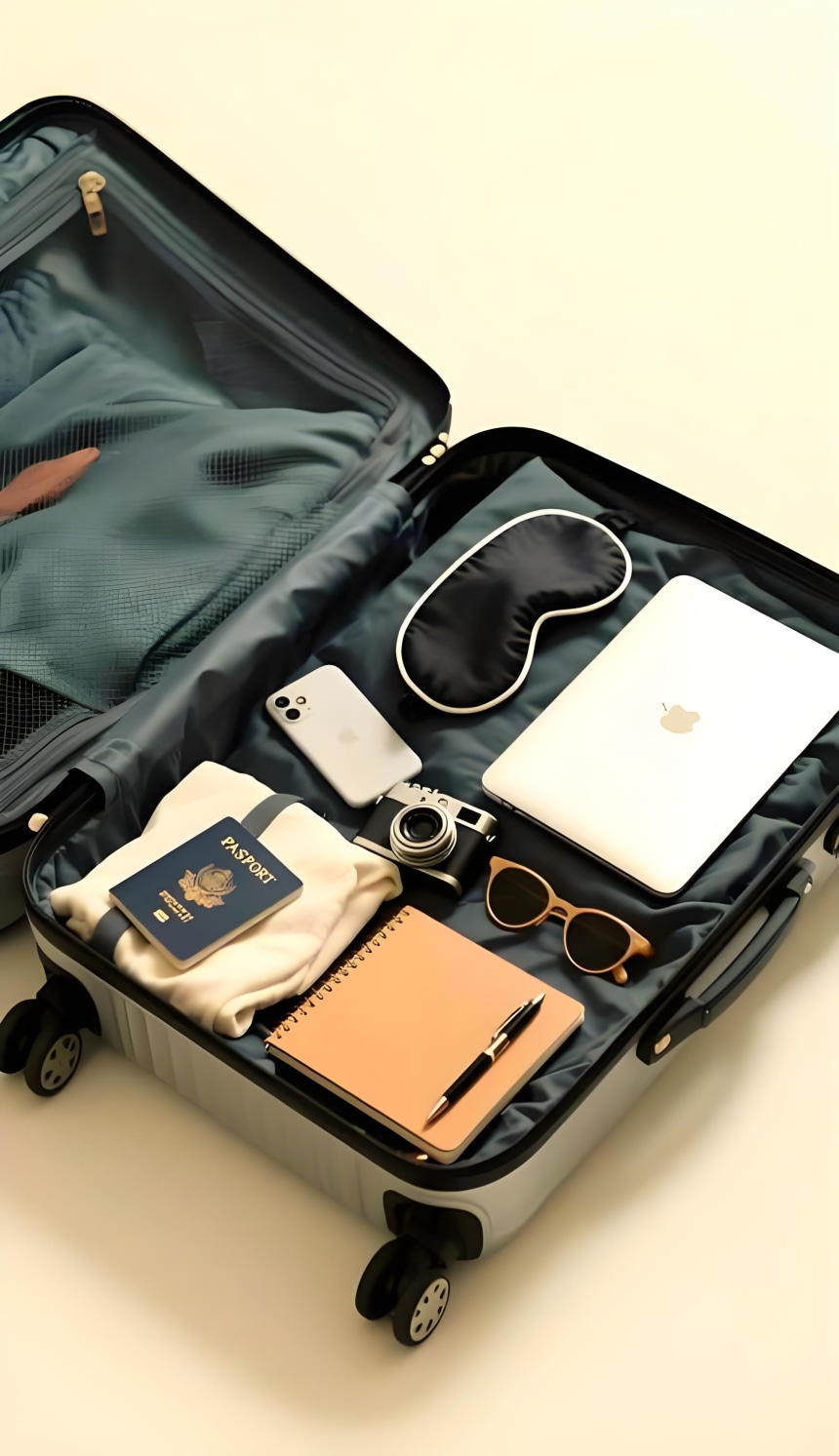
• Choose the right luggage — for a 3-5 day trip, a 20-inch carry-on works; for 7+ days, use a 24-inch checked bag plus a daypack.
• Make a checklist — separate “must-bring” (documents, medications, chargers) from “nice-to-have”.
• Wear your heaviest items — wear your thick coat and heaviest shoes on the plane to save suitcase space.
• Pack a change of clothes in your carry-on — in case your checked luggage is delayed.
• Download essential apps before you arrive — Alipay, WeChat, Amap (or Baidu Maps), DiDi, a translation app, and a VPN. Google Play is blocked in China, so do this before you fly.
• Check your airline‘s baggage policy — domestic flights in China often have stricter weight limits (5-8kg for carry-on) than international flights. Different airlines have different rules.
- FAQ: Quick Answers to Common Questions
• Do I need to bring toilet paper? Yes, many public toilets don‘t provide it. Carry tissues or wet wipes.
• Can I use my hairdryer in China? Check the voltage — China uses 220V. If your device is 110V only, you‘ll need a voltage converter.
• Should I bring a VPN? Yes. Set it up before you arrive in China.
• Can I bring prescription medication? Yes, for personal use with a doctor‘s prescription. Keep it in its original packaging.
• What about contact lens solution? Bring it — it‘s available in China but may be harder to find in your brand.
Got more questions about your trip to China? Drop them below – I‘m happy to help!

I‘m Yuan, a local tour guide registered on tourHQ, based in Shanghai and covering the Yangtze River Delta region (including Suzhou, Hangzhou, Nanjing, and beyond). I don‘t just take you to the famous sights – I‘ll bring you to hidden alleyway eateries, share stories that never make it into guidebooks, and craft a journey that fits your pace and interests.
Ready to explore the real China with a local? Click on my profile now to learn more!
My profile: https://www.tourhq.com/guide/CN38750/yuan-shen
Let me help make your China trip truly unforgettable – see you soon!