

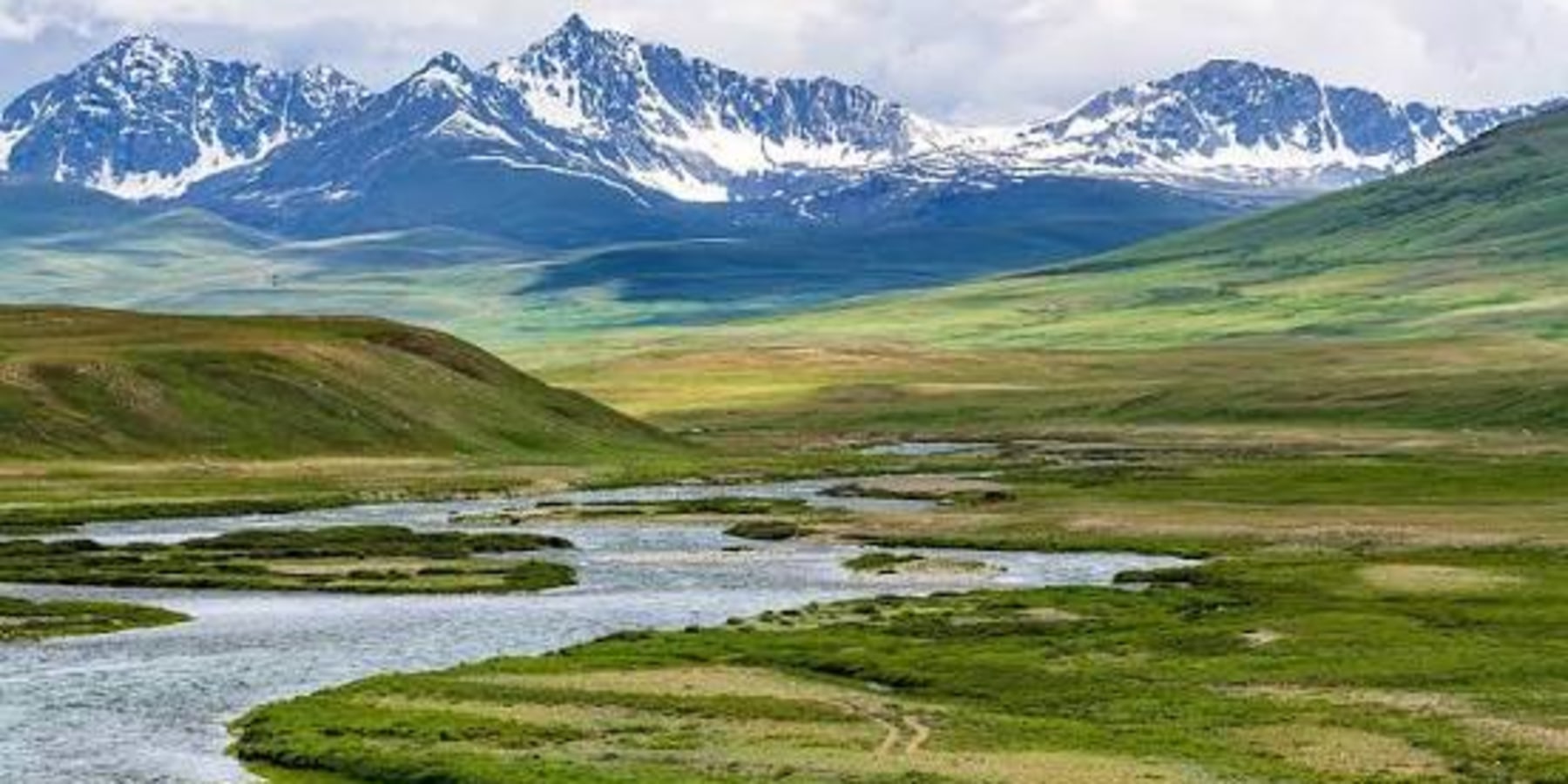

This guide is for international travelers who are choosing when to visit Pakistan. It gives a month-by-month table, shows which roads and passes are open in each season, explains the monsoon, and tells you what to book and when. We run tours in the northern areas and from Islamabad and Rawalpindi, so this guide covers those parts of Pakistan.
Best Months to Visit Pakistan by Season:
| Season | Months | Best for | What to know |
|---|---|---|---|
| Spring | March to May | Blossom, green valleys, mild cities | Hunza cherry and apricot blossom peaks in early to mid April. Babusar Top and Deosai are still closed. |
| Summer | June to August | All routes open, Deosai, long days | Busiest and most expensive months. Monsoon rain brings landslide risk. Islamabad is very hot. |
| Autumn | September to October | Best overall: colour, clear skies, fewer crowds | Hunza turns gold and red. Deosai is open in September. Hotel prices fall after mid August. |
| Winter | November to February | Snow, quiet valleys, low prices | Hunza and Skardu city stay reachable by the Karakoram Highway. Babusar, Deosai and the Khunjerab top are closed. |
Pakistan Weather and Travel Conditions Month by Month:
Islamabad figures are average daily high and low temperatures. Mountain conditions come from our own trips and from road and snow closures reported each year.
| Month | Hunza and Skardu | Naran, Swat and Neelum | Islamabad (high / low) |
|---|---|---|---|
| January | Cold and quiet. Roads open on the KKH. Khunjerab and Deosai closed. | Snow in the hills. Babusar and Saif-ul-Malook closed. | 18 °C / 4 °C |
| February | Cold. Snow on the peaks, valley floor mostly clear. | Snow closures in upper Neelum. Naran road limited. | 20 °C / 7 °C |
| March | Late winter. First signs of spring in lower Hunza. | Cold nights. High routes still snowbound. | 25 °C / 11 °C |
| April | Best Cherry and apricot blossom in lower Hunza, usually early to mid April. | Green landscapes as snow melts. Babusar still closed. | 31 °C / 17 °C |
| May | Warm and green. Deosai still closed. | Naran and Saif-ul-Malook open. Babusar opens May or June, depending on snow. | 36 °C / 22 °C |
| June | All main sites open. Deosai opens during the month. | All routes open. Weekends get crowded. | 38 °C / 25 °C |
| July | Peak season. Deosai wildflowers peak in late July. Rain can block roads. | Heavy rain, landslides and traffic jams on the Babusar road. | 35 °C / 25 °C, very wet |
| August | Peak season. Check road status daily. | Same as July. Eid or holidays can add heavy traffic. | 34 °C / 24 °C, very wet |
| September | Best Stable weather, Deosai still open, fewer tourists. | All routes open, cooler, fewer crowds. | 33 °C / 22 °C |
| October | Best Autumn colour in Hunza. Deosai closed. | Babusar and Saif-ul-Malook close with the first heavy snow. | 31 °C / 16 °C |
| November | Cold nights. Khunjerab closes to tourists around the end of the month. | Babusar closed. Neelum upper areas can close with snow. | 25 °C / 9 °C |
| December | Winter. Valleys quiet, hotels cheaper. | Snow in the hills. | 20 °C / 5 °C |
Islamabad climate figures are from the long-term averages published for the city. Always check the weather forecast for your exact dates.
Which Roads and Passes Are Open and When:
In the northern areas, a closed road matters more than the weather. Check this table before you fix dates.
| Route | Usually open | Closed | Note |
|---|---|---|---|
| Karakoram Highway (KKH / N-35) | All year | Rockslide closures only | Blocks last hours to days. Most common in July and August. |
| Babusar Top (Naran to Chilas) | May or June to October | November to May or June | In 2025 it reopened in late May after about seven months of snow closure. Dates change each year. |
| Deosai Plains | June to September | October to May | Road is buried in snow in winter. |
| Khunjerab Pass (China border) | Tourist visits usually May to November | Usually December to April for tourists | The border moved to year-round trade and travel on 1 December 2024. Tourist access to the top still depends on snow, so confirm before you go. |
| Saif-ul-Malook road | May to October | November to April | Jeep road. Closes with the first heavy snow. |
| Skardu flights | Scheduled all year | Weather cancellations | Cancellations are common in winter and monsoon. Keep a road backup. |
Our guide to the best time to visit Hunza, Skardu and Naran goes deeper on each of these three destinations.
Best Time to Visit Pakistan by What You Want to See:
First trip to Hunza and Skardu: September to October. Settled weather, autumn colour, and all main roads open.
Cherry and apricot blossom: early to mid April in lower Hunza. The peak lasts only 10 to 14 days and depends on the weather.
Autumn colour: late September to October in Hunza.
Deosai Plains and wildflowers: July and August, with late July the peak. Deosai is open June to September only.
Naran, Saif-ul-Malook and Babusar Top: June to September for full access.
Snow, quiet valleys and low prices: November to February, in Hunza and Skardu city.
Islamabad and Rawalpindi city visit: October to April, when days are mild. May to August is hot.
Monsoon in Pakistan: What It Means for Your Trip:
The monsoon brings the heaviest rain from July to September. Islamabad records more than 300 mm of rain in each of July and August. In the mountains the main risks are landslides, flooded streams and damaged bridges, and these can close roads for hours or days. Naran and the Kaghan area are more affected than Hunza and Skardu, which sit in a drier zone but still see rockslides on the KKH.
In August 2025, floods and landslides damaged parts of the Karakoram Highway and several bridges in Gilgit-Baltistan, and the national disaster authority advised travelers to avoid non-essential travel to affected areas. Such events are not every year, but they show why buffer days matter in July and August.
How to travel safely in July and August:
Keep your plan flexible. Add 1 to 2 spare days, and avoid tight flight connections after the trip.
Follow official road updates. If a road is closed, wait or take a safe alternative. Do not use unverified side routes.
Travel with a local driver or guide who knows the roads and where to wait out a closure.
Carry medicine, water and snacks, and keep a local SIM and emergency numbers saved. Phone and internet service can fail after a landslide.
Tell the hotel and your tour operator your route each morning in remote areas.
Book hotels with flexible dates for the busy weeks.
If you want more room for the unexpected, a private tour with a 4x4 and driver lets you change the route on the day.
Crowds, Prices and When to Book:
July and August: highest prices and the most traffic, especially on weekends on the Naran and Babusar road. Book hotels in Karimabad 4 to 6 weeks ahead.
September and October: fewer tourists and lower hotel prices than peak summer.
Eid and public holidays: domestic travel jumps and roads to Naran and Murree become congested. Eid and Ramadan dates move earlier each year, so check them when you choose dates.
Winter: some hotels in the mountains close for the season. Ask before you book.
Plan Your Visa Before You Pick Your Dates:
Apply for your visa well before your travel dates. For foreign clients on a tour visa, we provide an invitation letter or a tour booking confirmation to support the application. We do not handle the visa itself. Check the current visa rules on the official Pakistan government visa portal or with the embassy in your country.
Which Month Should You Choose?
Choose September or October if you can pick freely. It is the best mix of weather, colour, price and open roads.
Choose June to August if your holidays are fixed. Plan flexible days for rain and road closures.
Choose April for blossom in Hunza. Do not add Naran or Deosai in April, as both are closed.
Choose November to February for snow and quiet. Expect closed high passes and weather delays on Skardu flights.
Ready to look at routes and prices? See the 5-day Hunza tour, the 6-day Skardu and Deosai tour, or the 8-day Hunza and Skardu combo. To budget your trip, use the tour cost calculator, and use our packing checklist for each season.