

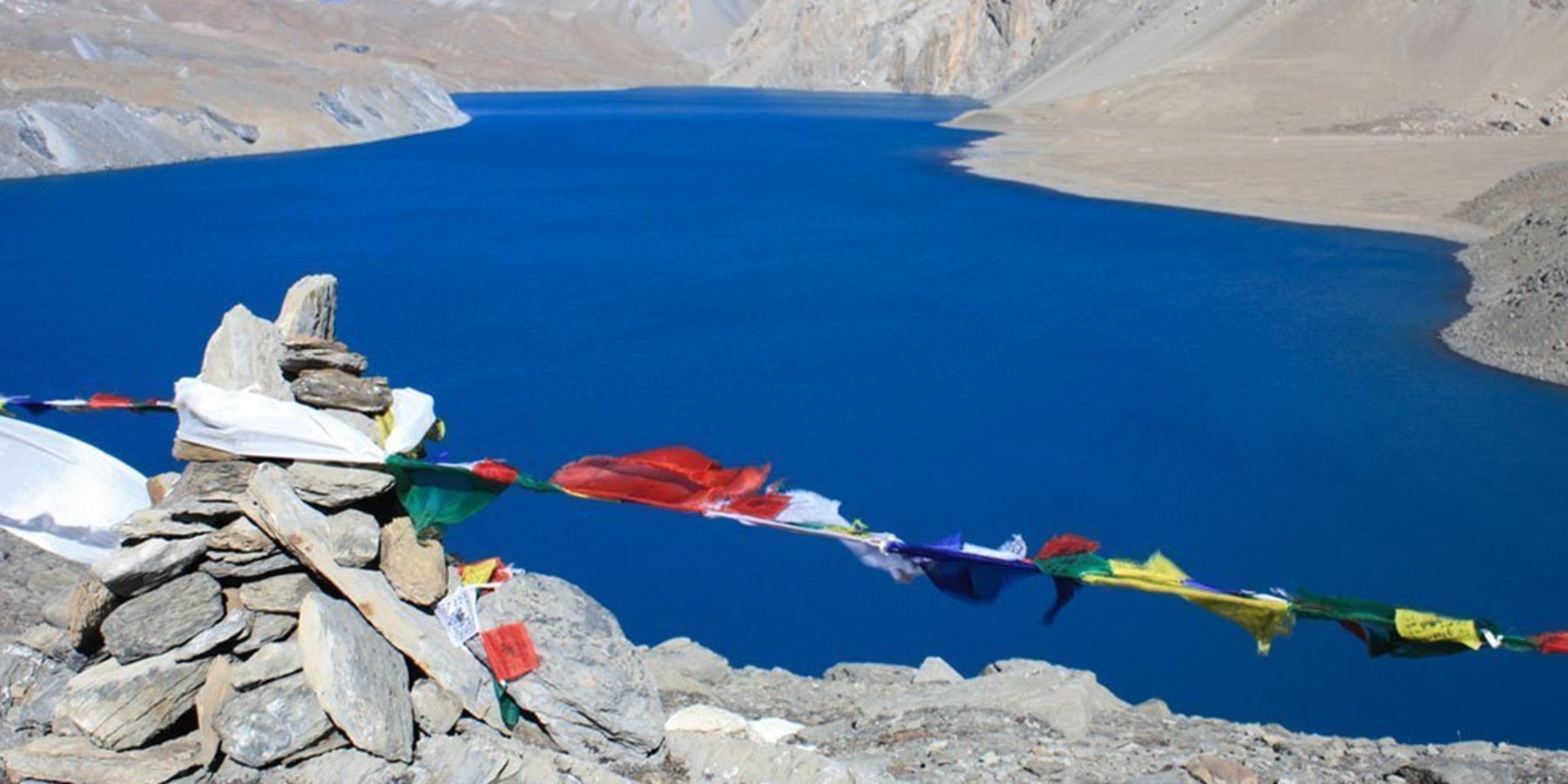

Nepal is one of the world's great trekking destinations, with trails leading through Himalayan valleys, traditional villages, forests, high mountain passes, and some of the highest peaks on Earth.
One of the most common questions travelers ask is: When is the best time to trek in Nepal?
For most trekking routes, spring and autumn are considered the best seasons, but Nepal can be explored throughout the year depending on the region and type of experience you want.
Spring: March to May
Spring is one of the most popular trekking seasons in Nepal.
The weather becomes warmer, days are generally pleasant, and the hills come alive with blooming rhododendrons. Mountain views are often excellent, especially during the mornings.
Spring is a great time for popular treks such as:
Everest Base Camp Trek
Annapurna Base Camp Trek
Manaslu Circuit Trek
Langtang Valley Trek
Annapurna Circuit Trek
April and May are also important months for mountaineering expeditions in Nepal.
For travelers who enjoy warmer temperatures, colorful forests, and active trekking trails, spring is an excellent choice.
Autumn: September to November
Autumn is generally considered the best trekking season in Nepal.
After the summer monsoon, the air becomes cleaner, skies are clearer, and mountain visibility is usually outstanding.
October and November are particularly popular for trekking in the Everest, Annapurna, Manaslu, and Langtang regions.
Daytime temperatures are comfortable in many areas, although mornings and nights become colder as you climb higher.
The main advantage of autumn is the combination of stable weather and beautiful Himalayan views.
However, popular routes can also be busier during this period, so advance planning is recommended.
Winter: December to February
Winter trekking in Nepal can be a wonderful experience for travelers who prefer quieter trails.
The skies are often clear and mountain views can be spectacular. Lower-altitude routes remain suitable for trekking, although temperatures become very cold at higher elevations.
Treks around Poon Hill, Mardi Himal, Kathmandu Valley, and some lower sections of the Annapurna and Everest regions can be enjoyable during winter.
High mountain passes may receive heavy snowfall, so longer routes such as the Manaslu Circuit or Annapurna Circuit require careful planning.
Winter is best for travelers who do not mind cold weather and would like to experience Nepal with fewer trekkers on the trails.
Monsoon: June to August
The summer months bring the monsoon to much of Nepal.
Trails can become wet and muddy, clouds may limit mountain views, and flight delays are more common in some regions.
However, monsoon trekking also has advantages.
The countryside becomes beautifully green, waterfalls are powerful, and there are far fewer trekkers.
Some Himalayan regions located in the rain shadow receive much less rainfall and can be good options during the summer months.
Travelers visiting Nepal during monsoon simply need to select their trekking route more carefully.
So, Which Month Should You Choose?
For first-time trekkers, October, November, April, and May are among the easiest months to recommend.
If your priority is clear mountain views and stable weather, autumn is usually the strongest choice.
If you enjoy warmer conditions, flowers, and spring landscapes, March to May can be ideal.
For quieter trails and lower prices, winter may be worth considering.
The best time ultimately depends on your chosen trek, altitude, fitness level, and the kind of Himalayan experience you want.
Nepal changes beautifully with every season. Choosing the right time will help you enjoy not only the mountains, but also the villages, landscapes, culture, and everyday life that make trekking in Nepal such a memorable experience.