

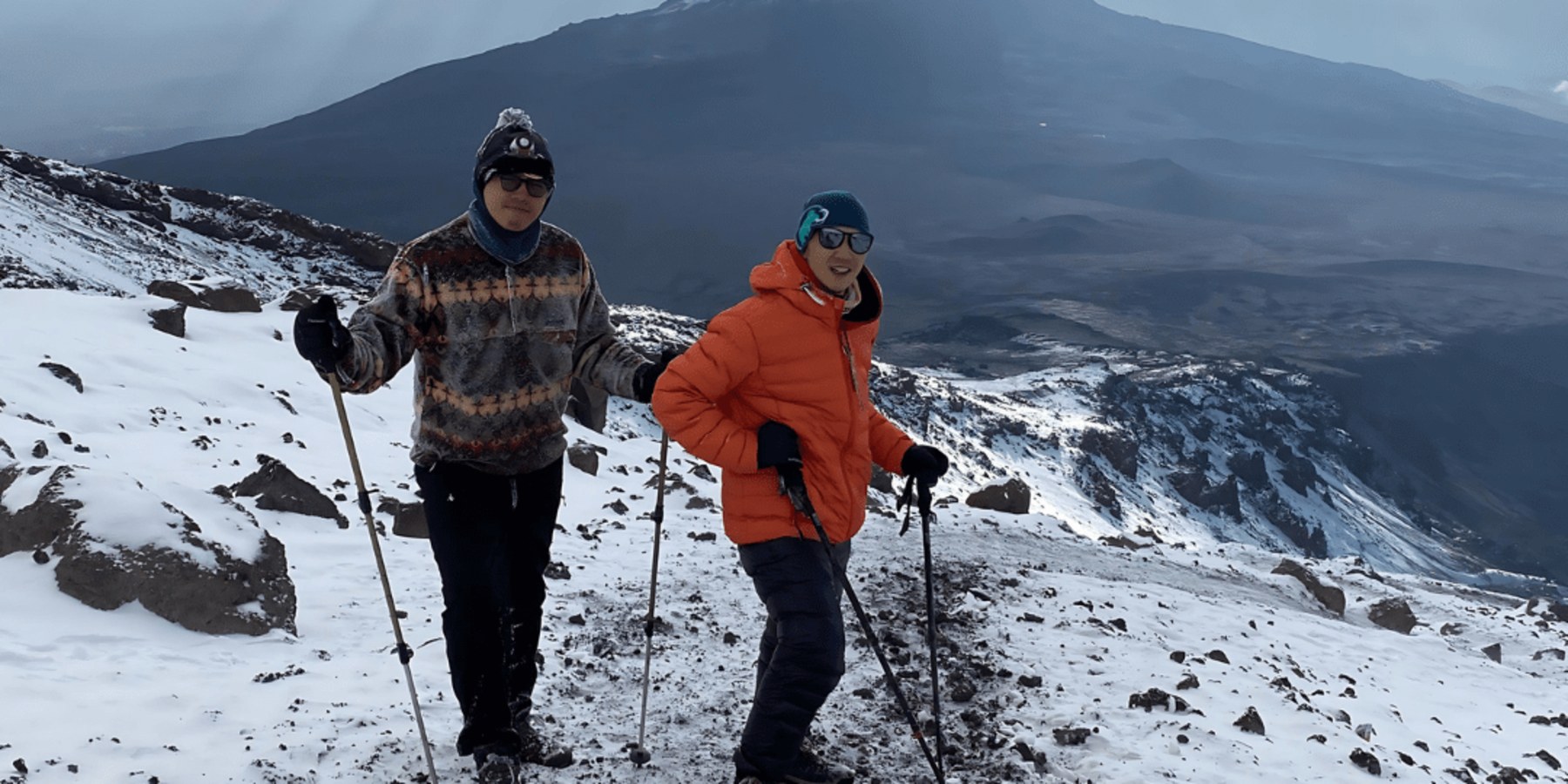

Mount Kilimanjaro, Africa's highest peak, stands as a beacon for adventurers worldwide, offering a challenging yet incredibly rewarding experience. However, choosing the best time to climb Kilimanjaro is crucial for a successful ascent. At Buluma Adventures, we want to ensure you have all the information you need to make your climb unforgettable.
Understanding Kilimanjaro’s Climate
First and foremost, understanding Kilimanjaro’s unique climate is essential. The mountain’s weather is influenced by its high altitude, resulting in significant variations from base to summit. Moreover, these variations change across different seasons, affecting your climbing experience.
Kilimanjaro’s Climatic Zones
Kilimanjaro’s ascent takes you through five distinct climatic zones: the bushland, rainforest, moorland, alpine desert, and arctic summit. Consequently, you’ll experience everything from warm, humid conditions to freezing temperatures. As you climb higher, weather conditions become more unpredictable, making it vital to choose the right season for your trek.
Best Climbing Seasons
When planning your climb, consider the dry seasons for the best conditions:
1. Dry Season (June to October)
Advantages:
During this period, the skies are clear, rainfall is minimal, and the weather is relatively stable, making it the best time to climb Kilimanjaro. The scenic views are breathtaking, and the trekking conditions are pleasant.
Disadvantages:
However, this is also the peak season, meaning higher crowd density on the routes.
Key Highlights:
This season offers the best combination of clear skies and moderate temperatures. It is ideal for capturing stunning photographs and enjoying panoramic views from the summit.
2. Short Dry Season (January to February)
Advantages:
This season offers warm weather and fewer crowds compared to the main dry season. It’s another excellent window to experience the best time to climb Kilimanjaro.
Disadvantages:
Although it’s a short window, the weather can be more variable.
Key Highlights:
Enjoy lush scenery and comfortable temperatures. This period is also known for its beautiful wildflowers, adding a splash of color to your trek.
Avoiding the Rainy Seasons
On the other hand, it’s wise to avoid the rainy seasons unless you’re an experienced trekker seeking a challenge:
3. Long Rainy Season (March to May)
Challenges:
Heavy rainfall, muddy trails, and slippery paths make the climb more difficult.
Considerations:
This period is best suited for seasoned climbers prepared for harsh conditions.
Key Highlights:
While the trails are less crowded, the weather can be very challenging. The increased precipitation can lead to more significant erosion and rockfalls.
4. Short Rainy Season (November to December)
Challenges:
Unpredictable weather and increased cloud cover can hinder your experience.
Advantages:
Less crowded routes might appeal to those seeking solitude.
Key Highlights:
This period can be unpredictable, with alternating days of rain and clear skies. It’s essential to be prepared for sudden changes in weather conditions.
Month-by-Month Breakdown
To further assist you, here’s a detailed month-by-month overview of weather patterns, trail conditions, and crowd levels:
1. January & February:
Warm and less crowded. A great time for scenic views and pleasant temperatures.
2. March:
Beginning of the rainy season. Trails become muddy and slippery.
3, April & May:
Peak of the rainy season. Heavy rainfall and challenging conditions.
4. June to October:
Clear skies and stable weather. Ideal for trekking but expect crowds.
5. November:
Onset of the short rainy season. Variable weather conditions.
6. December:
Unpredictable weather but fewer crowds. A mix of rain and clear days.
Special Considerations
Additionally, consider public holidays and festivals that might impact crowd levels. During certain times of the year, you might witness unique wildlife sightings and seasonal flora changes, adding to the richness of your experience. Regardless of the season, ensure you are physically prepared for the challenges of the climb.
Route Selection Based on Season
Choosing the right route is also crucial depending on the season. For instance:
1. Best Routes for Dry Seasons:
Machame and Lemosho routes offer stunning views and are well-suited for dry conditions.
2. Shoulder Seasons Routes:
Rongai and Northern Circuit routes can be attempted during shoulder seasons, offering a quieter experience.
Safety Considerations:
Each route has its own safety and success rate, so choose wisely based on your experience level and the time of year.
Conclusion
Planning well in advance and choosing the right route will enhance your chances of a successful and memorable climb.
Call to Action
Ready to embark on this incredible journey?
Explore our Kilimanjaro climbing packages with Buluma Adventures. Contact us today to book your adventure and get further inquiries answered. Let’s make your Kilimanjaro climb an experience of a lifetime!