

| 8 mins read
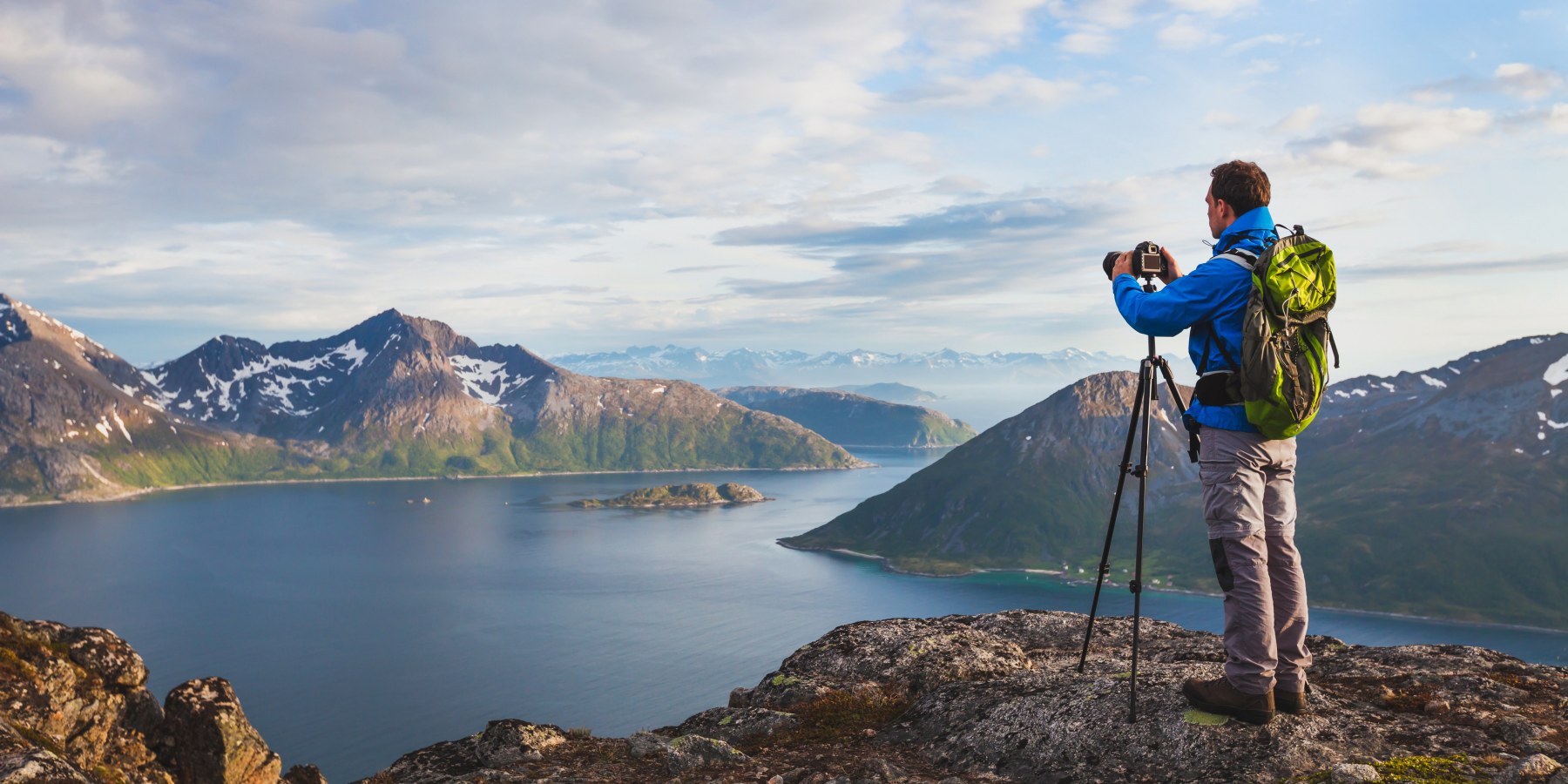
A destination can look extraordinary in person and ordinary in a photograph. The difference is often not the camera. It is timing, light, location, access and knowing what is happening around you.
Travel photography has become easier and more popular as mirrorless cameras have grown smaller and smartphone cameras have become more capable. Instagram and other visual platforms have also changed how people choose destinations, with specific viewpoints, streets, landscapes and cultural moments becoming reasons to plan a trip.
But finding a photograph online does not tell you how to recreate it.
A specialist photography tour can help you understand when to arrive, where to stand, what to photograph and what to avoid. More importantly, a local guide can help you see the destination beyond its most obvious views.
What a photography guide actually provides
A photography specialist can build an itinerary around light rather than simply attractions.
That may mean reaching a landscape before sunrise to position you for golden hour, changing locations when clouds obscure the light, or finding a better viewpoint when a popular site becomes crowded.
Local knowledge also matters for access. A guide may know about workshops, rooftops, markets and lesser-known viewpoints, or understand which areas require permission. Language can be equally important when you want to photograph artisans, performers or local residents.
For cultural photography, the guide's role is even more important. They can explain local etiquette, introduce you to people appropriately and tell you when photography is not suitable.
The local advantage: the best photographic opportunities are often determined by timing and context, not by whether a place appears on a sightseeing map.
Ladakh: Mountains, monasteries and dramatic light
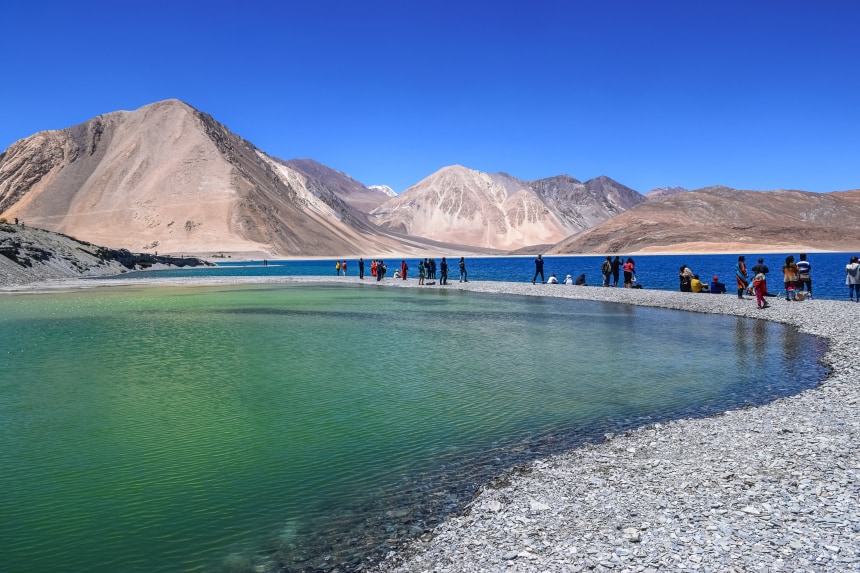
Ladakh is particularly suited to landscape photographers. High mountain passes, barren valleys, Buddhist monasteries and alpine lakes create strong compositions with little visual clutter.
Leh provides a practical base, while places such as Pangong Tso and Nubra Valley offer very different landscapes. Pangong Tso sits at about 4,350 metres, and the lake changes appearance as light and weather shift.
The altitude makes planning important. Long walks and heavy equipment can become tiring, while weather and road conditions can affect access. A guide can build the day around acclimatisation, driving time and the best available light rather than trying to cover too many locations.
For equipment, a wide lens and one versatile zoom are often more practical than carrying an entire kit.
Ethiopia: Portraits that begin with permission
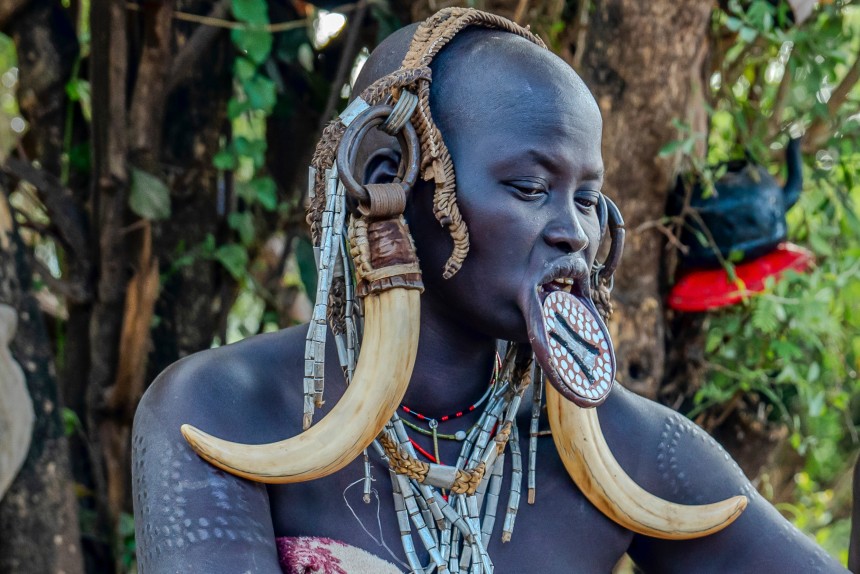
The Omo Valley offers exceptional opportunities for documentary and portrait photography, but photographing people requires particular care.
Communities have their own customs and expectations, and a photograph should not begin with simply pointing a camera at someone. A local guide can help establish communication, explain cultural context and arrange appropriate introductions.
Tell your guide in advance if portraits are a major objective. Ask about permission, community visits and situations where photography is restricted.
This approach also improves the photography itself. Time spent communicating and observing can produce a more natural portrait than a quick photograph taken in passing.
Iceland: Photographing unpredictable light
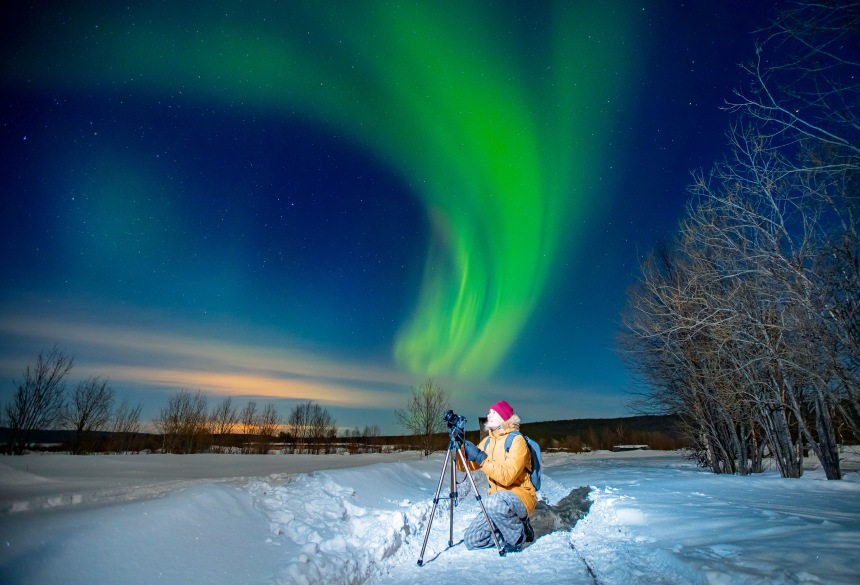
Iceland combines glaciers, waterfalls, volcanic landscapes, black sand beaches, and ever-changing weather. Conditions can change quickly, so flexibility is more useful than following a rigid photography schedule.
The aurora is another reason photographers visit. Iceland's official tourism guidance identifies late August through late April as the main aurora season and notes the importance of darkness and clear skies.
A local guide can monitor conditions and move between locations when necessary. For aurora photography, bring a tripod, spare batteries and a wide lens. Manual focus and long exposures are useful for night scenes.
During the day, allow time for reflections, changing clouds, and low sunlight rather than rushing between viewpoints.
Jordan: Petra and the landscapes of Wadi Rum
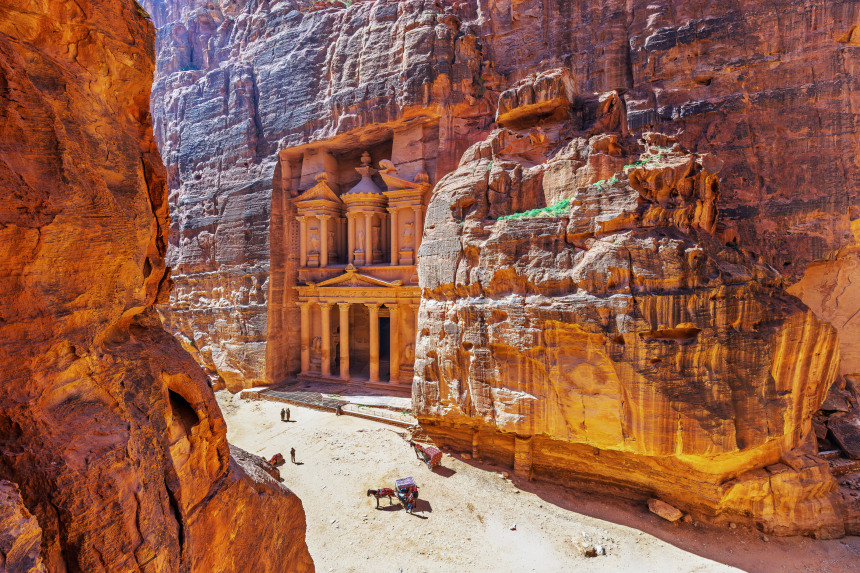
Jordan combines archaeological sites with desert landscapes, offering photographers two very different subjects in a single trip.
At Petra, the Siq, carved architecture and surrounding viewpoints change considerably as sunlight moves through the site. Arriving early gives photographers more control over light and crowds.
Wadi Rum offers a broader landscape experience, with sandstone formations, dunes, and vast open horizons. The Jordan Tourism Board describes the area through its rock formations, valleys, sand and Bedouin culture.
A guide can help plan around walking time, access and the position of the sun, particularly when sunrise or sunset is the priority.
Peru: Mountains, markets and cultural landscapes
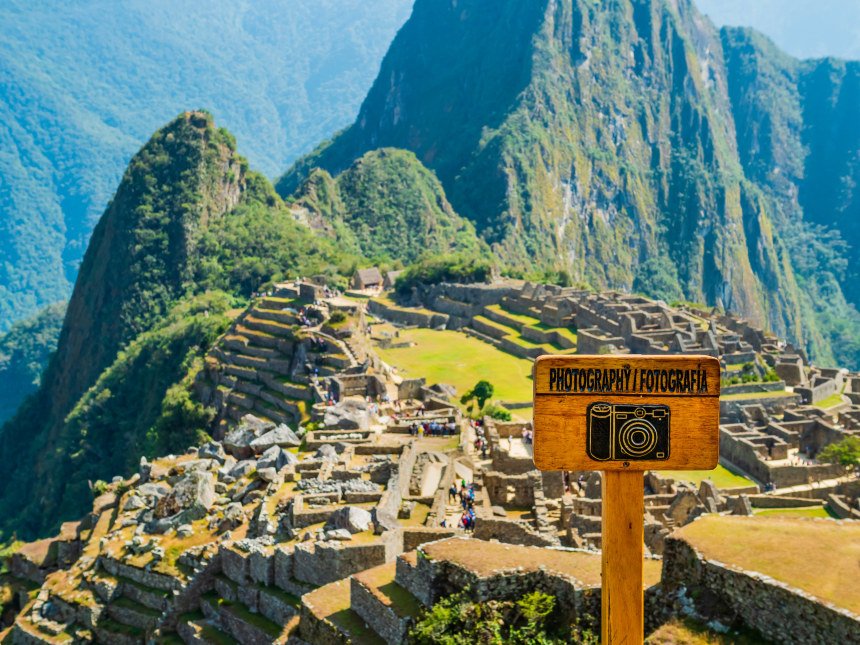
Peru offers a combination of urban photography, archaeology, mountains and traditional crafts.
Cusco is particularly useful for photographers because Inca foundations sit alongside colonial architecture, markets and artisan neighbourhoods. The Sacred Valley then adds agricultural landscapes, mountain villages and weaving traditions.
The route to Machu Picchu is marked by mist, steep mountains, and dense vegetation. Weather and altitude can affect both access and stamina, so a realistic itinerary matters.
A photography specialist can help balance sightseeing with enough time to stop, compose and wait for changing conditions. If portraits are important, discuss market and community photography before the trip to respect local etiquette.
Vietnam: Street life and northern landscapes
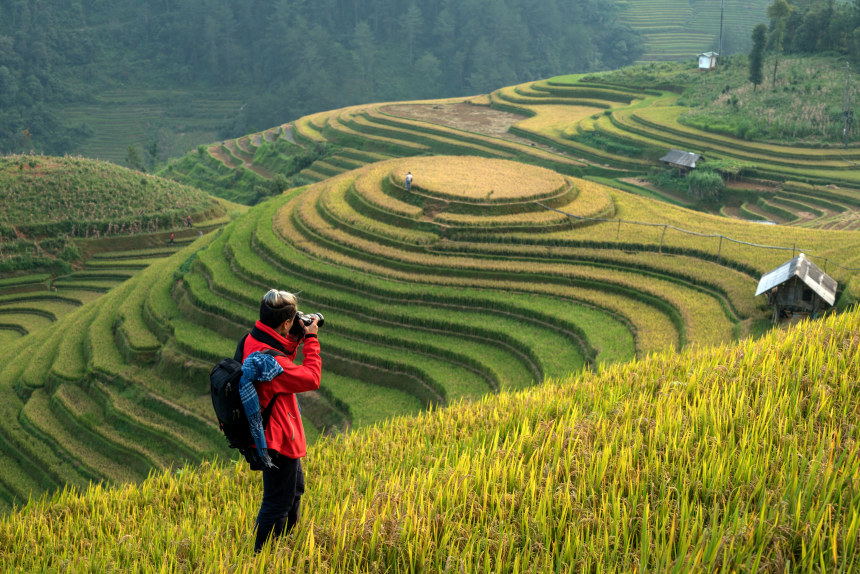
Vietnam works particularly well for street and documentary photography.
Hanoi offers markets, cafés, narrow streets, and dense urban landscapes, while Hoi An offers historic architecture and riverside scenes. Northern Vietnam adds rice terraces, mountain roads and rural communities.
A local guide can identify when markets are active, explain neighbourhood customs and help with communication when photographing people.
For photographers, this can be more useful than simply visiting a list of landmarks.
The strongest images often come from spending enough time in one environment to understand its rhythm.
Nepal: Himalayan landscapes with human scale
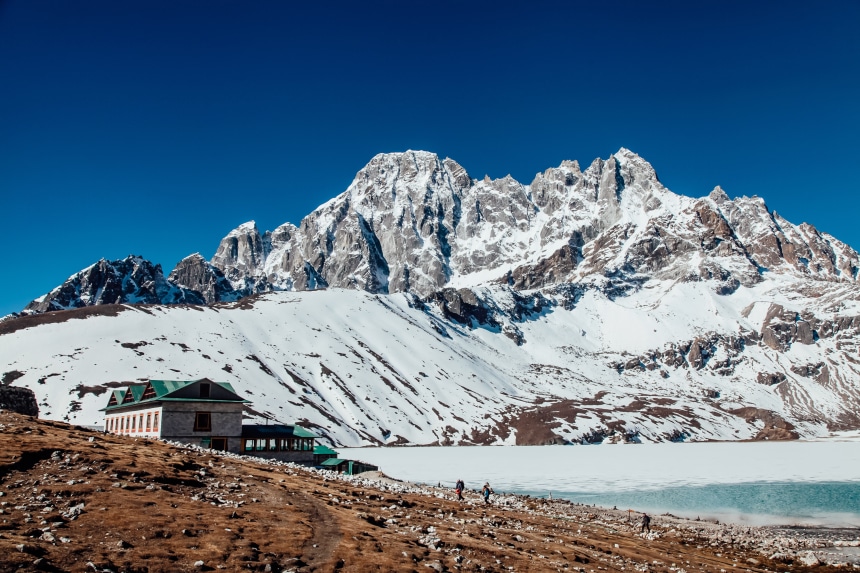
Nepal combines dramatic mountain scenery with villages, monasteries and daily life along trekking routes.
Kathmandu offers dense urban and religious photography, while trekking regions feature mountain landscapes, prayer flags, settlements, and changing weather.
The physical side of photography matters here. A large camera bag can become difficult to manage at altitude. Tell your guide how much equipment you intend to carry and how far you are comfortable walking.
A guide can then balance photographic opportunities with acclimatisation and realistic trekking distances.
Namibia: Desert forms and wildlife
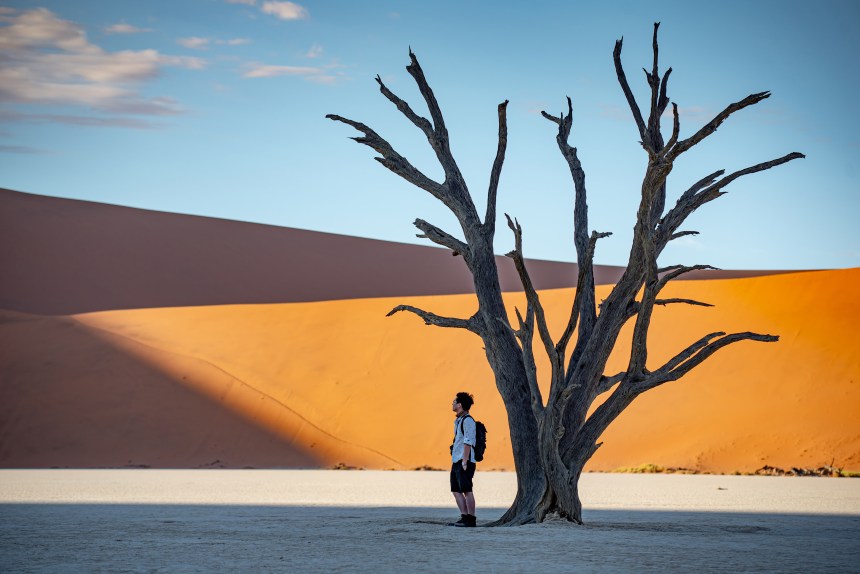
Namibia is particularly strong for landscape and wildlife photography.
The dunes around Sossusvlei cast dramatic shapes and shadows, especially in the early morning when low sunlight reveals their contours. Etosha offers a completely different photographic experience, with wildlife and open landscapes requiring patience rather than constant movement.
A guide can help with route planning, timing and wildlife positioning. This is one destination where waiting can be more valuable than covering more ground.
How to brief your photography guide
Before booking a photo tour, clearly explain four things: your experience, your equipment, your photographic interests, and your priorities.
Say whether you want landscapes, portraits, wildlife, architecture, street scenes or documentary images. Explain whether sunrise photography is essential, how much walking you can manage and whether you prefer a slow itinerary with time to compose.
Also ask about photography restrictions, permits, local introductions, workshop visits, and whether the itinerary can change based on weather and light.
If possible, send your guide a few examples of photographs you want to create. This gives them a much clearer idea of your visual goals than simply saying you want to take good photographs.
You do not need expensive equipment for a photography tour. The most useful setup is the one you can carry comfortably and operate confidently.
The right guide does not guarantee a perfect photograph. What they provide is something more practical: better information, better timing and access to situations that are difficult to understand from a map.
That can be the difference between photographing a destination and actually seeing it through a lens.
FAQ
Is a photography tour suitable for beginners?
Yes. A specialist guide can adjust the pace and technical advice to your experience, whether you use a smartphone, a compact camera, or a mirrorless system.
What should I tell a photography guide before booking?
Share your experience level, equipment, preferred subjects, physical requirements and the types of photographs you want to make.
Can I join a photography tour with a smartphone?
Yes. A smartphone is suitable for many types of travel photography, particularly street scenes, architecture, food and everyday life.
Is golden hour always the best time for photography?
No. Golden hour is excellent for landscapes and architecture, but markets, interiors and street photography may work better at other times.
Do I need professional camera equipment?
No. Equipment should match your subject and how much you can comfortably carry. Knowing your camera well is generally more useful than carrying multiple lenses you rarely use.
Why use a local photography guide?
A local specialist can help with timing, light, access, cultural etiquette, communication and locations that may be difficult to discover independently.