

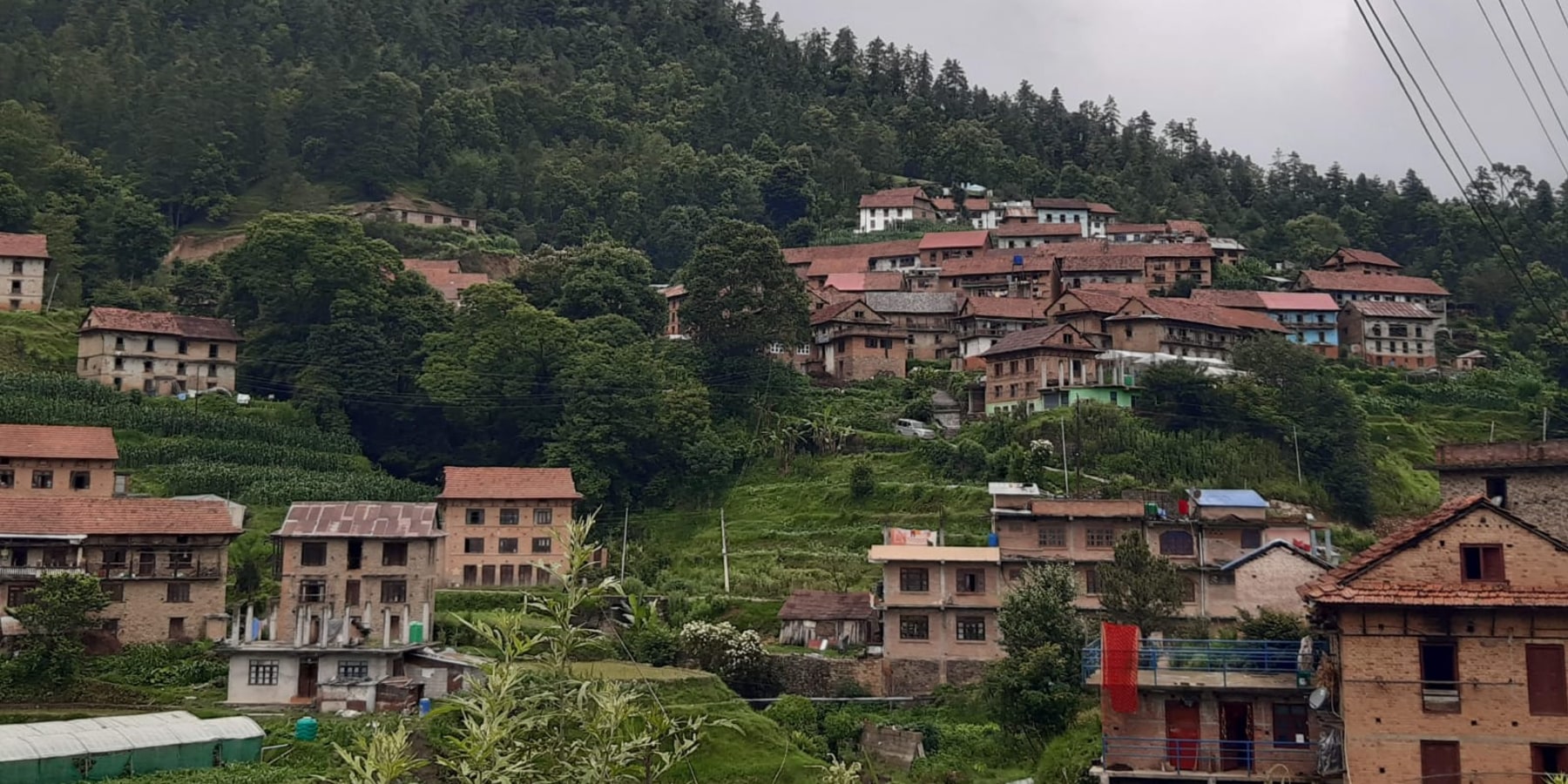

Travel is often associated with famous landmarks, packed itineraries, and ticking destinations off a list. Yet some of the most meaningful journeys happen far from tourist centers, in places where life flows gently and traditions continue quietly. In Nepal, this deeper form of travel is best experienced through cultural exchange and village life. Village experiences invite travelers to slow down and engage with everyday life as it is lived. Instead of observing culture from a distance, travelers become part of small moments, walking village paths, sharing meals, listening to stories, and understanding values shaped by generations. These experiences transform travel from sightseeing into connection.
What Is a Cultural Exchange & Village Experience?
A cultural exchange and village experience is not a performance or a staged tour. It is a mutual interaction between travelers and local communities, based on respect, curiosity, and learning.
Instead of simply observing culture, travelers:
Walk through villages with local hosts who share insights into community life
Share home-cooked meals prepared in traditional village kitchens
Learn about local customs, beliefs, and everyday routines
Observe daily activities that reflect village lifestyle and values
Experience traditional hospitality rooted in community warmth and respect
Spend time in shared spaces such as courtyards, farms, and gathering areas
Experience the rhythm of village life beyond tourist environments
This form of travel emphasizes connection over consumption. You are not just visiting a village, you are becoming a temporary part of it.
What Travelers Experience in Nepali Villages?
Village Walks & Daily Life Observation: Guided village walks offer insight into local homes, fields, temples, and everyday community life through relaxed exploration and storytelling.
Local Food & Cooking Experience: Travelers experience traditional village cuisine by participating in simple cooking activities using locally sourced ingredients.
Homestay & Community Interaction: Staying with local families allows guests to enjoy genuine hospitality, shared meals, and meaningful cultural interaction.
Farming & Seasonal Activities: Depending on the season, visitors may observe or respectfully participate in traditional farming and livestock care.
Cultural Traditions & Beliefs: Cultural exchange is enriched through stories and insights shared by elders about local festivals, rituals, and ancestral traditions.
Best Areas for Village & Cultural Experiences in Nepal
Nepal offers countless regions where village experiences can be thoughtfully included. Some popular and accessible areas include:
Ghale Gaun
Ghale Gaun is one of Nepal’s finest examples of a traditional Gurung village where culture is not preserved for tourism, but lived naturally every day. Located in the Lamjung district, this village sits on a gentle hillside surrounded by terraced fields, forests, and distant Himalayan views. Cultural interaction happens through village walks, homestays, and shared meals with local families, allowing travelers to understand Gurung lifestyle in a simple and meaningful way. Ghale Gaun is well suited for travelers who want cultural depth without physical difficulty. Light village walks, observation of farming life, and time spent with local families make the experience accessible for all age groups. The village environment encourages slow travel, reflection, and meaningful interaction rather than rushed sightseeing.
Sirubari
Sirubari is a well-known Gurung village in Syangja district, recognized as one of Nepal’s best examples of community-based tourism. The village is clean, organized, and culturally strong, making it ideal for travelers seeking a meaningful village and cultural exchange experience. Cultural interaction in Sirubari takes place through homestays, traditional food, and close engagement with local families. Village life here reflects strong social values, hospitality, and pride in local traditions. Sirubari is best suited for cultural exchange, village experience, and responsible tourism, especially for travelers who want authentic culture in a comfortable and welcoming setting.
Gatlang
Gatlang is a traditional Tamang village in Rasuwa district, known for its strong cultural identity and well-preserved mountain lifestyle. The village reflects Tibetan-influenced Tamang traditions that are still practiced in everyday life, making cultural exchange feel natural and authentic. Village interaction in Gatlang happens through homestays, shared meals, and time spent with local families, offering travelers insight into Tamang customs, language, and daily routines. Set in a peaceful mountain environment, Gatlang is ideal for cultural exchange, village experience, and community-based tourism in Nepal.
Khotang
Khotang villages in eastern Nepal offer an authentic Rai cultural experience, where traditional lifestyle, community values, and close connection to nature remain central to daily life. These villages are largely untouched by mass tourism, allowing cultural exchange to happen in a genuine and respectful way. Village life in Khotang is shaped by farming, local rituals, and strong social bonds. Interaction with local families provides travelers with insight into Rai traditions, language, and everyday routines. Khotang is best suited for cultural exchange, village experience, and off-the-beaten-path community tourism for travelers seeking deep cultural authenticity.
Helambu
Helambu is a culturally rich hill region north of Kathmandu, home to the Hyolmo community with strong Tibetan-influenced traditions. Village life here remains closely connected to farming, spirituality, and community cooperation, offering travelers an authentic cultural exchange experience away from busy tourist routes. Cultural interaction in Helambu happens naturally through village walks, local homestays, and everyday conversations with residents. The region is ideal for village experience, cultural exchange, and soft cultural trekking, suitable for travelers seeking meaningful interaction in a peaceful mountain setting.
Khokana, Living Newari Heritage Village
Khokana is a traditional Newari village near Kathmandu, known for its well-preserved lifestyle, farming traditions, and strong community culture. Unlike many tourist areas, daily life in Khokana continues in its original form, making cultural exchange feel natural and unforced. Village interaction in Khokana happens through village walks, observation of traditional farming and oil-pressing practices, and interaction with local residents. The village is ideal for cultural exchange, village experience, and heritage-based tourism, offering travelers an authentic insight into Newari culture and everyday life.
Tarkeghyang
Tarkeghyang is one of the most traditional villages in the Helambu region, known for its preserved Hyolmo culture and spiritual heritage. The village reflects a strong sense of identity through its lifestyle, language, and community values. Cultural exchange in Tarkeghyang is experienced through interaction with local families, observation of daily routines, and visits to local monasteries. Its calm environment and cultural richness make it well suited for authentic village experience, cultural immersion, and responsible tourism in Nepal.
Sikles
Sikles is a traditional Gurung village in the Kaski district, set in a scenic mountain landscape above the Pokhara valley. The village is known for its strong cultural identity, community living, and well-preserved traditions. Cultural exchange in Sikles happens naturally through interaction with local families, village walks, and observation of daily routines shaped by mountain life. Sikles is ideal for travelers seeking authentic village experience, cultural exchange, and soft mountain travel, offering deep cultural insight without the pressure of mass tourism.
Manang Village
Manang villages represent a unique high Himalayan culture influenced by Tibetan traditions and mountain survival lifestyles. Daily life here reflects adaptation to altitude, climate, and trade routes, making cultural exchange both educational and meaningful.
Interaction in Manang villages takes place through village stays, local monasteries, and everyday community life. These villages are best suited for cultural immersion, mountain village experience, and responsible high-altitude travel.
Tharu Village
Tharu villages in Nepal’s Terai region offer a distinct indigenous cultural experience shaped by forest-based living and strong community traditions. The lifestyle, architecture, food habits, and customs of the Tharu people differ significantly from hill and mountain communities. Cultural exchange in Tharu villages happens through interaction with local families, observation of daily life, and learning about indigenous traditions. These villages are ideal for cultural exchange, village experience, and community-based tourism for travelers seeking diversity in Nepal’s cultural landscape.
Why Village Experiences Matter in Modern Travel?
Authentic Human Connection: Village experiences create real interaction through everyday life, not transactional tourism.
Cultural Preservation: Respectful village travel helps protect traditions instead of turning them into performances.
Responsible Tourism: Village-based travel directly supports local families and sustainable livelihoods.
Deeper Understanding: Travelers learn the meaning behind traditions, not just observe daily activities.
Who Is This Experience Best For?
Cultural exchange and village experiences are ideal for:
Visitors looking for authentic and meaningful experiences
Cultural explorers and photographers interested in real community life
Wellness and slow travelers who prefer calm, immersive journeys
Travelers who prefer off-the-beaten-path destinations
Volunteers or purpose-driven travelers
Students and academic groups focused on culture and society
Travelers interested in indigenous cultures and traditions
Things to Consider for Village & Cultural Exchange Travel in Nepal
Respect local customs, traditions, and dress codes at all times
Keep expectations realistic and embrace simplicity in village settings
Be open to cultural differences in lifestyle, food, and daily routines
Travel with a responsible operator to ensure ethical community engagement
Support local products and services whenever possible
Be flexible, as village life follows natural rhythms rather than fixed schedules
Prepare mentally for limited modern facilities in rural areas
Approach the experience with patience, humility, and genuine curiosity
Responsible Travel: Doing It the Right Way
Village experiences must be planned carefully. Without proper guidance, they can unintentionally harm communities or feel uncomfortable for travelers. That’s where a professional travel planner matters.
How Khushi Travels Ensures Responsible Experiences:
Partnering only with willing and prepared communities
Ensuring fair compensation and consent
Limiting group sizes
Preparing travelers with cultural guidelines
Respecting privacy, beliefs, and local norms
Responsible travel is not about restriction, it’s about respect.
Conclusion
Village experiences and cultural exchange travel offer a deeper and more meaningful way to explore Nepal beyond well-known tourist routes. By engaging directly with local communities, travelers gain authentic insight into traditions, daily life, and cultural values that define the country at its core. These experiences promote responsible tourism, support local livelihoods, and create genuine human connections that last far beyond the journey itself.
At Khushi Travels & Consulting Group, we design village and cultural exchange experiences with care, responsibility, and cultural sensitivity, drawing from our experience in planning meaningful travel across Nepal. Our approach focuses on authenticity, comfort, and ethical engagement, ensuring that every journey benefits both travelers and host communities. For those seeking travel that feels real, respectful, and thoughtfully planned, village experiences with Khushi Travels offer a truly enriching way to discover Nepal.