

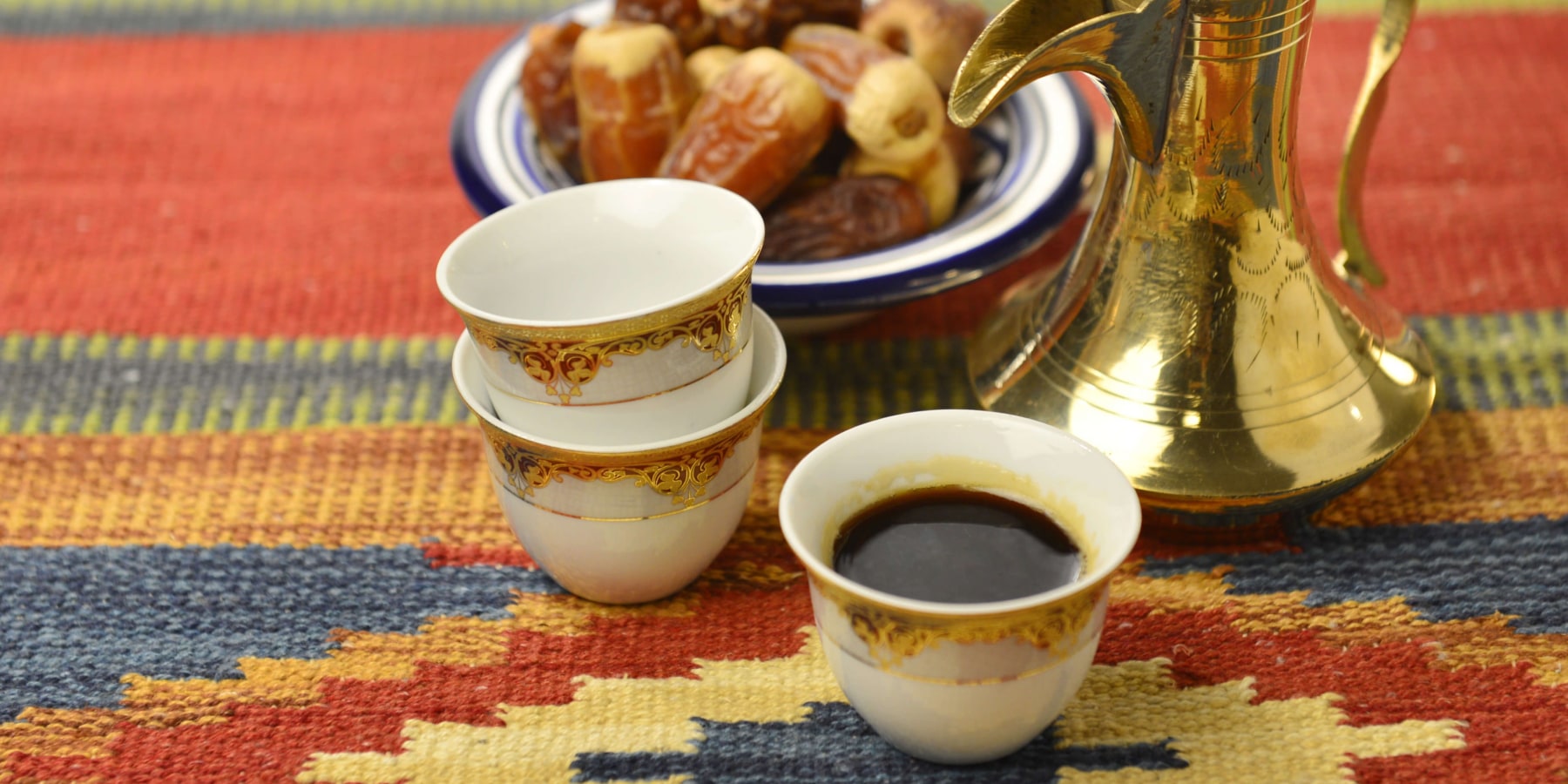

Arabian Coffee
History of Arabian Coffee
Arabian Coffee has an ancient history. The Bedouin knew a type of coffee made from ground barley mixed with cardamom and saffron. Arabian Coffee began to be cultivated in Yemen, specifically in the port of Mocha, where the name "Mokka" comes from. The story goes that a goatherd discovered the stimulant properties of coffee by watching the goats dance while eating cherries from a particular tree. This discovery gave rise to coffee as we know it today.
In the 15th century, Dutch troops took control and monopolized the coffee trade. There was a conflict in this trade between them and France and England to monopolize it.
In 1629, the Ottoman Empire made it an official port for Yemen. The method of growing coffee trees on the sides of hills or mountains by planting on terraces plays an important role in the cultivation of high-quality coffee trees.
Coffee Processing Methods:
- The Dry Method
The cherries are usually dried naturally in the sun on raised drying beds. This allows the flavors of the fruit to penetrate the beans and produce a high-quality flavor.
- Wet Method
The cherries are cut to remove the outer skin, and then the coffee beans are soaked in water to remove any remaining pulp.
Coffee bean separation
Once the beans are dry, workers carefully inspect the beans and remove any defective beans to ensure that only the highest-quality beans make it to the final stages of production.
Roasting and grinding coffee beans
The final step in the production of Arabica coffee is roasting. Sorted beans are roasted, with each batch carefully monitored to achieve the desired roast level, whether light, medium, or dark. This is the reason why Arabica coffee has its unique taste and aroma. Roasted Arabica beans are now ready for grinding.
Here are Some Ways to Prepare Arabic Coffee:
The modern way
Ingredients:
3 cups of water, 2 tablespoons ground Arabic coffee, 3 tablespoons ground cardamom, and 1/4 teaspoon saffron
How to make it?
Place the pot over medium heat. When it boils, reduce the heat, add the coffee, leave it to boil for five minutes, then remove the pot from the heat. Filter the coffee into another jug. Add cardamom and saffron. Return the pot to the fire. We let the coffee boil just once, then pour it into the dallah and serve it with dates.
How to make coffee the Emarati way?
Lighting firewood, roasting green coffee in the roaster, then stirring it with a spoon called the roaster hand.
Cooling the coffee in a wooden box.
Grinding coffee in a copper mortar (Najr).
Take a small cup of coffee, pour it into a jug of water, and put it on the fire.
After it boils, it is poured into another jug called the Mabhara.
Then he puts a cup of ground cardamom and a few cloves in it and leaves it to boil.
A little, then remove from the heat and add a little saffron.
Filter the coffee by placing any fibre on it. Pour the coffee into the dallah. Serve the coffee with dates.
How does the Emarati serve Arabic coffee?
Arabic coffee, also known as “coffee” or “KAHWAH”, is not just a drink in the UAE; it is a symbol of hospitality, tradition, and respect. Serving Arabic coffee is an essential part of Emirati culture and holds an important place in the daily lives of its people. The process of serving Arabic coffee is a ritual that reflects the values of this culture, with an emphasis on hospitality and respect for guests.
Coffee Council:
In Emirati culture, the coffee majlis, known as the “coffee majlis,” is a traditional gathering place where friends and family gather to socialize, discuss important matters, and share stories. This is where Arabic coffee is usually served.
The service:
The youngest member of the family assumes the supervisory role of serving Arabic coffee. This duty is considered a sign of respect and humility towards guests.
Arrangement for serving Arabic coffee:
The young begin by serving the eldest or highest-ranking person in the gathering. This action demonstrates reverence for age and status. After serving the eldest, he moves on to the other guests, always starting with their right hand. This tradition is considered a gesture of respect and politeness, as the right hand is considered the clean and superior hand.
Non-verbal communication:
Arabic coffee service also includes non-verbal communication. If the guest does not want to drink coffee, he gently shakes the coffee cup left and right.
This subtle gesture is understood as a polite retreat and is respected without further insistence.
Serving Arabic coffee on occasions of happiness and mourning:
Serving Arabic coffee is not limited to happy occasions; it is also part of grief gatherings. On happy occasions, guests express their happiness by making a sound or lightly tapping on their coffee cups.
This sound is a symbol of celebration and happiness. Conversely, in times of mourning, such a sound is not made, which indicates seriousness and respect for the situation.
In the UAE, serving Arabic coffee is more than just a routine; it is the embodiment of cultural heritage. It is an expression of honor, hospitality, and respect for guests that goes beyond the taste of the coffee itself. This tradition teaches us the importance of appreciating our elders, offering warmth to our visitors, and recognizing the nuances of communication found in the silent pour-over of coffee.
Arabic coffee has many benefits, including:
Contains antioxidants that may help to protect against cancer.
Its high caffeine content has the ability to increase concentration and attention, help improve mood and stimulate the nervous system.
Helps remove fats from arteries and regulates blood sugar.
Aids in the renewal of skin cells, reduces ageing and wrinkles and protects against Alzheimer's.
Helps lose weight by reducing appetite.
Supports urinary tract health and protection.
Has a role in the treatment of headaches and high blood pressure.
Gum and tooth health and protection against tooth decay.