

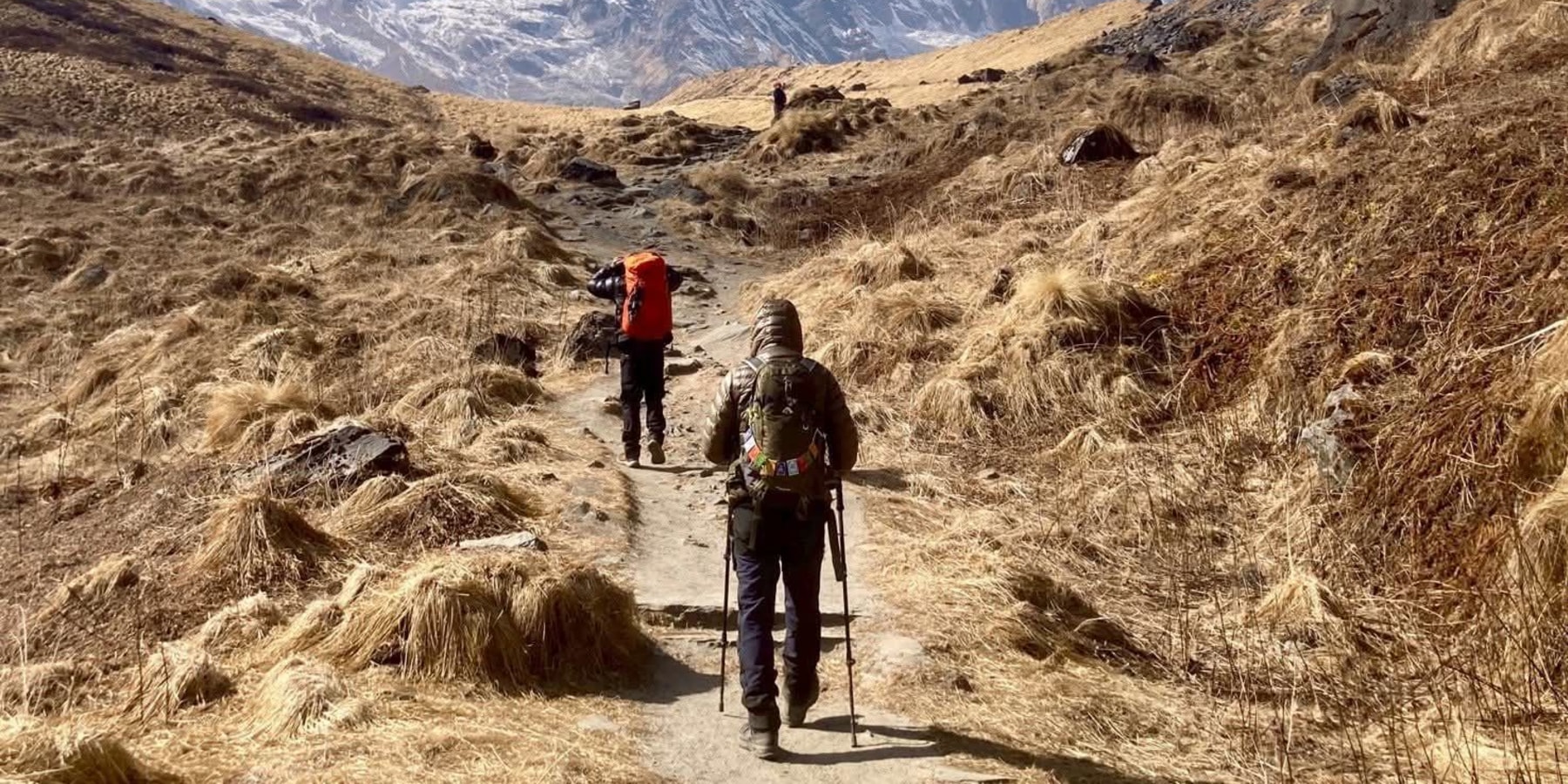

Annapurna Conservation Area: A Model of Sustainable Mountain Tourism in Nepal
The Annapurna Conservation Area (ACA) is Nepal’s largest protected region and one of South Asia’s most successful examples of community-based conservation. Covering more than 7,600 square kilometers across central Nepal, the area stretches from subtropical valleys at 790 meters to alpine and trans-Himalayan landscapes above 8,000 meters.
Established in 1986, the Annapurna Conservation Area Project (ACAP) transformed the way conservation and tourism operate in Nepal. Today, the Annapurna region stands not only as a trekking paradise but also as a living example of sustainable mountain tourism.
What ACAP Is Doing in Nepal
The Annapurna Conservation Area Project was introduced to balance environmental protection with local economic
development. Unlike traditional national parks, ACAP follows a participatory approach, placing local communities at the center of conservation efforts.
1. Environmental Conservation
ACAP actively works to:
Protect forests and biodiversity
Promote reforestation programs
Control soil erosion and trail degradation
Encourage alternative energy solutions such as solar power and improved cooking stoves
The region is home to rare wildlife including snow leopards, Himalayan thar, musk deer, and over 500 species of birds.
2. Community Development
Tourism revenue collected through permits is reinvested locally. ACAP supports:
Schools and health posts
Clean drinking water projects
Women’s empowerment initiatives
Skill development and guide training programs
This model ensures that conservation directly benefits the people who live within the protected area.
3. Sustainable Tourism Management
ACAP regulates trekking permits, maintains trails, and promotes responsible travel practices. Its system has become a benchmark for sustainable tourism management across Nepal.
Major Tourist Attractions in the Annapurna Region
The Annapurna Conservation Area offers remarkable geographic and cultural diversity.
Annapurna Base Camp (ABC)
The trek to the base of Annapurna I (8,091m) is one of Nepal’s most iconic adventures. Trekkers journey through terraced fields, rhododendron forests, and glacial valleys before reaching a natural amphitheater surrounded by towering Himalayan peaks.
Ghorepani – Poon Hill
A short yet rewarding trek famous for panoramic sunrise views over the Annapurna and Dhaulagiri ranges. It is ideal for beginners and those with limited time.
Tilicho Lake
Tilicho Lake, located at over 4,900 meters, is among the highest lakes in the world. The journey offers dramatic landscapes and rugged Himalayan scenery.
Upper Mustang
A culturally distinct region resembling the Tibetan plateau, Upper Mustang features ancient monasteries, cave settlements, and arid desert landscapes.
Ghandruk Village
Ghandruk is a traditional Gurung settlement known for stone-built houses, cultural heritage museums, and spectacular mountain views.
Access and Transportation
By Air
Travelers can fly from Kathmandu to Pokhara, a scenic 25-minute flight. Pokhara serves as the main gateway to the Annapurna region.
By Road
Tourist buses and private vehicles connect Kathmandu to Pokhara in approximately 6–8 hours. From Pokhara, jeeps or local transport reach various trekking starting points such as Nayapul, Ghandruk, or Chame.
Required Permits
Annapurna Conservation Area Permit (ACAP)
TIMS Card (Trekkers’ Information Management System)
These permits are mandatory and can be arranged through registered trekking agencies.
Accommodation in the Annapurna Region
Accommodation ranges from basic to luxury, depending on the route.
Tea Houses
The most common option, offering simple yet comfortable rooms with shared facilities and traditional Nepali meals.
Eco-Lodges
Solar-powered and environmentally conscious lodges developed under ACAP’s sustainability guidelines.
Luxury Lodges
Available on popular routes such as Annapurna Base Camp and Ghorepani, providing upgraded comfort and private facilities.
Hospitality in the region reflects the warmth of local Gurung, Thakali, and Manangi communities.
Responsible Travel: Do’s and Don’ts
Do's
Respect local traditions and religious sites
Carry reusable water bottles
Follow marked trails
Hire licensed guides and porters
Allow proper acclimatization at higher altitudes
Don'ts
Do not litter or burn plastic waste
Avoid disturbing wildlife
Do not photograph people without permission
Avoid loud or culturally insensitive behavior
Do not ignore symptoms of altitude sickness
Responsible trekking preserves both the fragile ecosystem and the cultural integrity of the region.
Why Annapurna Conservation Area Matters
The Annapurna Conservation Area is more than a scenic trekking destination. It is a pioneering conservation model where tourism revenue directly funds environmental protection and community welfare. Every trekker contributes to preserving biodiversity, sustaining mountain communities, and promoting responsible tourism.
Explore Annapurna with Khushi Travels and Consulting Group
For travelers seeking professionally organized journeys in the Annapurna region, Khushi Travels and Consulting Group offers comprehensive tour and trekking services across Nepal, including customized programs within the Annapurna Conservation Area.
Services include:
Annapurna Base Camp Trek
Annapurna Circuit Trek
Ghorepani–Poon Hill Trek
Upper Mustang cultural tours
Permit arrangements and licensed guides
Tailor-made itineraries for all fitness levels