

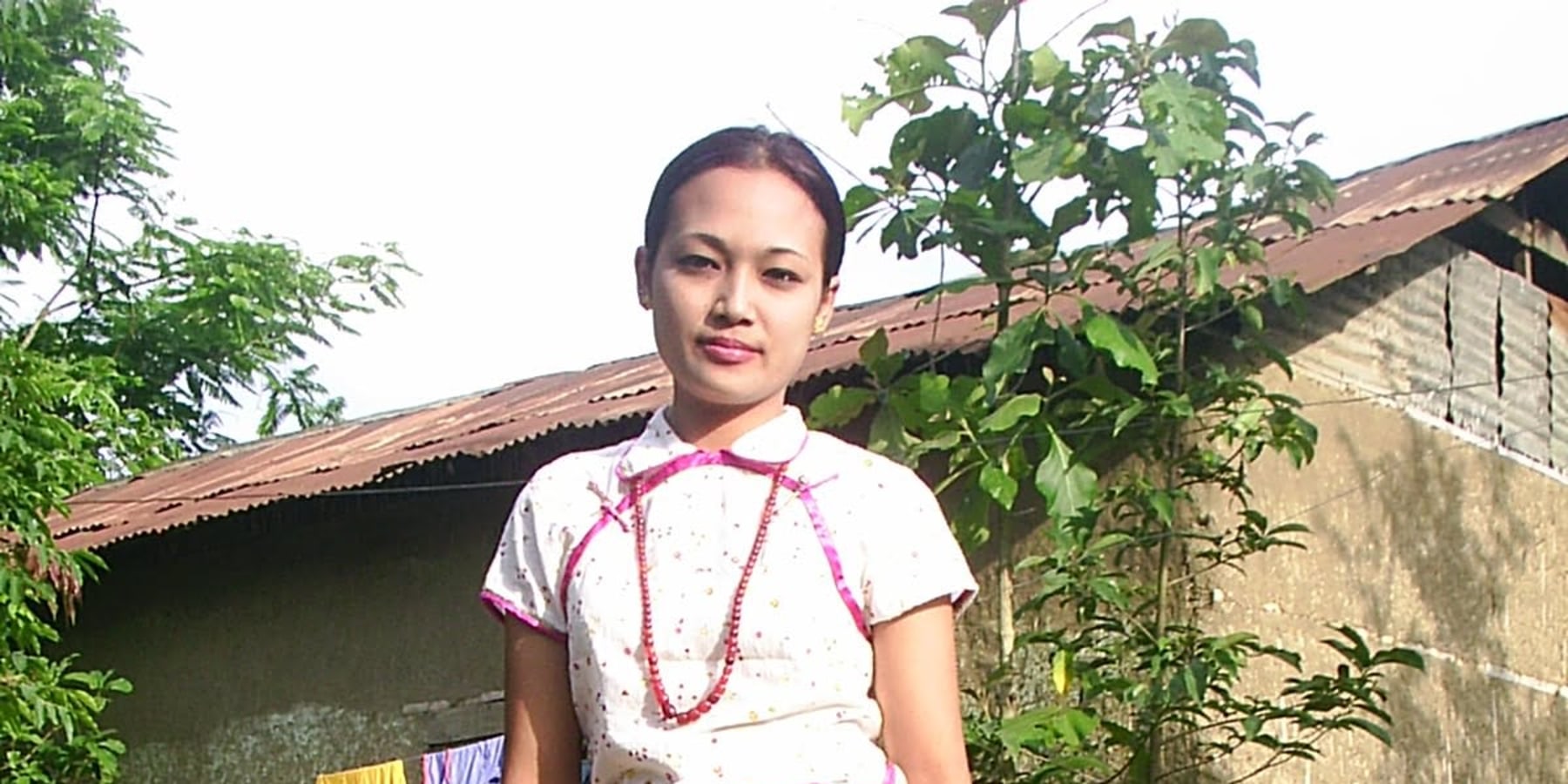

If you were to look from a distance or catch the sound of their voices, you might easily mistake yourself for standing in the heart of Yangon (Myanmar) or Ulaanbaatar (Mongolia) rather than a state within a South Asian nation. This is Manipur—a land of the "Children of the Dragon," possessing an anthropological and cultural beauty that is truly astonishing.
The people of Manipur, including the Meitei in the valleys and the Naga and Kuki-Zomi tribes in the highlands, possess the distinct physical features of the Mongoloid race. With monolid eyes, high cheekbones, and fair skin, they share the appearance of East and Southeast Asian populations. Even their language, belonging to the Tibeto-Burman family, features tones and short syllables that evoke the sounds of Tibetan, or at times, the rhythmic qualities of Korean or Japanese.
For travel agencies and international tour guides, understanding this distinction is the key to serving this unique segment of travelers. The biggest mistake is to assume that "India is all about curry and heavy spices." In reality, the palate of the Manipuri people is strangely close to that of the Vietnamese.
Important Notes for Travel Agencies:
1. On Cuisine:
The people of Manipur do not favor rich, creamy curries (masala) or heavy butter (ghee). They prefer steamed rice as a staple. Most importantly, their cuisine is defined by Ngari (fermented fish), a flavor remarkably similar to the mắm nêm or fermented fish sauces of Vietnam. They enjoy boiled vegetables, braised fish, and fresh herbs like green onions, sawtooth coriander, and basil. If hosting them in Vietnam, dishes such as sour fish soup (canh chua), boiled morning glory, or caramelized braised fish (cá kho tộ) will make them feel more at home than traditional Indian dishes.
2. On Service Style:
Manipuri people value politeness and a degree of reserve, similar to East Asian cultures. They take immense pride in their distinct identity and do not appreciate being mistaken for Central or South Indians. Tour guides should learn the basics of festivals like Sajibu Nongma Panba or the Ras Lila dance to build a genuine connection.
3. On Attire:
The sight of women wearing the Phanek wrap-around skirt is reminiscent of the Myanmar Longyi. This is a traditional beauty they uphold even when traveling, reflecting a deep sense of national self-respect.
Correctly identifying this "very different part of India" not only elevates service quality but also demonstrates the sophistication of a tourism professional. Instead of serving a plate of Chicken Tikka Masala, try offering them a refreshing bowl of vegetable soup—that is the true way to touch the hearts of guests from Manipur.