


| 8 mins read
There are journeys taken to arrive somewhere, and journeys taken because the act of going matters.
For centuries, pilgrims have crossed mountains, deserts, rivers and continents in search of faith, healing, forgiveness, remembrance or enlightenment. Today, that impulse has expanded beyond traditional religion. A person may walk the Camino de Santiago for spiritual reasons, for personal reflection, or simply to better understand themselves. Another may visit Hiroshima or Auschwitz not to worship, but to confront history, grief and the human capacity for both destruction and resilience.
This broader idea of pilgrimage travel is increasingly relevant in 2026-2027. Recent research on India's spiritual tourism sector describes a shift from traditional pilgrimage towards more immersive travel centred on culture, wellness and personal transformation.
The destination still matters. But increasingly, so does the question a traveller carries there.
What pilgrimage travel means today
A modern pilgrimage does not necessarily require religious belief. What defines it is intention.
For some travellers, that intention is devotion. For others, it may be remembrance, contemplation, cultural understanding or a desire to step away from the speed of ordinary life. The physical journey itself can become part of the experience.
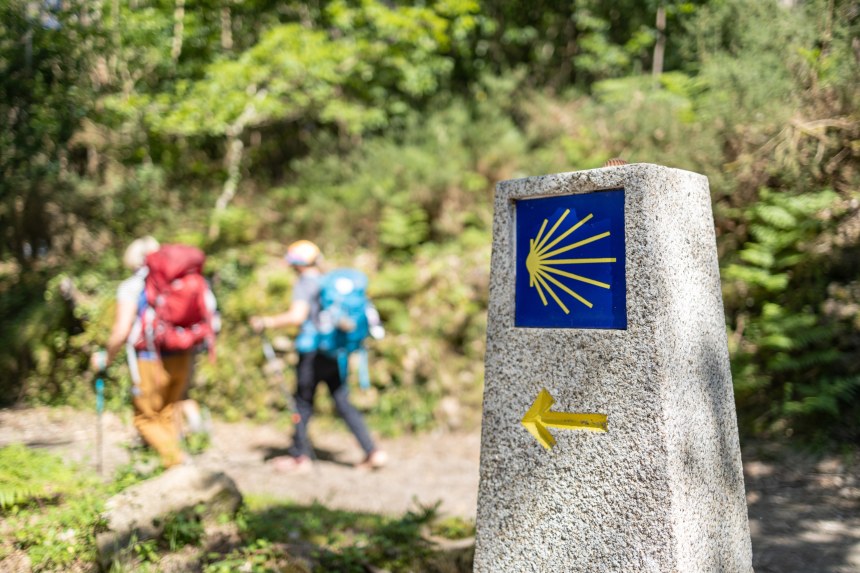
The Camino de Santiago illustrates this beautifully. Pilgrims walking towards Santiago de Compostela, often over many days, carry a credential that is stamped along the route. Those completing the required distance can receive the Compostela, a document recognising completion of the pilgrimage.
The significance of the Camino is therefore not confined to the cathedral at the end. The walking, repetition, solitude and conversations along the route become part of the pilgrimage itself.
Other journeys have a different character. Auschwitz is a place of historical remembrance rather than religious pilgrimage, while Hiroshima invites reflection on war, loss and peace. The emotional weight can be just as profound.
Why travellers are seeking meaning in 2026-2027
Modern tourism often encourages us to see more, move faster and collect experiences. Pilgrimage offers almost the opposite proposition.
It asks travellers to slow down.
That helps explain why sacred travel increasingly appeals to people who might not describe themselves as religious. A meaningful journey can offer space for reflection at a time when ordinary life rarely does.
The appeal can also be cultural. Visiting a sacred place without understanding its traditions risks reducing it to architecture or photography. Understanding why people pray there, how ceremonies developed and what the place means to local communities changes the experience completely.
The important shift is from seeing a sacred place to understanding why it is sacred.
Eight pilgrimage destinations worth approaching with a guide
Camino de Santiago
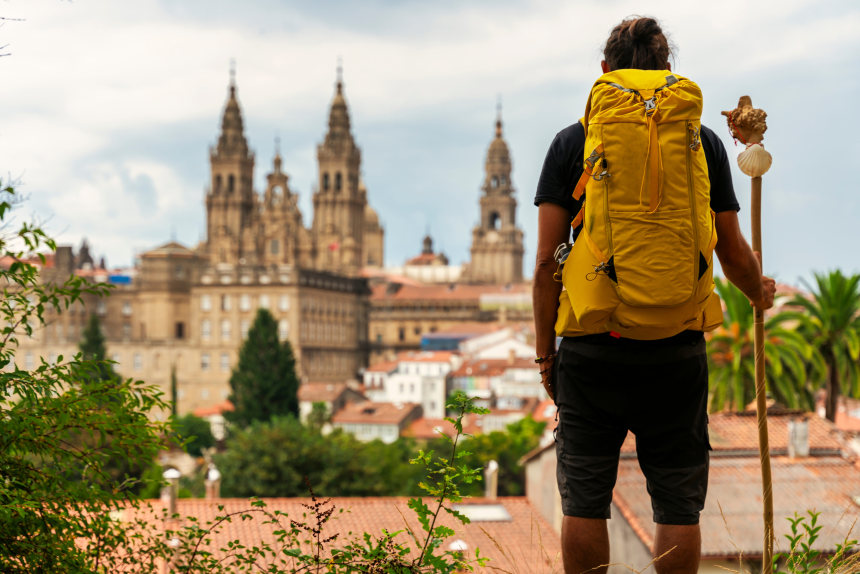
The Camino is one of Europe's great walking traditions, leading pilgrims towards Santiago de Compostela and the Cathedral of Santiago. The journey can be deeply personal, whether motivated by faith, reflection or the simple challenge of walking across Galicia.
A local guide can be particularly useful at the beginning or end of the journey, helping explain the history of Santiago, the cathedral and the traditions surrounding pilgrims. tourHQ has licensed guides in Santiago who accompany travellers along the Caminos and can provide authorised guiding at the cathedral.
Jerusalem
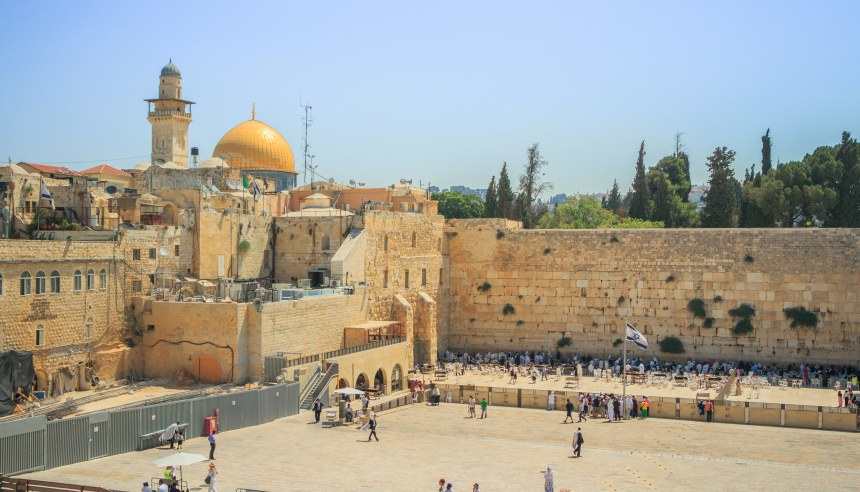
Few cities carry as many layers of sacred history as Jerusalem. Within the Old City, Jewish, Christian and Muslim traditions intersect at sites such as the Western Wall, the Church of the Holy Sepulchre and the Temple Mount.
This is precisely where specialist knowledge matters. Israel requires tour guides to hold a Ministry of Tourism licence, and tourHQ lists licensed guides in Jerusalem with expertise across Jewish, Christian and Muslim history.
A guide can also help you understand which traditions belong to which community and how to behave respectfully in spaces where religious observance is part of everyday life.
Varanasi
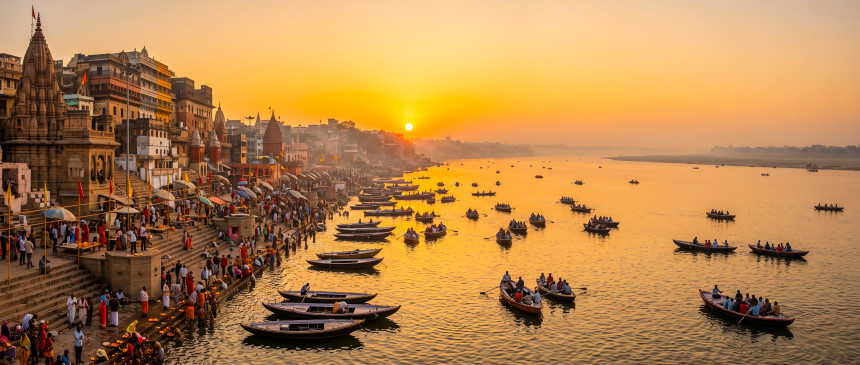
On the banks of the Ganga, Varanasi brings ritual, everyday life and death into remarkably close proximity. Its ghats are places of prayer, bathing, cremation and ceremony.
The evening Ganga Aarti at Dashashwamedh Ghat is among the city's most recognisable experiences, with priests performing the ritual at dusk.
A guide can explain what you are seeing rather than simply finding you a place to watch it. tourHQ currently offers local guides in Varanasi
and experiences focused on the ghats, temples and Ganga Aarti.
Mecca and Medina
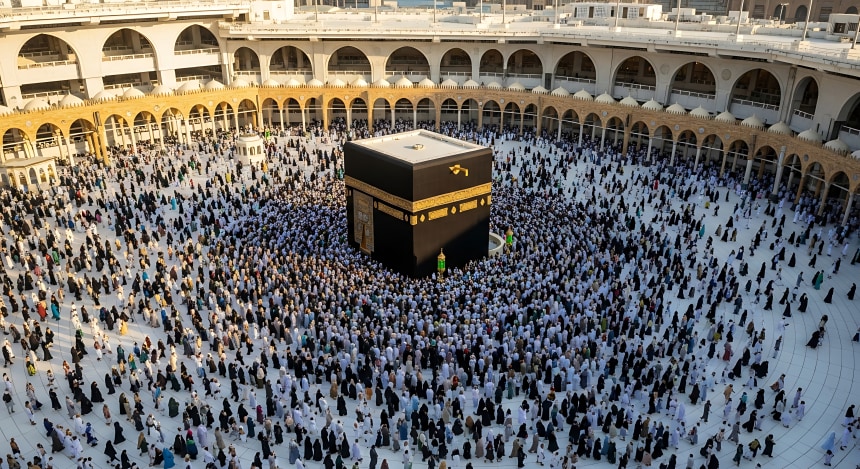
For Muslim travellers undertaking Umrah or exploring the religious heritage of western Saudi Arabia, Medina carries immense spiritual importance. Jeddah can also serve as an important gateway and offers its own rich Islamic and Hijazi heritage.
tourHQ has a great list of vetted, licensed guides in Medina and licensed guides based in Jeddah who also operate in Mecca and Medina. Some specifically offer Umrah guidance and support for travellers seeking a clearer understanding of rituals and their significance.
Because religious access and practices may have specific requirements, travellers should always confirm the current rules before planning their visit.
Hiroshima
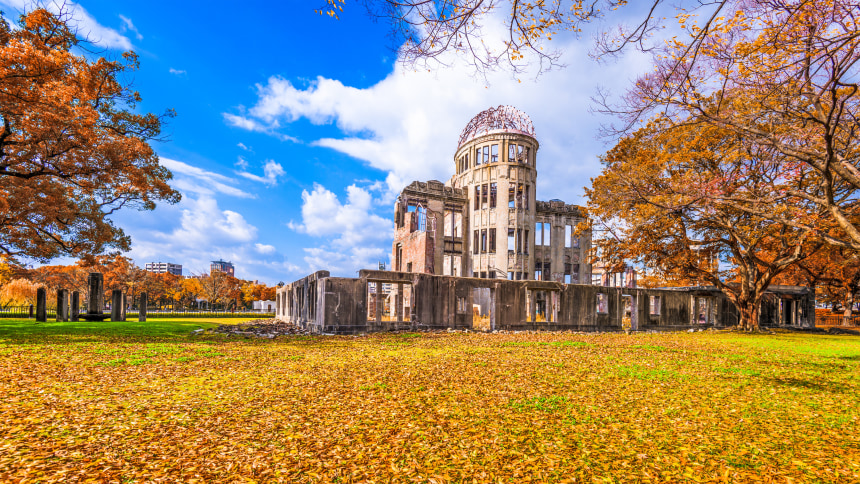
A visit to the Hiroshima Peace Memorial is a pilgrimage of remembrance rather than faith. The Peace Park and the Atomic Bomb Dome stand within a city whose modern identity remains closely connected to the events of 1945.
A specialist guide can provide historical context and help visitors approach memorial spaces thoughtfully. You can find specialist guides and experiences in Hiroshima focused on the Peace Park and its memorials at tourHQ.
The purpose is not simply to learn what happened. It is to understand how Hiroshima remembers.
Auschwitz-Birkenau
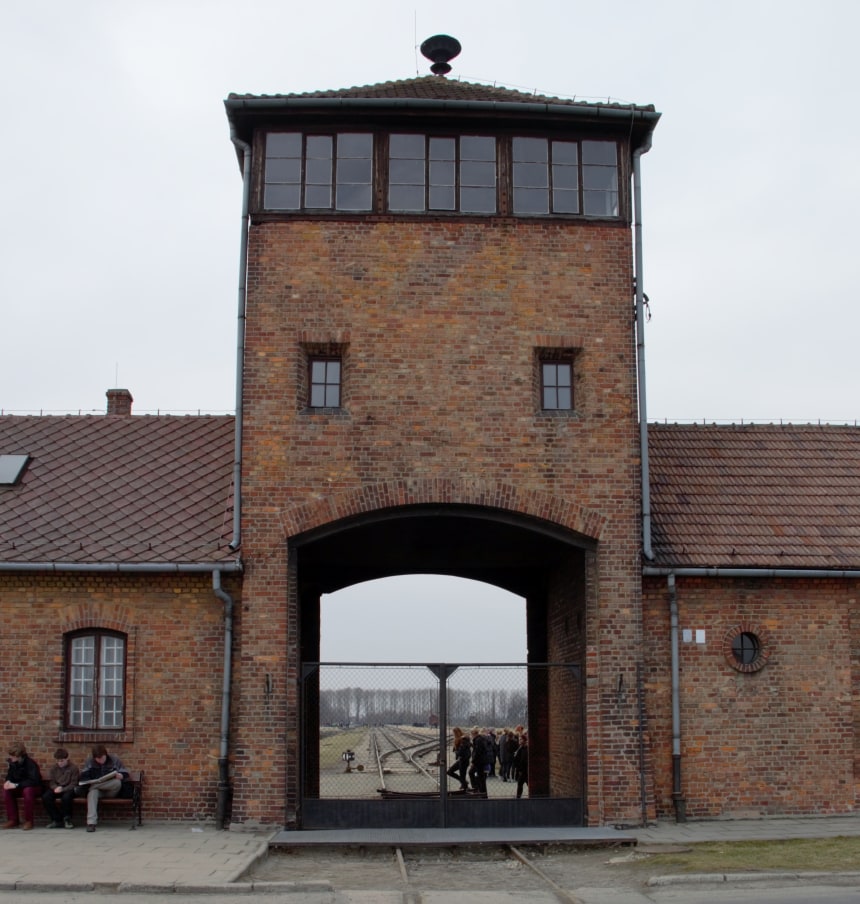
At Auschwitz-Birkenau, travel requires a different kind of attentiveness. This is a site of mass murder and remembrance, and the experience should never be approached as ordinary sightseeing.
The Auschwitz-Birkenau State Museum offers guided visits with educators, including longer study tours designed for deeper historical understanding. Groups are required to engage a guide educator.
tourHQ hosts multiple licensed guides based in Krakow who organise visits to Auschwitz-Birkenau.
Bodh Gaya
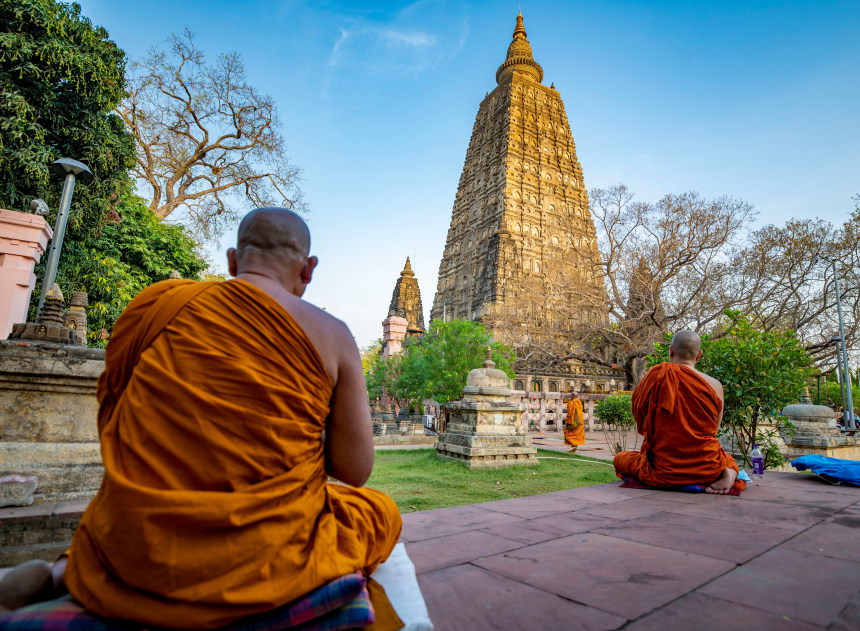
In Bodh Gaya, the focus is contemplation. The Mahabodhi Temple Complex marks the place traditionally associated with the Buddha's enlightenment and remains one of Buddhism's most important pilgrimage destinations. UNESCO recognises it as a World Heritage Site.
The complex includes the Mahabodhi Temple and the sacred Bodhi Tree, along with other sites associated with the Buddha's period of meditation.
A Buddhist pilgrimage guide can explain the symbolism, history and practices surrounding the site.
Lalibela
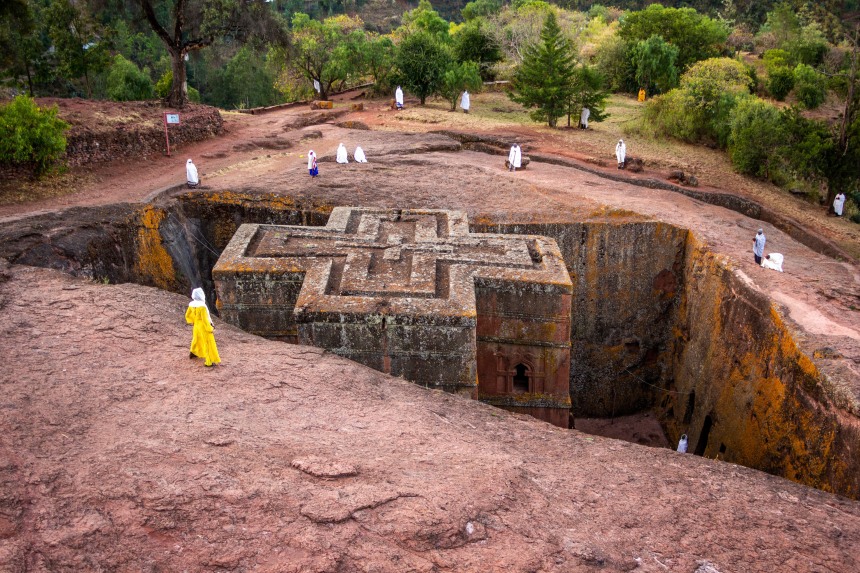
The extraordinary rock-hewn churches of Lalibela are both architectural wonders and living religious spaces. UNESCO describes the eleven medieval churches as a continuing centre of Ethiopian Christian pilgrimage and devotion.
The churches were carved directly from the rock and connected by trenches, passages, and courtyards. Their significance becomes much clearer when experienced with someone who understands their religious history and continuing use.
Find guided experiences in Lalibela that cover both the major church clusters and the region's Christian heritage on tourHQ.
What a specialist guide adds
Walking alone can be powerful. A guide does not need to fill every silence with information.
The value lies in knowing when explanation matters and when quiet is more appropriate.
A specialist guide can explain rituals without turning them into spectacles, translate unfamiliar customs, identify moments when photography is inappropriate and help you distinguish religious practice from tourist performance. In places such as Varanasi or Jerusalem, they can also provide historical context that is difficult to absorb from a guidebook alone.
For journeys involving difficult history, such as Hiroshima or Auschwitz, the right guide can help establish context without telling you what you are supposed to feel.
How to brief your tourHQ guide
Before booking, explain what you actually want from the journey.
Tell your guide whether your priority is religious devotion, history, personal reflection, architecture, meditation, photography or cultural understanding. If you want time for silence, say so. If you are travelling because of a personal loss or major life transition, you can share that only if you feel comfortable.
Also mention your preferred pace, mobility needs, languages, dietary requirements and whether you want to participate in rituals or simply observe.
A thoughtful brief allows the guide to shape the experience around your purpose rather than giving you a standard sightseeing itinerary.
The etiquette of pilgrimage
Sacred travel begins with humility.
Dress according to local expectations. Ask before photographing people or religious ceremonies. Follow instructions about where visitors may stand or walk. Do not interrupt worship for a better photograph. Avoid touching religious objects unless invited to do so.
Most importantly, remember that a sacred place is not a backdrop created for visitors.
A good guide helps you understand these boundaries before you accidentally cross them. That may be the most valuable part of the service.
Because ultimately, pilgrimage is not about collecting sacred places. It is about approaching them with enough attention to let them change the way you see the world.
Explore tourHQ guides and experiences to find local experts who can help you approach your pilgrimage with greater context, respect and intention.
FAQ
What is pilgrimage travel?
Pilgrimage travel is a journey undertaken for spiritual, religious, reflective, or commemorative purposes. Modern pilgrimage can include both traditional sacred journeys and secular journeys to places of historical significance.
Do I need to be religious to go on a pilgrimage?
No. Many modern pilgrims travel for reflection, personal growth, cultural understanding or remembrance rather than religious devotion.
Why hire a guide for a pilgrimage?
A specialist guide can explain religious and historical context, help with local etiquette, navigate practical challenges and ensure that sacred or sensitive places are approached respectfully.
Can I request a specific type of experience from a TourHQ guide?
Yes. When contacting a guide, explain whether you want religious context, cultural history, quiet reflection, meditation, rituals or a particular pace. This helps the guide create a more suitable experience.