


Zanzibar’s Cultural Identity: A Crossroads of Civilizations
Zanzibar’s culture is the result of centuries of exchange across the Indian Ocean. African roots blend seamlessly with Arab, Persian, Indian, and European influences, forming what we know today as Swahili culture.
Stone Town: The Cultural Heart of Zanzibar
Stone Town, a UNESCO World Heritage Site, is the best place to begin this journey. Its narrow alleys, coral-stone buildings, and intricately carved wooden doors reflect Zanzibar’s past as a major trading hub.
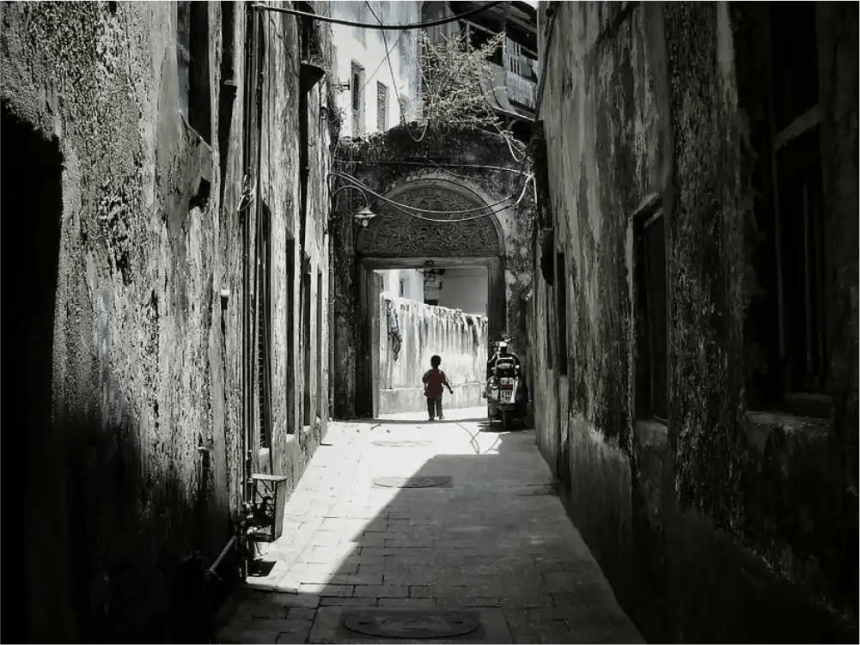
A guided walk through Stone Town introduces visitors to:
The legacy of the Indian Ocean trade
The influence of the Omani Sultanate
The history of the slave trade and abolition
Religious coexistence between Islam, Christianity, and traditional beliefs
Daily Swahili life, markets, and social customs
Stone Town is not a museum—it is a living city where history and modern life exist side by side.
Zanzibari Cuisine: Where Spices Tell the Story
Zanzibar’s nickname, “The Spice Island,” is well deserved. Spices shaped the island’s economy, culture, and global connections, and they continue to define its cuisine today.
Spice Farms & Culinary Heritage
A visit to a spice farm allows first-time travelers to see, touch, and smell:
Cloves
Cinnamon
Nutmeg
Cardamom
Vanilla
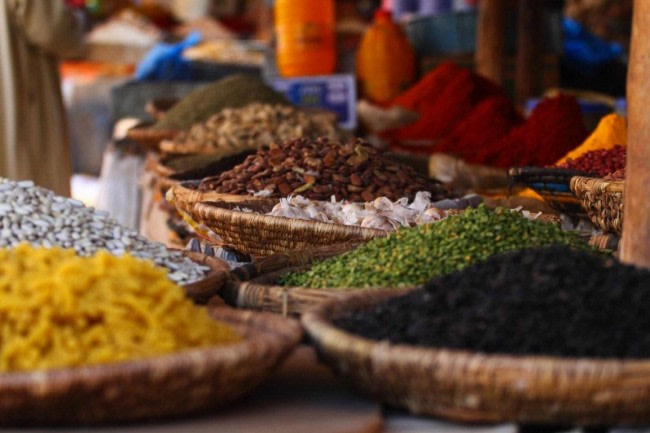
These spices are not just export products—they are central to daily cooking and traditional medicine.
What to Eat in Zanzibar
Zanzibari food is rich, aromatic, and deeply influenced by Indian Ocean cultures. Popular dishes include:
Pilau – spiced rice often served during celebrations
Biryani – layered rice with meat and spices
Urojo (Zanzibar Mix) – a famous street-food soup with a unique blend of flavors
Seafood curries made with coconut milk
At Forodhani Gardens Night Market, first-time visitors experience Zanzibar’s social life through food, where locals and travelers gather as the sun sets over the ocean.
Zanzibar’s Coastline: More Than Just Beaches
Zanzibar’s coastline stretches around the island, offering a variety of beach experiences—each with its own atmosphere.
Popular Coastal Areas
Nungwi & Kendwa (North Zanzibar): Ideal for swimming, sunsets, and social beach life
Paje & Jambiani (East Coast): Known for kite surfing, reef flats, and village culture
Matemwe & Michamvi: Quiet, scenic areas perfect for relaxation and nature
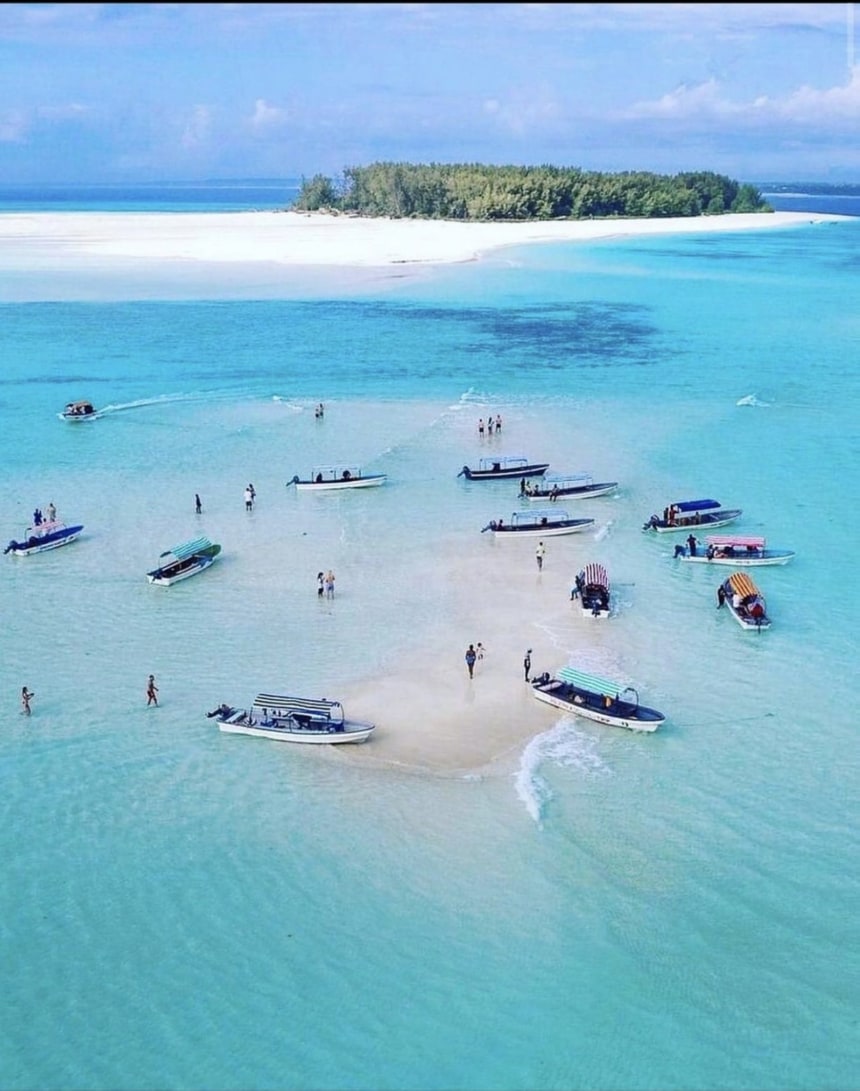
Ocean Experiences
Beyond the sand, the ocean plays a central role in Zanzibari life:
Traditional dhow sailing
Snorkeling and coral reef exploration
Fishing villages and seaweed farming
Marine conservation and dolphin awareness tours
The sea is not just a backdrop—it is part of Zanzibar’s identity.
Why First-Time Visitors Benefit from a Local Guide
Zanzibar’s history is layered and complex. Without context, many important stories can be missed. A local guide helps transform sightseeing into understanding.
A knowledgeable guide can:
Explain historical sites beyond surface-level facts
Connect cultural practices to daily life
Introduce respectful ways to engage with local communities
Customize experiences based on interests—history, food, culture, or leisure
For first-timers, guided experiences offer clarity, safety, and authenticity.
Planning Your First Zanzibar Visit
Best Time to Visit
June–October: Dry season, ideal for sightseeing and beaches
December–February: Warm and popular, especially for holidays
March–May: Long rains, fewer tourists, greener landscapes
Ideal Trip Length
2–3 days: Stone Town & nearby experiences
4–6 days: Culture + beach combination
7+ days: Full island exploration at a relaxed pace
Final Thoughts: Experiencing Zanzibar Beyond Expectations
For first-time visitors, Zanzibar is more than a destination—it is an experience shaped by stories, flavors, people, and landscapes. Those who take time to explore its culture, taste its cuisine, and understand its history leave with a deeper appreciation of the island and its people.
Zanzibar rewards curiosity.
And the best way to experience it is with insight, respect, and local knowledge.