

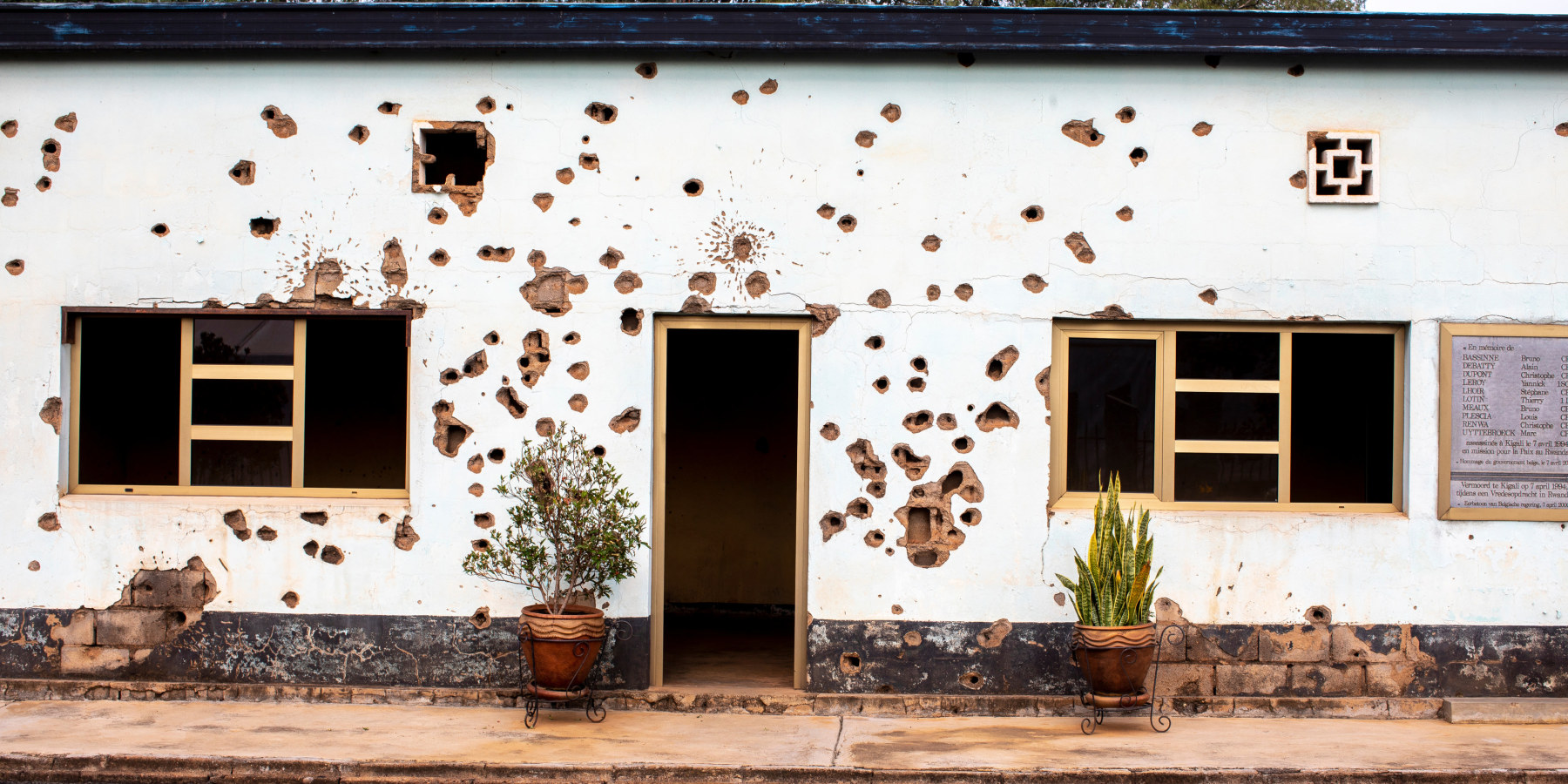
| 8 mins read
There are places where travel asks you to look more carefully. At a genocide memorial, a former prison, a battlefield, or a city scarred by catastrophe, ordinary sightseeing can suddenly feel inadequate. These places are often described as dark tourism, a term used in academic research for travel to sites associated with death, suffering, tragedy, or historical trauma.
It is not simply morbidity. At its best, dark tourism means confronting evidence, listening to difficult histories, and understanding how the past still shapes people and places. The Kigali Genocide Memorial describes itself as a place of remembrance and learning that promotes reconciliation through education.
Meaningful history travel begins with intention. You are not visiting to collect the most dramatic photograph. You are visiting to understand what happened, whose lives were affected, and how the site is remembered.
When remembrance becomes tourism
The ethical question is unavoidable: can a place of suffering also be a tourist destination?
It can, but the answer depends on behaviour and context. Memorials are public spaces with their own rules, communities, and meanings. Arrive prepared to listen rather than consume. Read site guidance before entering. Dress appropriately where required. Keep your voice low and give other visitors room, especially those who may have a personal connection to the history. Never turn a memorial into a backdrop for playful poses or social content built around shock.
Photography deserves particular care. At Auschwitz, private photography is generally permitted in public areas without flash or stands, with specific exceptions including the room containing victims’ hair and the basement of Block 11. Commercial filming requires approval. Rules elsewhere vary.
The simple test: ask whether the image, question, or joke would still feel acceptable if someone who lost a parent, child, friend, or community member there were standing beside you.
Why a guide can change the experience
A knowledgeable guide does more than point towards a building and recite dates. The best history tours explain relationships: why a prison was created, how propaganda prepared the ground for violence, which communities were targeted, and why the site is remembered today.
Difficult places are often visually misleading. A courtyard can look peaceful while carrying a history of torture. An empty street can hide a former border. A ruined building can be mistaken for an aesthetic object instead of evidence. A guide identifies what is no longer visible and explains what the site itself cannot tell you.
Seven places where history demands more than sightseeing
Kigali Genocide Memorial, Rwanda
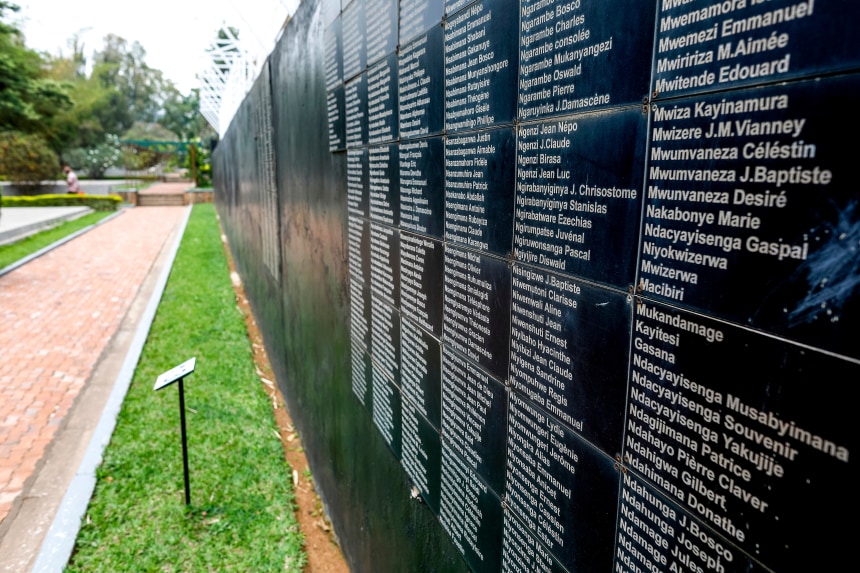
In Kigali, the memorial is the final resting place of about 250,000 victims of the Genocide against the Tutsi. The wider genocide killed more than one million people in roughly one hundred days in 1994.
The memorial is also a centre for peace education and reconciliation. Exploring it with a guide who understands Rwanda’s modern history can add important context, particularly around the country’s recovery and reconciliation since 1994. Kigali guides with local knowledge can help place the memorial within that wider story, rather than leaving visitors to interpret the exhibits in isolation.
Choeung Ek and Tuol Sleng, Cambodia
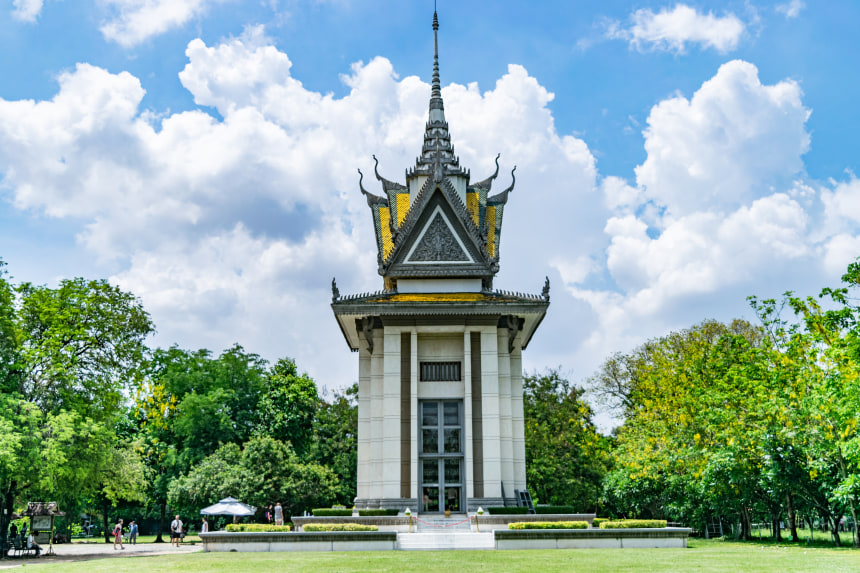
In Phnom Penh, the story of the Khmer Rouge becomes clearer when Choeung Ek is considered alongside Tuol Sleng, the former S21 prison. Cambodia’s Ministry of Tourism notes that Tuol Sleng operated as an interrogation and torture facility, while Choeung Ek became an execution ground between 1975 and 1979.
Seeing the prison first helps explain how victims were detained and interrogated before being taken to the killing fields. A knowledgeable Phnom Penh history guide can connect the two sites, explain the political context, and help visitors understand how the individual spaces fit into the larger history. That context is particularly valuable here because the landscape alone cannot convey the full sequence of events.
Berlin Wall and Stasi history, Germany
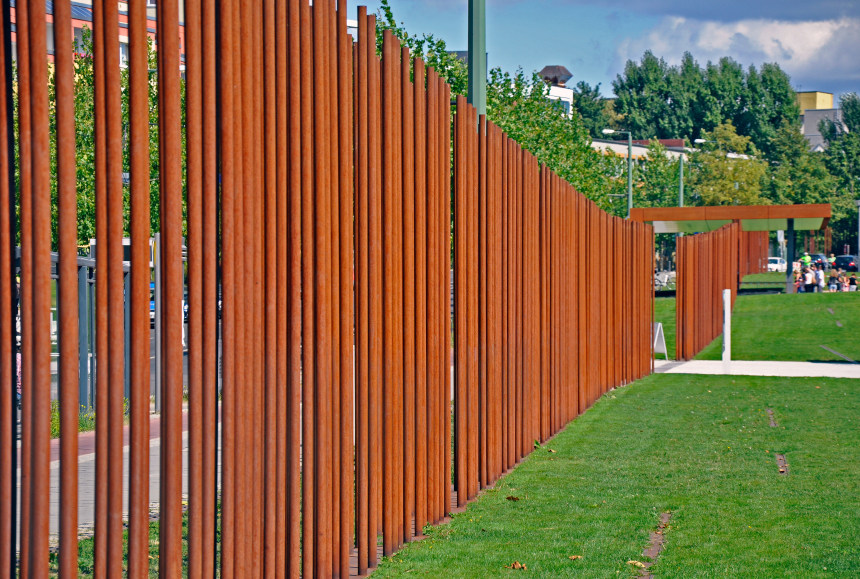
Berlin requires attention to what has disappeared. The Berlin Wall Memorial at Bernauer Strasse preserves parts of the former border landscape and an open-air exhibition in the former death strip. Berlin also preserves the former Stasi prison at Hohenschönhausen, where the physical spaces help visitors understand political repression in East Germany.
The most revealing visits connect these places rather than treating them as isolated landmarks. A Berlin history guide can trace the relationship between the Wall, surveillance, restricted movement, escape attempts, divided families, and everyday life in the German Democratic Republic, giving the surviving fragments a much broader meaning.
Robben Island, South Africa
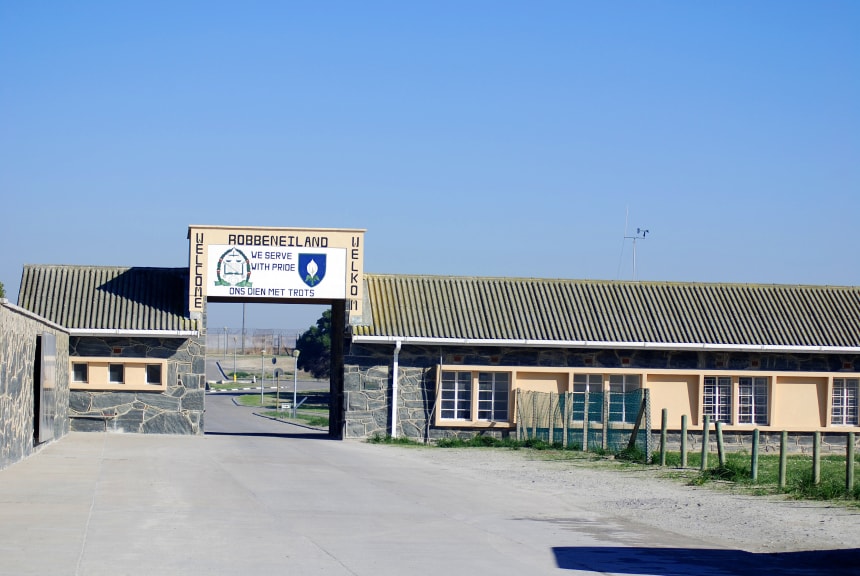
Off Cape Town, Robben Island is closely associated with apartheid and political imprisonment. The island experience includes its former prison and Nelson Mandela’s cell, with interpretation that brings the reality of political imprisonment into focus.
A wider Cape Town history tour can then place Robben Island within the much larger story of apartheid, forced removal, resistance, slavery, and segregation. That broader perspective can make visits to places such as the District Six Museum and the Slave Lodge considerably more meaningful, revealing how different chapters of the city’s history overlap.
Pompeii, Italy
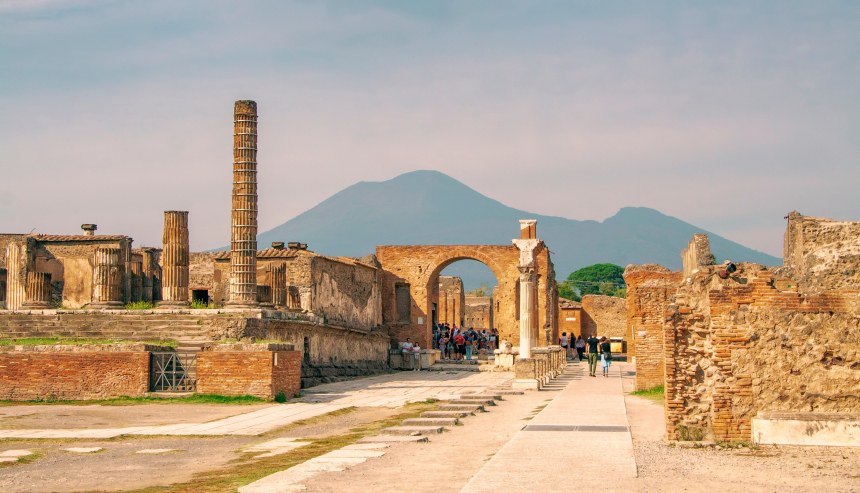
Pompeii sits slightly outside the usual definition of war and atrocity tourism, but it belongs in the conversation because it is a place of mass death preserved through archaeology. The eruption of Vesuvius in AD 79 buried the city, and excavations have revealed buildings, objects, streets, and the remains of victims. The Archaeological Park notes that more than one thousand victims have been found and that more than one hundred body casts were created using the technique developed by Giuseppe Fiorelli.
Here, archaeological expertise changes what you notice. A specialist Pompeii guide can explain how domestic spaces, streets, inscriptions, architecture, and the casts reveal both ordinary Roman life and the sudden catastrophe that interrupted it. The result is a visit centred on evidence rather than spectacle.
Auschwitz, Poland
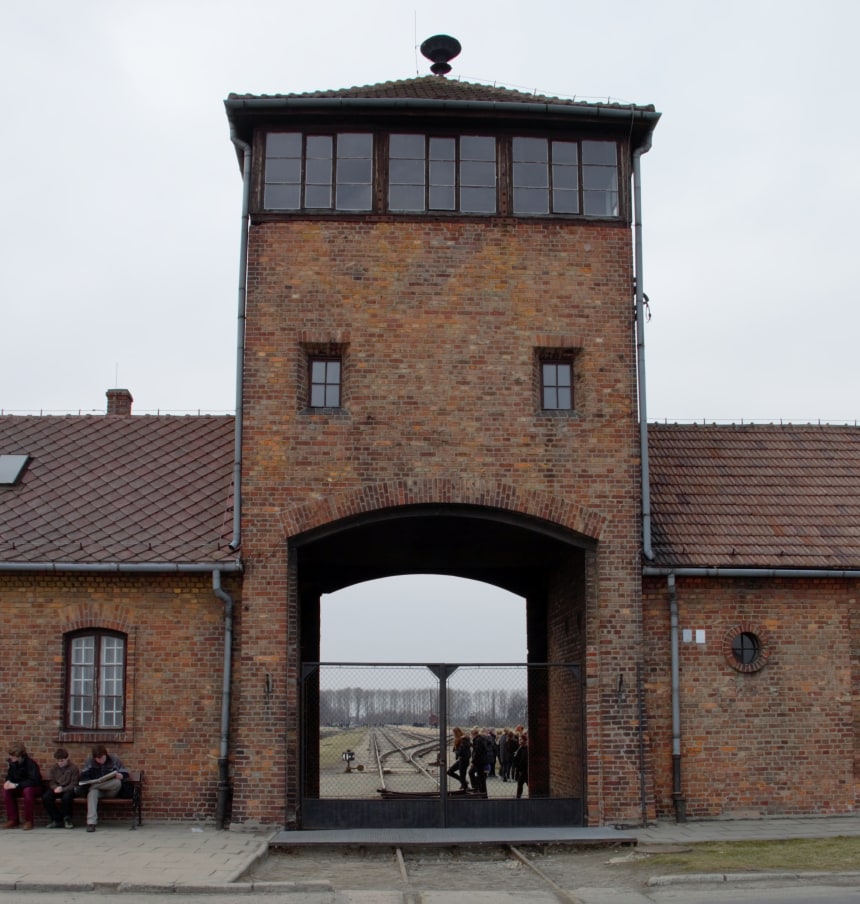
From Krakow, a visit to Auschwitz-Birkenau demands time and emotional preparation. The museum estimates that about 1.1 million people were killed there, the majority Jews, during the camp’s existence from 1940 to 1945.
This is not a place to rush. The standard guided visit takes about three and a half hours, and the museum has rules covering bags, photography, and filming. A Krakow guide experienced with Auschwitz visits can also help frame the journey before and after the museum, so the experience is not reduced to a single difficult afternoon but understood within the wider history of occupied Poland and the Holocaust.
Hiroshima, Japan
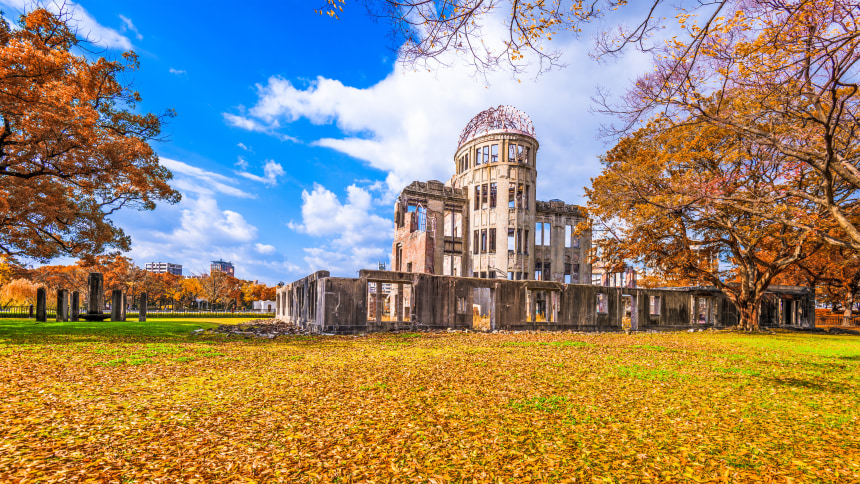
In Hiroshima, remembrance sits within a living city. The Peace Memorial Park and A Bomb Dome mark the 1945 atomic bombing, yet the city today is not preserved as a museum piece. A thoughtful visit balances the destruction of the past with the ordinary life that followed.
That balance is one reason local interpretation matters. A Hiroshima guide with personal knowledge of the city can explain the history behind the memorials while placing them within the modern city and its culture of remembrance. The result is a more nuanced understanding of Hiroshima, one that recognises both the scale of destruction and the city’s life after it.
Preparing yourself for a difficult visit
Emotional preparation is practical preparation. Read a little before you arrive, then decide what you need from the visit. Some travellers want a broad historical framework. Others want survivor testimony, political history, archaeology, or an account of how a disaster unfolded.
Build space around the visit. Do not schedule Auschwitz between a rushed breakfast and an evening concert. Give yourself time afterwards to walk, eat, sit quietly, or talk about what you saw.
And remember that darkness is not the whole story. Kigali is a city of renewal. Berlin is a functioning capital whose divided past remains visible. Hiroshima is a modern city built around peace. Phnom Penh is more than the Khmer Rouge period. Pompeii records everyday life as much as death.
The best history tours leave you with more than facts. They leave you with better questions and a stronger understanding of why places remember.
That is the real promise of responsible dark tourism: not the thrill of looking at tragedy, but the discipline of looking closely, listening carefully, and refusing to let difficult history become invisible.
FAQ
What is dark tourism?
Dark tourism is travel to places associated with death, suffering, tragedy, disaster, or difficult historical events. The term is widely used in tourism research and covers memorials, former prisons, genocide sites, disaster areas, and other places of historical trauma.
Is dark tourism disrespectful?
It can be so, particularly when visitors treat sites of suffering as entertainment or as photographic backdrops. Respectful dark tourism prioritises learning, follows site rules, gives space to others, and recognises the people connected to the history.
Why hire a guide for a history tour?
A good guide provides context that may not be visible at the site itself. This can include political background, local perspectives, changes to the landscape, survivor histories, and explanations of why a memorial has been designed or preserved in a particular way.
Can I take photographs at memorial sites?
Sometimes. Rules vary considerably. Auschwitz allows private photography in most public areas but restricts photography in certain spaces and requires permission for commercial filming. Always check the rules of the individual institution before taking photographs.