

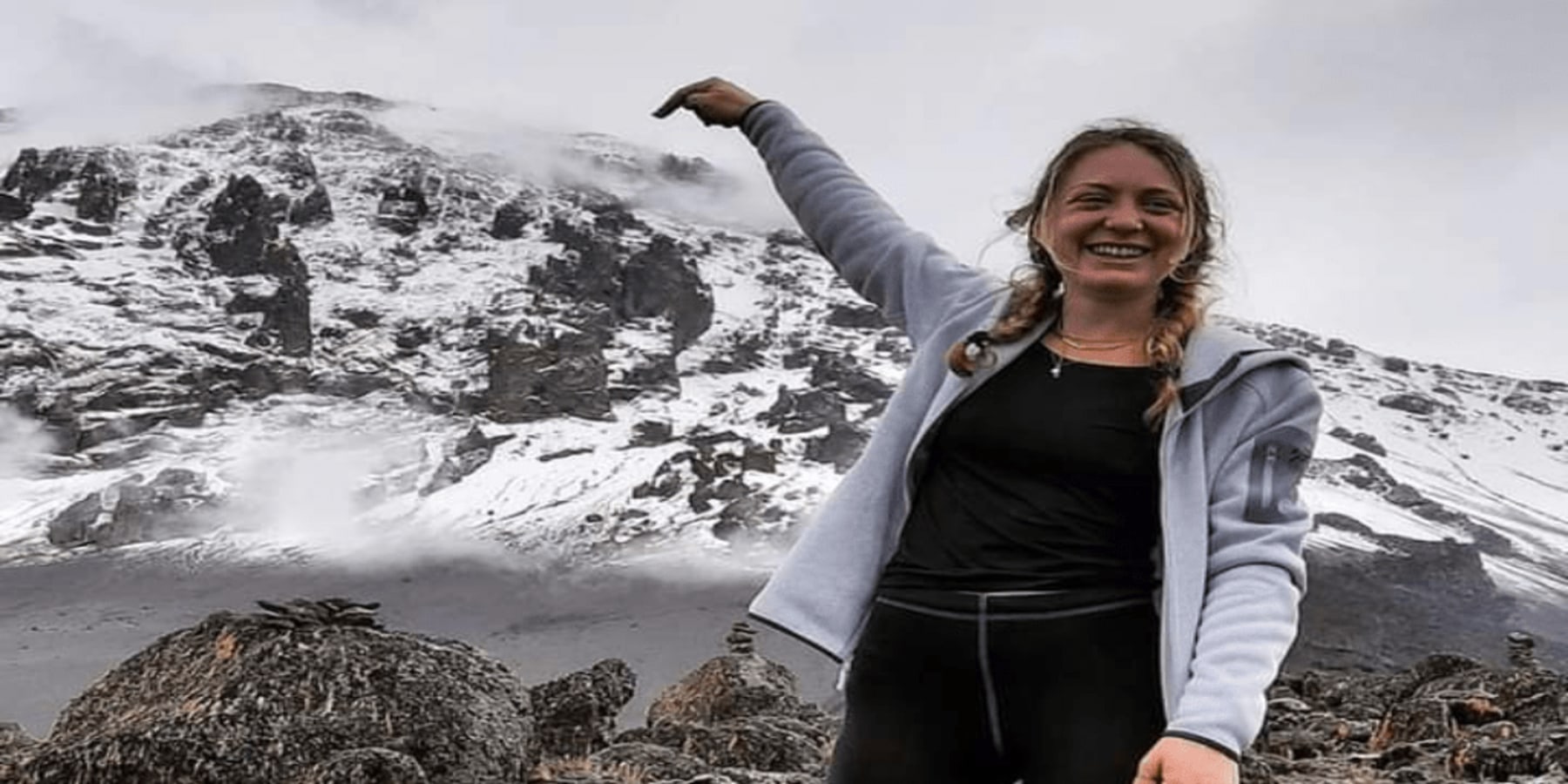

10 Things to Know Before Climbing Kilimanjaro
Mount Kilimanjaro is one of Africa’s most iconic adventures and the highest mountain in Africa. Reaching Uhuru Peak is a memorable achievement, but good preparation is essential. Here are 10 important things every traveler should know before starting their Kilimanjaro adventure.
1. Choose the Right Route
Kilimanjaro has several routes, including Machame, Lemosho, Marangu and Northern Circuit. Each route offers a different experience, scenery, duration and level of acclimatization.
For many trekkers, routes with more days on the mountain can provide better opportunities to adjust to the altitude.
2. Fitness Helps
You do not need to be an elite athlete to climb Kilimanjaro, but you should prepare your body. Regular walking, hiking, stair climbing and cardio exercises can improve your endurance before the trek.
Mental preparation is equally important, especially during the longer summit day.
3. Acclimatization Is Important
Altitude is one of the biggest challenges on Kilimanjaro. Your body needs time to adapt to the decreasing oxygen levels as you climb higher.
Choosing an itinerary with adequate acclimatization time can make the experience more comfortable and may improve your chances of reaching the summit.
4. Prepare for Different Weather
Kilimanjaro has several climate zones. You may begin your trek in warm conditions and eventually experience freezing temperatures near the summit.
Pack layers that allow you to adjust to changing temperatures, as well as waterproof clothing and warm gear for the summit.
5. Good Hiking Boots Matter
Comfortable, well-fitting hiking boots are essential. Break them in before your trip to reduce the risk of blisters and discomfort.
Also bring suitable socks and footwear for relaxing around camp.
6. Listen to Your Guide
Experienced mountain guides are an important part of a successful Kilimanjaro climb. They monitor the group, provide guidance and help trekkers understand how to manage the altitude and changing conditions.
If you feel unwell, tell your guide immediately. Never hide symptoms in an attempt to continue climbing.
7. Pack Smart
You don't need to carry everything yourself. Your operator can explain what should go into your daypack and what can be carried by the support team.
Important items include water bottles, a headlamp, sunscreen, sunglasses, personal medication, warm layers, rain protection and basic toiletries.
8. Stay Hydrated and Eat Well
Walking for several hours each day requires energy. Drink regularly and eat the meals provided by your trekking team.
Your appetite may change at altitude, but maintaining your energy and fluid intake is important throughout the trek.
9. Be Prepared for Summit Night
The final ascent to Uhuru Peak is usually the most demanding part of the trek. Trekkers typically begin during the night and climb toward the summit in cold and challenging conditions.
The pace is intentionally slow, and patience is important. Reaching the summit is a personal achievement, so focus on your own pace rather than competing with other trekkers.
10. Choose a Reliable Local Tour Operator
Your tour operator plays an important role in your overall experience. Before booking, check that the company is properly licensed, uses experienced guides and provides clear information about inclusions, safety procedures, accommodation and support staff.